
Part 1: Dream Presentation
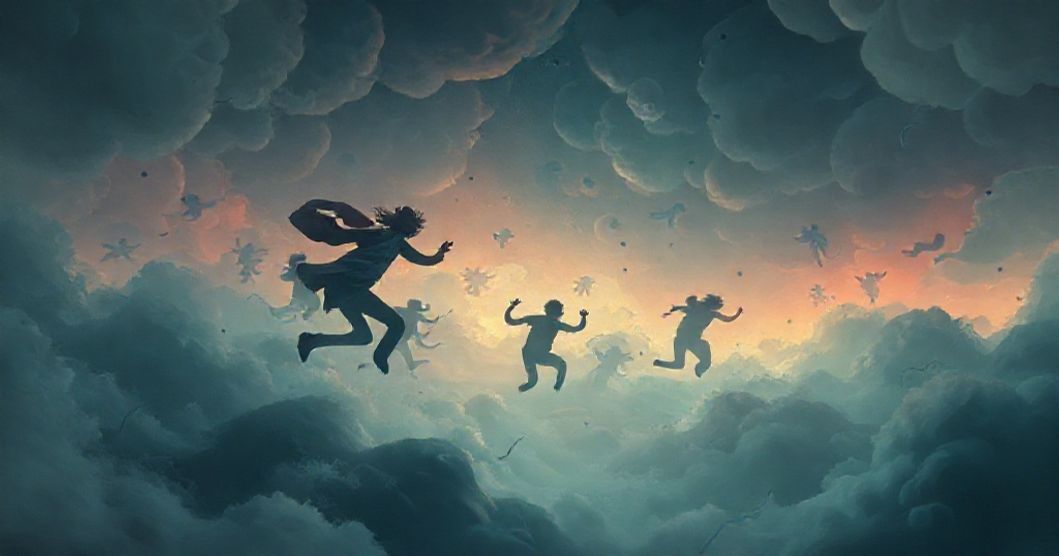
Dreams often serve as psychological mirrors, reflecting our deepest anxieties and unprocessed emotions through surreal imagery and symbolic scenarios. This particular dream narrative reveals a recurring nightmare pattern centered on uncontrollable movement and its devastating consequences. The dreamer experiences an inability to walk normally, replaced by erratic bouncing that disrupts both physical and social spaces. This pattern escalates into a car accident scenario involving a childhood friend, culminating in a traumatic image that disrupts sleep and emotional equilibrium.
The dream begins with the dreamer's familiar struggle: the unnatural, bouncy gait that replaces walking. This isn't merely a physical oddity but a powerful symbol of psychological constraint. As the dream progresses, the setting shifts to a convertible car—a space of freedom and nostalgia—where the dreamer's usual nightmare behavior (bouncing) collides with reality, resulting in a violent, unexpected outcome. The childhood friend, a significant emotional figure from the past, becomes the victim of this symbolic accident, introducing themes of lost connection and unresolved relationships.
The aftermath—waking in a state of panic, unable to sleep, haunted by the image of the friend's injury—highlights the emotional weight of these dream experiences. The recurring nature of the nightmare suggests an unprocessed emotional issue that demands attention.
Want a More Personalized Interpretation?
Get your own AI-powered dream analysis tailored specifically to your dream
🔮Try Dream Analysis FreePart 2: Clinical Analysis
Symbolic Landscape: The Bounce as Psychological Metaphor
The bouncing gait in dreams represents a fundamental psychological conflict: the tension between the desire for control and the reality of being overwhelmed by internal forces. In Freudian terms, this could symbolize repressed impulses seeking expression, while Jungian analysis might view it as a manifestation of the shadow self—those aspects of personality we struggle to integrate. The inability to walk normally suggests a disruption in the dreamer's sense of agency and stability.
The convertible car introduces contradictory symbols: freedom (convertible top down, open road) and vulnerability (exposed to danger). The vehicle itself represents the dreamer's life journey and the choices they make. The childhood friend adds another layer: this person likely represents a part of the dreamer's identity or a relationship from the past that feels both familiar and distant.
The head injury imagery is particularly significant. In dream symbolism, head injuries often represent threats to identity, consciousness, or emotional clarity. The friend's injury could symbolize the dreamer's fear of causing harm to important relationships or losing a sense of self through emotional overwhelm.
Psychological Undercurrents: Unconscious Processes at Work
Freud might interpret the bouncing gait as a manifestation of repressed sexual energy or aggressive impulses, channeled through this bizarre physical expression. The dream's chaos—objects shattering, people recoiling—could represent the dreamer's internal conflict between expressing these impulses and the fear of societal judgment.
Jungian psychology would likely view the dream as reflecting the dreamer's relationship with their shadow self. The inability to walk normally might symbolize a disconnection from the 'walking' path of conscious life, while the convertible represents the ego's attempt to navigate life with freedom. The childhood friend could embody the 'anima' or 'animus' archetype—the feminine or masculine aspects of the self that need integration.
Neuroscientific perspectives suggest that dreams process emotional memories and consolidate neural pathways. The recurring nature of the nightmare might indicate an emotional memory that hasn't been fully processed, requiring the dream to revisit it until resolution occurs. The intensity of the head injury imagery could represent a trauma that's been compartmentalized but not resolved.
Emotional and Life Context: Unpacking the Layers of Distress
The dream's emotional core centers on feelings of powerlessness and responsibility. The childhood friend, a figure from the past, might represent a relationship that ended or changed, leaving unresolved feelings of guilt or loss. The convertible, a symbol of freedom and possibility, becomes a space where the dreamer's usual patterns of emotional control fail, leading to catastrophic consequences.
The dreamer's waking life likely contains stressors related to control and relationships. The inability to walk normally could mirror real-life situations where the dreamer feels out of control—perhaps in work, relationships, or personal goals. The chaos in the dream (objects breaking, people reacting) might reflect the dreamer's perception of their actions as disruptive to their environment.
The head injury imagery suggests a fear of causing harm or being responsible for negative outcomes. This could relate to past mistakes or current anxieties about making decisions that affect others. The inability to sleep after the dream indicates that the emotional impact has crossed into waking life, creating a cycle of anxiety and hypervigilance.
Therapeutic Insights: Moving Beyond the Nightmare
The dream offers an opportunity for self-reflection and growth. First, the dreamer should explore the recurring pattern of uncontrollable movement. Journaling about when these dreams occur and what emotions preceded them might reveal triggers in waking life.
Therapeutic approaches like dream incubation—setting an intention before sleep to process specific issues—could help transform the nightmare into a more manageable narrative. Through lucid dreaming techniques, the dreamer might learn to recognize the dream state and regain some control, altering the outcome of the dream.
For deeper work, exploring the relationship with the childhood friend symbolically can reveal unresolved feelings. This might involve examining how the dreamer views themselves in relationships and whether they're carrying guilt or fear of disappointing others.
Practical reflection exercises include mindfulness practices to build body awareness and reduce anxiety before sleep. By developing a sense of groundedness in waking life, the dreamer might reduce the feeling of being 'bounced' by internal forces.
FAQ Section
Q: Why do I keep having this specific bouncing nightmare?
A: Recurring dreams often address unresolved emotions. This pattern suggests an unprocessed issue related to control, relationships, or past events that demand attention.
Q: What does the convertible car symbolize in this dream?
A: The convertible represents freedom and possibility, while the accident symbolizes how our attempts to control or express ourselves can lead to unintended consequences.
Q: How can I stop this nightmare from waking me up?
A: Try journaling about emotions before sleep, practicing body relaxation techniques, and using lucid dreaming skills to alter the dream's outcome once recognized.