
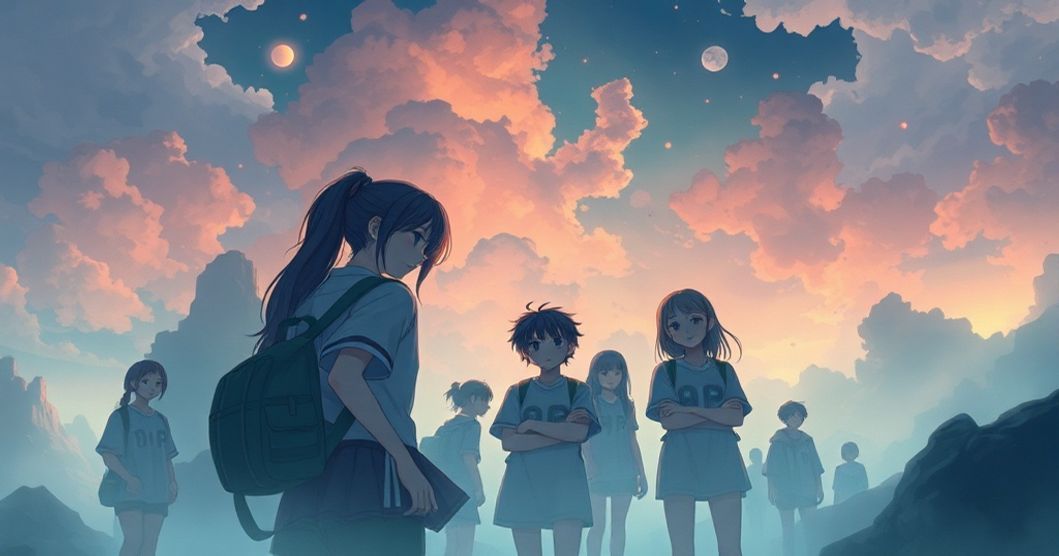
Part 1: Dream Presentation
Dreams often serve as mirrors, reflecting our subconscious preoccupations while distorting reality into symbolic narratives that feel both familiar and alien. In this particular dream, the boundaries between digital media, childhood connections, and fantastical storytelling dissolve into a single, bewildering tapestry. Here is the dream as it unfolded: I found myself immersed in the endless scroll of YouTube, a modern ritual of digital exploration, when a Japanese channel’s thumbnail commanded my attention. The image on screen was of me—not my everyday self, but an athlete in full gear, captured mid-action on what appeared to be a sports field. The surreal nature of this thumbnail immediately triggered curiosity, as if my subconscious had conjured a version of myself I’d never seen in waking life.
Clicking the video, I was met with a strange mix of clarity and disorientation. The interface felt both familiar (the glow of YouTube’s player, the crispness of the text) and foreign (the unexpected content). Scrolling through comments, I encountered a message from an old classmate, her words bridging English and Japanese—a linguistic and temporal bridge that felt uncanny, as if we’d somehow transcended the six years since we’d last spoken. Her message referenced a conversation we’d shared long ago, though I struggled to recall its specifics, much like how memories sometimes surface in dreams without context.
The true surreal twist came when she revealed her father’s origin story: he’d been “transported from a fantasy world” into our reality. This revelation cascaded into the dream’s core narrative: I, in this alternate universe, was the “founding father” of a clan in an anime called “Eugeka,” with two or three partners, and the classmate’s father was somehow my blood relative. The dreamer’s confusion crystallized here: I was still a viewer, observing this alternate life rather than participating in it, a crucial distinction that underscored the dream’s tension between reality and fantasy.
Want a More Personalized Interpretation?
Get your own AI-powered dream analysis tailored specifically to your dream
🔮Try Dream Analysis FreePart 2: Clinical Analysis
Symbolic Elements in the Dreamscape
To unpack this dream, we must examine its symbolic components as psychological signposts rather than literal events. The YouTube platform functions as a modern symbol of self-expression and digital identity—our lives increasingly curated and shared online. The athlete thumbnail represents the dreamer’s latent self-image: perhaps unfulfilled potential, a desire to be recognized for achievement, or a projection of how they might be perceived by others. The Japanese channel introduces cultural or personal connections to Japan—either literal interests in anime/culture or repressed aspects of identity tied to Japanese heritage or experiences.
The old classmate serves as a bridge to the past, a figure from childhood or adolescence whose presence in the dream suggests unresolved memories or unprocessed emotions. The six-year gap in the message (a specific time frame) indicates a period of significant life change or transition, when the dreamer’s identity was still forming. The bilingual message (English and Japanese) symbolizes the blending of cultural or linguistic selves, reflecting how modern life merges different aspects of identity.
The fantasy world transport is a classic dream motif, representing escape from mundane reality or a desire to explore alternate versions of oneself. The “Eugeka” clan—an anime-inspired construct—functions as a collective unconscious archetype, drawing from cultural myths of lineage, legacy, and heroic founding figures. The “2 or 3 partners” element speaks to themes of intimacy, choice, and identity in relationships, possibly reflecting current relationship status or unmet emotional needs.
Psychological Framing: Jungian and Freudian Perspectives
From a Jungian lens, the dream reflects the collective unconscious, where archetypes like the “founding father” (a hero/leader figure) and “fantasy realm” (the numinous, unknown territory) emerge. The synchronicity of the old classmate appearing with this fantastical narrative suggests the dreamer’s mind is integrating disparate elements of self: past relationships, cultural interests, and current identity concerns. The “blood relative” connection might represent the dreamer’s search for deeper meaning or legacy, even in mundane life.
Freud would likely interpret the dream as wish fulfillment, where the dreamer’s desire for recognition (evidenced by the athlete thumbnail and clan leadership) manifests symbolically. The fantasy world could represent repressed sexual or relational desires, while the classmate’s father as a blood relative might reflect unconscious fears of family secrets or unacknowledged connections to others.
Cognitive dream theory adds another layer: the dream processes memories and information in a non-linear way, merging YouTube’s algorithmic self-recommendation with real-life classmate interactions and cultural consumption (anime). The “viewer” perspective at the end suggests the dreamer is still an observer of their own life narrative, not fully embodying the role of protagonist—a common dream state reflecting self-doubt or detachment.
Emotional and Life Context: Waking Connections to the Dream
The dream likely emerges from the dreamer’s current life context, possibly involving transitions in identity, relationships, or career. The “Eugeka” clan’s founding father role hints at a search for purpose or legacy, while the “2 or 3 partners” suggests exploration of intimacy in waking life. The six-year timeframe (when the classmate’s message was sent) aligns with a period of significant life change, perhaps when the dreamer was reevaluating friendships or relationships.
The confusion at the dream’s end (“I am still there as a viewer”) reflects a tension between embracing new identities and maintaining the status quo. The dreamer may feel stuck in their current reality, watching others live out more exciting narratives, while simultaneously craving the recognition and legacy represented by the fantasy clan. This could signal a desire to step out of passivity into active self-creation.
Therapeutic Insights: Navigating Dream Connections
For the dreamer, this dream invites reflection on identity integration: what aspects of self do they project into fantasy, and what truths might they uncover by examining these projections? Journaling exercises could help explore the specific emotions tied to the classmate, the athlete self-image, and the clan legacy. Asking: “What do I wish to be recognized for in my waking life?” or “What legacy do I want to leave, even in small ways?” can bridge the fantasy and reality.
The “viewer” perspective suggests the dreamer might benefit from active engagement with their life narrative rather than passive observation. This could involve setting small goals to step into new roles (even metaphorical ones) rather than remaining a spectator. Exploring anime or cultural interests more deeply might reveal unconscious motivations tied to the “Eugeka” clan’s themes of community and leadership.
FAQ Section
Q: Why did the dreamer feel confused about being a “viewer” rather than part of the fantasy world?
A: This confusion reflects the tension between embracing change and maintaining current identity. The dreamer likely values their real-life perspective, even as they crave new experiences, highlighting a need to balance reality and fantasy without losing self.
Q: How does the “blood relative” connection in the dream relate to waking relationships?
A: It may symbolize unacknowledged bonds or shared history with others, suggesting the dreamer should revisit past relationships with curiosity about hidden connections or mutual growth.
Q: What if the dreamer has no interest in anime or Japanese culture?
A: The “Eugeka” clan still functions as a metaphor for legacy and identity. The dream’s core is about self-discovery, not literal anime interest. Exploring what “clan” or “legacy” means in their life—even in small forms—can reveal deeper truths.