
Part 1: Dream Presentation
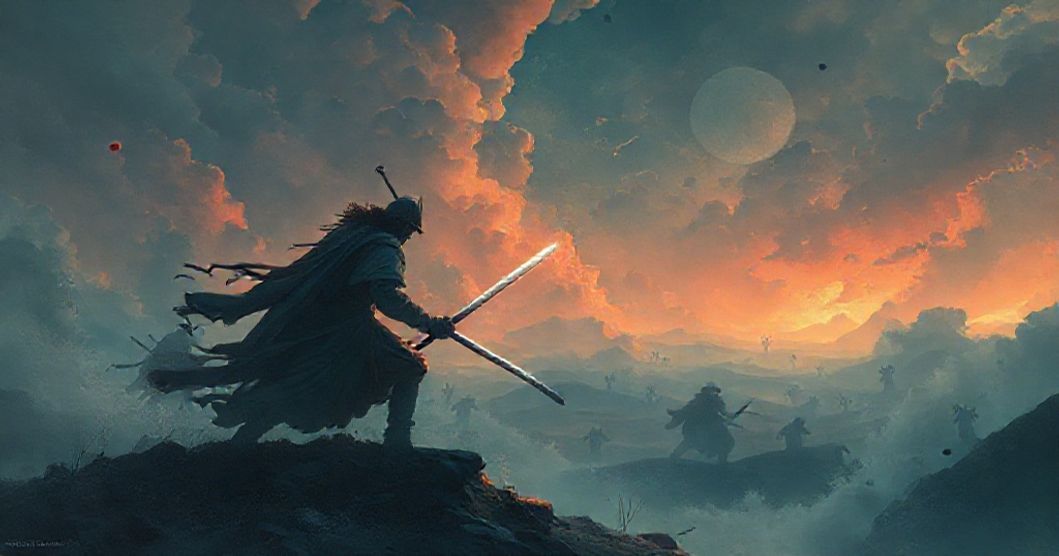
Dreams often serve as psychological barometers, reflecting our deepest conflicts and unmet needs through symbolic imagery. For this 30-year-old man, a recurring dream has become a vivid landscape where he assumes the role of a warrior defending a fragile world from unseen demonic forces—yet the battles leave him marked by physical pain that echoes his waking life challenges. The dream unfolds with striking consistency: he is called to duty unexpectedly, thrust into combat against shadowy creatures, and experiences brutal, life-threatening struggles where his back becomes the primary site of injury. After these harrowing encounters, he wakes to find his heart racing and his mind haunted by the visceral pain that persists even in his waking state, blurring the boundaries between reality and the dream realm.
The dream narrative reveals several key elements: a recurring call to serve as a protector, demonic entities as symbolic threats, a world in need of defense, recurring near-death experiences, and a specific focus on back pain during battle. This combination of themes suggests a deeper psychological narrative that connects to the dreamer’s waking life experiences with chronic pain from multiple back surgeries and the trauma associated with these medical interventions.
Part 2: Clinical Analysis
Want a More Personalized Interpretation?
Get your own AI-powered dream analysis tailored specifically to your dream
🔮Try Dream Analysis FreeThe Symbolic Landscape of the Dream
The warrior archetype appears as a fundamental symbol in this dream, representing the dreamer’s inner drive for purpose and protection. In Jungian psychology, the warrior archetype embodies the active, assertive aspects of the psyche—qualities that may be emerging in response to feelings of powerlessness or vulnerability. The demons, meanwhile, likely represent repressed fears, anxieties, or unresolved conflicts that the dreamer perceives as threatening his sense of safety. These shadowy figures are not literal monsters but symbolic manifestations of psychological barriers or emotional wounds that need confronting.
The recurring battle pattern and near-death experiences suggest a deep-seated need to prove resilience in the face of overwhelming odds. The dream’s emphasis on the back as the site of injury is particularly significant. The back, in dream symbolism, often represents vulnerability, support systems, and the physical foundation of identity. The dreamer’s history of back surgeries and chronic pain creates a powerful association between this physical vulnerability and the emotional vulnerability he may feel in his waking life. The back pain during battle thus becomes a literalization of the emotional weight he carries from his medical trauma.
The recurring nature of the dream, with its shifting battlefields and sometimes continuing narratives, indicates an uncompleted psychological process. Dreams that repeat often signal unresolved issues that the unconscious mind is persistently trying to resolve. The dream’s structure—beginning with a call to duty, progressing through combat, and ending with near-death experiences—mirrors a classic hero’s journey where the dreamer must confront and overcome internal obstacles.
Psychological Perspectives on the Dream
From a Jungian perspective, this dream reflects the activation of the 'shadow' archetype—the collective unconscious’ representation of repressed aspects of the self. The demons could symbolize the dreamer’s shadow aspects that he has not yet integrated, while the warrior represents his conscious effort to face these inner challenges. The recurring back pain serves as a bridge between the physical and psychological, illustrating how somatic symptoms can manifest as symbolic conflicts in dreams.
Freudian analysis might interpret the dream as a manifestation of repressed sexual or aggressive energy, channeled through the protective warrior role. The dream’s focus on 'protecting the world' could represent sublimated desires to protect loved ones or create meaning in the face of personal loss or trauma. The near-death experiences might symbolize fears of mortality or the anxiety of failing to fulfill one’s responsibilities.
Contemporary cognitive psychology views dreams as problem-solving mechanisms, where the mind processes emotional conflicts during sleep. The recurring battle scenario could be the dreamer’s mind attempting to work through the trauma of his back surgeries and the ongoing pain. The dream’s structure—battling, nearly dying, and sometimes continuing the narrative—might represent the mind’s attempt to find closure or resolution to a conflict that remains unresolved in waking life.
Emotional and Life Contextualization
The dreamer’s history of four back surgeries and chronic pain creates a significant emotional backdrop for this recurring imagery. His physical vulnerability and the trauma associated with repeated medical interventions likely contribute to feelings of powerlessness and fear of losing control over his body. The dream’s emphasis on back pain during battle thus becomes a literalization of this vulnerability, with the warrior role emerging as a compensatory response to these feelings of helplessness.
The recurring nature of the dream suggests that the emotional themes it addresses—protection, vulnerability, and the need to overcome obstacles—remain unresolved in the dreamer’s waking life. The dreamer may be struggling with feelings of inadequacy or uncertainty about his ability to protect himself and others, manifesting in the symbolic form of a warrior who must continuously fight for survival.
The 'world needing protection' theme could reflect the dreamer’s desire to create meaning or purpose in his life, particularly in the face of physical limitations. The call to serve as a warrior represents his inner drive to find significance despite his physical challenges, while the demons symbolize the various stressors and uncertainties that he perceives as threatening his sense of purpose.
Therapeutic Insights and Integration
This recurring dream offers valuable opportunities for self-reflection and growth. The first step toward integration is recognizing the dream as a psychological message rather than a literal prediction. By identifying the warrior archetype as a symbol of inner strength, the dreamer can begin to channel this energy toward positive change in his waking life.
Mindfulness practices could help bridge the gap between dream and reality, allowing the dreamer to recognize the pain in his body as both a physical sensation and a symbolic message. Journaling about the dream, particularly focusing on the emotions experienced during the battles and the specific sensations in his back, can help him process the underlying trauma associated with his surgeries.
Cognitive reframing exercises might transform the 'defensive' warrior role into one of empowerment. By recognizing the dream’s themes of protection and resilience, the dreamer can develop strategies to assert control over his body and life circumstances. This might involve working with physical therapists to address his chronic pain, thereby reducing the symbolic weight of back pain in his dreams.
FAQ Section
Q: Why do I keep having this recurring dream of battle and near-death experiences?
A: Recurring dreams often reflect unresolved emotional conflicts or trauma. Your dream’s repetition suggests your mind is processing feelings of vulnerability and the need to protect yourself, even in symbolic form. The near-death experiences may represent fears of losing control over your body or life circumstances in the face of chronic pain.
Q: How does my chronic back pain connect to the pain I feel in my dream battles?
A: The recurring back pain in your dream likely symbolizes your physical trauma and vulnerability. Your back surgeries and ongoing pain may have created a subconscious association between physical injury and emotional vulnerability, manifesting in the dream as the site of both physical and psychological conflict during battle.
Q: Can I change the outcome of my recurring dream through awareness or practice?
A: Yes, lucid dreaming techniques and mindfulness practices may help shift the dream’s narrative. By recognizing the dream state, you might gradually transform the 'defensive' warrior role into one of empowerment, allowing you to reframe the battle as a metaphor for overcoming rather than merely surviving pain.