
Part 1: Dream Presentation
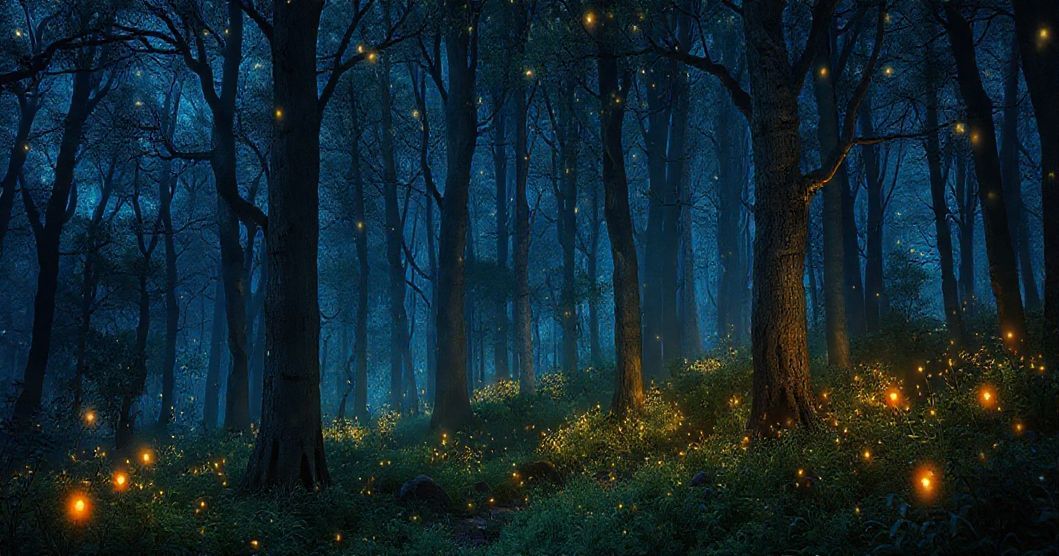
Dreams often serve as mirrors reflecting our unconscious conflicts, and this vivid narrative offers a compelling glimpse into the dreamer’s inner landscape. The dream unfolds in a sun-dappled forest where the natural world collides with human competition, weaving together themes of honor, scarcity, and moral choice. The dream begins with the dreamer and their wife in a wooded area, catching a small deer with bare hands—a surprising act of primal resourcefulness. The deer’s transformation into a hissing bobcat introduces an element of fear and the unexpected, while the wife’s pride suggests validation of the dreamer’s actions. This initial scene establishes the dream’s core tension: nature’s bounty and human greed.
The narrative shifts dramatically with the arrival of the hunter group, led by a stocky man with 'brass ankle' skin—a term evoking outdoor labor and community identity. His confrontational tone and claim of 'our hunting spot' set up a classic conflict between individual achievement and collective ownership. The dreamer’s anger at this assertion reflects a deeper struggle over territory, whether literal or metaphorical. The children’s somber expressions introduce vulnerability and innocence into the conflict, foreshadowing the dream’s moral complexity.
The processing facility, a familiar real-world location, becomes a stage for judgment and resolution. The dreamer’s encounter with the owner, a figure known from church, adds layers of personal history and social expectations. The jar of plum jam and the unexpected 'Frozen THC Edibles' entry introduce a taboo element, symbolizing forbidden desires or the tension between personal values and community norms. The dreamer’s anxiety at purchasing these items reveals internal conflict over authenticity and integrity.
Want a More Personalized Interpretation?
Get your own AI-powered dream analysis tailored specifically to your dream
🔮Try Dream Analysis FreePart 2: Clinical Analysis
Symbolic Landscape: Nature, Animals, and Human Conflict
The deer in this dream functions as a multifaceted symbol. As prey, it represents the 'bounty' of life and the dreamer’s primal need for provision. However, the deer’s transformation into a hissing bobcat introduces the shadow aspect—the unexpected, dangerous side of nature that challenges our control. In Jungian terms, this could symbolize the dreamer’s unconscious fear of losing control or the unexpected consequences of acting without a plan. The small size of the deer hints at limited resources, suggesting the dreamer feels constrained by scarcity in waking life.
The hunting party embodies different aspects of the human shadow: the fat old man represents greed and territoriality, while the children symbolize innocence and vulnerability. The 'brass ankle' description hints at cultural identity and the tension between personal experience and collective norms. The dirt road, a liminal space between the woods (unconscious) and the processing facility (conscious reality), serves as a threshold where conflicts between self and others must be resolved.
The processing facility itself is a powerful symbol of transformation and judgment. In waking life, it represents the practical application of values, while the line and clerk introduce the idea of order and hierarchy. The dreamer’s decision to surrender the deer to the children rather than claim it reflects a shift from self-interest to altruism—a key insight into the dream’s moral core.
Psychological Perspectives: Jungian and Freudian Frames
From a Jungian perspective, this dream reveals the shadow archetype—the hunter’s greed and the dreamer’s initial pride represent opposing aspects of the self. The confrontation with the fat old man mirrors the dreamer’s internal struggle between asserting individuality and respecting community boundaries. The hissing deer could be interpreted as the shadow’s warning: acting without caution leads to unexpected consequences.
Freud would likely view the dream as a manifestation of repressed desires and conflicts. The dreamer’s bare-handed hunting reflects repressed aggression or a desire to overcome obstacles without conventional tools. The THC edibles entry introduces the unconscious’ fascination with forbidden pleasures, while the owner’s disapproval suggests the superego’s judgment of transgressive behavior.
Cognitive dream theory offers another lens, suggesting the dream processes real-world problems. The deer’s small size and the children’s hunger reflect economic stressors and resource scarcity, common in modern life. The dream’s resolution—surrendering the deer despite the hunter’s claims—represents the dreamer’s attempt to resolve these conflicts through empathy and moral choice.
Emotional & Life Context: Scarcity, Honor, and Community
The dream’s emotional core centers on economic anxiety and the pressure to compete in a world of limited resources. The mention of 'tough economic times' and the children’s hungry faces suggest the dreamer is grappling with issues of abundance and sharing. The hunter’s claim of 'our hunting spot' reflects territoriality, which could stem from job insecurity or fear of losing status in a competitive environment.
The relationship with the deer processing facility owner, a church acquaintance, adds layers of social responsibility. The owner’s disapproval of marijuana (and tobacco) hints at the dreamer’s struggle with societal norms versus personal desires. The dream’s climax—the decision to reject the THC edibles—reveals the dreamer’s commitment to integrity, even when faced with temptation.
Therapeutic Insights: Integrating Values into Daily Life
This dream invites the dreamer to reflect on their relationship with scarcity and generosity. The choice to surrender the deer, despite the hunter’s dishonesty, suggests a willingness to prioritize compassion over pride—a valuable lesson in conflict resolution. Journaling exercises could help explore specific real-world situations where similar choices arise.
Awareness practices might include mindfulness meditation to observe moments of competition versus cooperation. By recognizing the 'brass ankle' hunter as a projection of the dreamer’s own competitive tendencies, the dreamer can work to integrate these aspects without losing integrity.
Therapeutic integration involves examining how the dream reflects the dreamer’s values. The processing facility symbolizes the practical application of these values, and the dreamer’s anxiety at purchasing THC edibles suggests unresolved tensions between personal desires and social expectations. Exploring these tensions through journaling or therapy can lead to greater self-awareness.
FAQ Section
Q: Why did the deer hiss like a bobcat in the dream?
A: The hissing deer likely represents the shadow aspect of the dreamer’s achievement—an unexpected, dangerous side effect of acting without a plan. It warns against ignoring potential consequences.
Q: What do the children symbolize in the hunting party?
A: The children represent innocence and vulnerability, highlighting the moral weight of the dreamer’s choice to share. They symbolize the real-world people who might suffer from scarcity.
Q: Why did the dream include frozen THC edibles?
A: This element introduces forbidden desires and the tension between personal values and community norms, reflecting the dreamer’s internal conflict over authenticity and integrity.