
Part 1: Dream Presentation
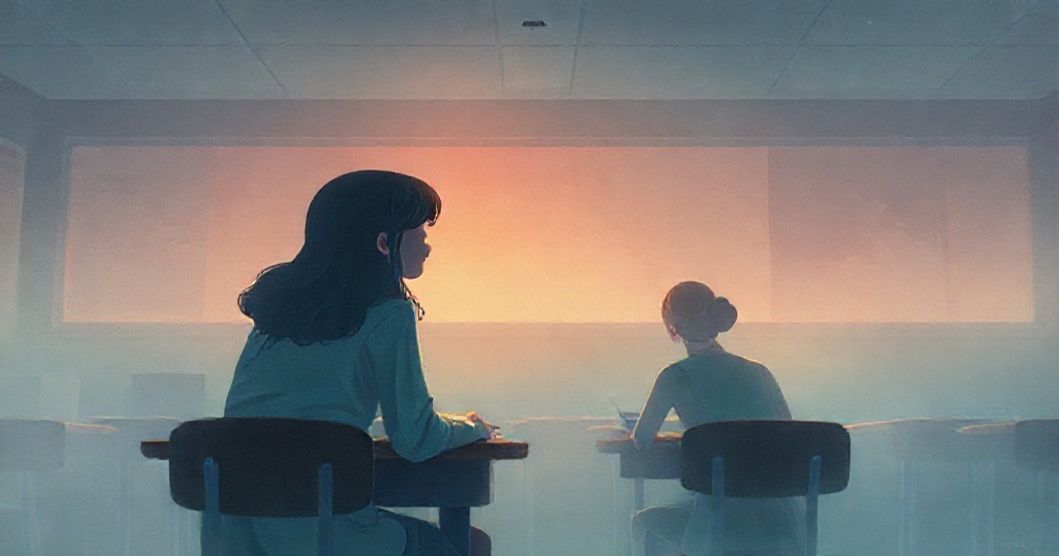
Dreams often arrive as emotional mirrors, reflecting our innermost anxieties with a clarity that defies waking logic. This particular dream transports us to a familiar classroom—a space of academic pressure, teenage vulnerability, and unspoken social dynamics—where the dreamer confronts a pivotal rejection. In the dream, the classroom walls, with their chipped chalkboards and yellowed wallpaper, evoke the comfort of routine, yet they transform into a stage for emotional vulnerability. The dreamer, surrounded by classmates in a space that should feel safe, encounters the girl they’ve liked for three years, who delivers a blunt rejection: ‘I’ll never have a crush on you.’ This rejection is layered with the dreamer’s awareness that she is drawn to his best friend, creating a narrative that mirrors the waking tension between unexpressed feelings and social reality.
The dreamer’s internal landscape is equally vivid: the weight of three years of unspoken affection, the idealization of this girl as a ‘soulmate,’ and the quiet hope that she might one day reciprocate. The classroom setting, though ordinary, becomes charged with significance, a place where social evaluations feel immediate and unforgiving. The dream’s emotional core—the moment of rejection—unfolds with the specificity of a memory, leaving the dreamer gasping awake, the taste of her words still sharp on their tongue.
Part 2: Clinical Analysis
Want a More Personalized Interpretation?
Get your own AI-powered dream analysis tailored specifically to your dream
🔮Try Dream Analysis FreeSymbolic Landscape of the Dream
The classroom serves as a powerful symbol of social evaluation and self-presentation. In academic settings, we are conditioned to perform competence, but here it becomes a space for emotional exposure, where the dreamer’s vulnerability is laid bare. The rejection itself is a visceral symbol of the fear of intimacy—the dreamer’s deepest fear that their affection will be met with disdain, not reciprocity. The phrase ‘eww’ carries particular weight, a primal rejection that bypasses nuance, representing the unconscious mind’s raw fear of being seen as unworthy of love.
The best friend’s role is equally significant. In dreams, loved ones often represent aspects of ourselves we project onto others—here, the best friend embodies the dreamer’s social identity, perhaps their fear of being overshadowed or their recognition that their own sense of self-worth is tied to how others perceive them. The dream’s assertion that she ‘has a crush on your best friend’ may reflect the dreamer’s unconscious acknowledgment that the best friend’s confidence or social standing feels more ‘attractive’ to her, highlighting the dreamer’s own insecurities about their place in the social hierarchy.
The three-year timeline is not arbitrary; it represents the dreamer’s prolonged emotional investment, a period where hope and fear have coexisted. The dream’s repetition of this timeline in a single moment of rejection suggests that the dreamer has been carrying these feelings for years, unable to resolve them, and the dream acts as a pressure release valve for these pent-up emotions.
Psychological Undercurrents: Theory in Practice
From a Jungian perspective, this dream illuminates the archetype of the ‘beloved’—a figure who embodies the dreamer’s idealized self and deepest longings. The rejection in the dream may represent the shadow aspect of the dreamer’s psyche: the parts of themselves they fear are unlovable or unworthy of connection. Jung believed dreams help us integrate these shadow elements, and this dream’s message could be to reconcile the idealized version of love with the messy reality of human connection.
Freud, meanwhile, would interpret this as a manifest dream content—the direct rejection—representing the latent wish to confront the fear of rejection. In his theory, repressed desires (the dreamer’s crush) manifest as symbolic content (the classroom rejection), allowing the unconscious to process these feelings without waking the dreamer. The dream’s specificity—the exact words, the setting, the best friend’s role—suggests a focus on the most painful aspect of the relationship: unrequited love.
Cognitive psychology adds another layer: the dream reflects the dreamer’s rumination on the relationship, processing the cognitive dissonance between their idealization and the reality of her interest in the best friend. The brain’s default mode network, active during sleep, may be replaying social interactions, amplifying the emotional intensity of the rejection.
Emotional and Life Context
This dream is deeply rooted in the dreamer’s waking emotional landscape. The three-year duration of the crush suggests a prolonged period of unexpressed feelings, creating a pressure cooker of hope and anxiety. The label ‘soulmate’ is both a source of comfort and a burden: it idealizes the relationship, making rejection feel more catastrophic. The dreamer’s awareness that she is not popular and neither is he adds another layer of insecurity, as if the relationship could only exist in a space of mutual underdog status.
The best friend’s role is particularly telling—it may represent the dreamer’s envy of their confidence or their own fear of being seen as less than. The dream’s repetition of the ‘she likes my best friend’ narrative suggests the dreamer has internalized this dynamic, perhaps feeling that the best friend’s social standing or personality makes them more worthy of her affection. This internalized comparison can fuel feelings of inadequacy, even in the absence of concrete evidence.
The dream’s timing—occurring after a period of unrequited feelings—reflects the dreamer’s need to process these emotions. Dreams often arise when our unconscious is trying to make sense of unresolved emotional conflicts, and this rejection dream may be the mind’s way of acknowledging the pain of unexpressed love.
Therapeutic Insights for the Dreamer
This dream offers an opportunity for self-reflection and emotional processing. First, journaling about the dream can help unpack the emotions it triggered: What did the rejection feel like physically? What memories of the three-year crush emerge when you recall the dream? This process of externalizing emotions can reduce their power over you.
Second, consider the role of idealization in your perception of this girl. While romantic idealization is natural, it can blind us to reality. Ask yourself: Has she ever given you signs of reciprocity, or is this perception based on wishful thinking? Self-compassion is key—you deserve to be loved, but love is a two-way street.
Third, consider whether to express your feelings directly. If the relationship is worth pursuing, speaking up could resolve the tension, even if it means facing rejection. However, this should be done with care, not to pressure her but to understand her perspective. If she’s already clear about her feelings for your best friend, this clarity might free you to redirect your energy.
Finally, reframe the ‘soulmate’ idea. Soulmates don’t always look like perfect matches; they can be people who help us grow, even if the relationship doesn’t work out. Your worth isn’t tied to whether she reciprocates your feelings.
FAQ Section
Q: Why did the dream feel so realistic and painful?
A: Dreams activate the amygdala, triggering the same emotional response as real rejection. The specificity of the classroom setting and her exact words amplify this, as the unconscious processes unresolved feelings with hyper-vivid detail.
Q: Does this dream mean she actually feels this way about me?
A: No. Dreams reflect your internal state, not external reality. The dream likely mirrors your fear of rejection, not her true feelings (which you’ve inferred from her interest in your best friend).
Q: How can I move past this dream and my feelings?
A: Focus on self-compassion and redirecting energy into activities you enjoy. Consider journaling to separate your idealized view from reality, and practice vulnerability by sharing your feelings with a trusted friend or counselor.