
Part 1: Dream Presentation
Dreams often act as mirrors to our inner lives, reflecting not just what we see on the surface but the deeper currents of our psyche. In this unsettling dream, the dreamer finds themselves in a sterile yet profoundly contaminated space—a tiled room that symbolizes both order and decay. The grotesque imagery—blood, severed limbs, and the terrifying split-bodied creature—creates a landscape of visceral horror that demands interpretation. This nightmare is not merely a random sequence of disturbing images but a carefully constructed narrative from the unconscious mind, offering clues to the dreamer’s emotional state, unresolved conflicts, and psychological patterns.
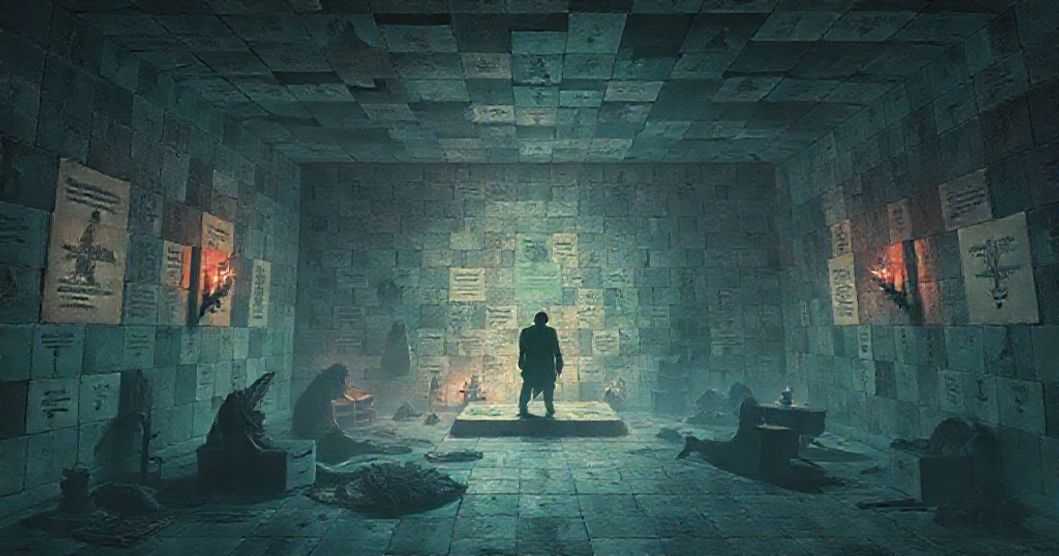
Last night, I found myself in a room lined with cold, white tiles that gleamed under an eerie light. The air carried the metallic tang of blood, thick and cloying, staining the once-pristine surfaces in dark, spreading pools. Scattered across the floor were grotesque fragments: chunks of flesh still glistening with moisture, severed limbs twisted at unnatural angles, and broken arms jutting from the tiles like discarded tools. The room buzzed with life, though not the kind we recognize—monsters lurched everywhere, their forms warped and human-like yet utterly alien. Among them stood the most terrifying figure: a being split clean down the middle, its torso gaping open to reveal bones and sinew without a trace of internal organs. It moved upright, posture insect-like, flailing the two halves of its body as if they were legs, its hissing roar echoing in the tiled chamber as it careened wildly through the chaos, the sound of its fractured body scraping against the tiles a constant, horrifying backdrop to the scene.
Part 2: Clinical Analysis
Want a More Personalized Interpretation?
Get your own AI-powered dream analysis tailored specifically to your dream
🔮Try Dream Analysis FreeSymbolic Landscape: Decoding the Nightmare’s Visual Elements
The tiled room serves as our first critical symbol—a space that represents both order and decay. Tiles, with their rigid patterns and uniformity, often symbolize structure, control, and societal expectations. Yet here, they become a prison of sorts, the sterile surface amplifying the grotesque nature of the imagery. The contrast between the tiled order and the chaotic, bloody mess within creates a powerful tension: the dreamer may feel trapped in a situation that appears organized on the outside but is internally rotting or fragmented.
Blood and flesh, central to the dream’s imagery, represent the life force and vulnerability of the self. Blood, in dreams, often symbolizes emotional energy or repressed feelings that have become ‘contaminated’ or overwhelming. The severed limbs and broken arms suggest a loss of control over one’s body or life direction, as if parts of the self have been ‘broken off’ or discarded. This imagery may reflect a sense of disconnection from one’s physical or emotional body—a feeling of being fragmented or incomplete.
The split-bodied creature is perhaps the most significant symbol. This being, split down the middle with exposed bones and no internal organs, embodies psychological fragmentation and existential anxiety. The insect-like posture (standing upright yet moving with insect-like limbs) suggests a loss of humanity or a sense of being ‘other’ in the world. Its hissing and roaring represent anger, fear, or rage that has been split from the self and is now externalized as a monstrous force. The creature’s movement—wild, uncontrolled, and destructive—mirrors the dreamer’s internal experience of being overwhelmed by forces they cannot understand or control.
Psychological Undercurrents: Theoretical Frameworks
From a Jungian perspective, the monsters in this dream represent the shadow self—the parts of the psyche we reject or fear. The split-bodied creature could symbolize the shadow’s fragmentation, a part of the self that has been split off and externalized. Jung emphasized that integrating the shadow is essential for wholeness, and this nightmare may be urging the dreamer to confront these rejected aspects rather than pushing them away.
Freudian analysis would likely view the grotesque imagery as a manifestation of repressed aggression or unconscious fears. The severed limbs and violence might represent repressed anger or hostility toward oneself or others that has become too dangerous to acknowledge consciously. Dreams, according to Freud, allow us to express forbidden desires and impulses in symbolic form, and this dream could be processing such repressed emotions.
Cognitive neuroscience offers another lens: dreams during REM sleep help process emotional memories and threats, simulating potential dangers to help the brain develop coping mechanisms. This nightmare may be a simulation of real-life anxieties, particularly those related to feeling fragmented or out of control in a threatening world.
Emotional and Life Context: Connecting to Waking Reality
Dreams rarely exist in isolation; they are deeply influenced by waking experiences. The tiled room’s sterility might reflect a situation the dreamer feels is overly structured or controlled, while the contamination suggests underlying corruption or emotional decay beneath the surface. The severed limbs could symbolize a sense of losing agency or control in relationships, work, or personal goals.
The split-bodied creature might emerge from feelings of internal conflict—perhaps a situation where the dreamer feels split between different identities, values, or responsibilities. This could manifest as indecision, conflicting life paths, or a sense of not being fully integrated as a person. The hissing and roaring might represent the stress of these internal battles, as the dreamer tries to maintain control over conflicting forces.
Therapeutic Insights: Navigating the Unconscious
For the dreamer, engaging with this nightmare offers an opportunity for self-discovery and healing. One practical exercise is to journal about the emotions triggered by the dream—identifying which feelings (fear, anger, sadness) arise and where they might connect to waking life. Creating a safe space to process these emotions can help reduce their power.
Lucid dreaming techniques could be useful here: if the dreamer can recognize the nightmare and exert some control, they might transform the creature into a source of power rather than fear. Visualization exercises, where the dreamer imagines healing the split-bodied creature, can symbolically integrate fragmented parts of the self.
Another approach is to explore the ‘story’ behind the dream. Asking: What relationships or situations feel like they’re ‘split’ in the dreamer’s life? What areas of life feel ‘broken’ or out of control? By identifying these connections, the dreamer can begin to address the underlying issues rather than letting them fester.
FAQ Section
Q: Why do I have such violent nightmares?
A: Violent dreams often process unacknowledged anger, fear, or trauma. They allow the mind to externalize these emotions in symbolic form, reducing their intensity in waking life.
Q: Is this dream a sign of psychological distress?
A: While disturbing, this dream is more likely a reflection of current anxieties than a sign of severe mental illness. It signals a need to process emotions rather than indicating pathology.
Q: How can I prevent or manage such nightmares?
A: Address underlying stressors through journaling, mindfulness, or therapy. Visualization techniques and creating a calming pre-sleep routine can also help reduce nightmare frequency.