
Part 1: Dream Presentation
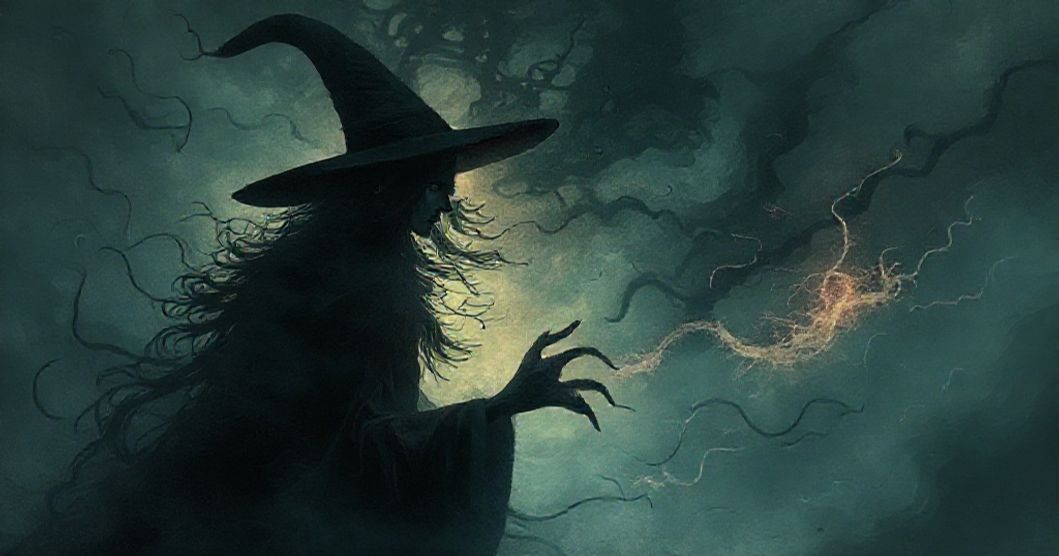
Dreams often serve as mirrors to the unconscious, reflecting our deepest fears, desires, and unresolved emotions through ancient symbolic language. This particular dream arrived nearly a year ago, a haunting encounter with a 'dark witch' that defied initial expectations of nightmare terror. In the dream, the setting was a dim forest at twilight, a liminal space where the boundary between waking and sleeping consciousness blurs—a fitting environment for confronting archetypal figures. The witch herself was neither purely evil nor benevolent, embodying a paradoxical presence that made fear and fascination coexist. Her appearance was described with sensory details: aged parchment skin, burning amber eyes, and a tattered cloak woven with indecipherable symbols. Most striking was her message: 'You are not meant to be afraid,' delivered not through words but through a feeling that wrapped around the dreamer like a serpent’s coil. This unexpected assertion of non-malevolence shattered the typical nightmare trope, introducing a layer of complexity that transformed the dream from simple terror into a profound psychological encounter. What makes this dream particularly intriguing is the dreamer’s subsequent response: rather than dismissing the experience, they developed an interest in the witch archetype, viewing it not as a negative symbol but as a 'layered' figure with enduring relevance in both popular culture and the collective unconscious. This shift from fear to fascination reveals a deeper psychological process at work—a process we will explore through the lens of dream analysis, archetypal psychology, and therapeutic interpretation.
Part 2: Clinical Analysis
The Symbolic Landscape of the Witch Archetype
Want a More Personalized Interpretation?
Get your own AI-powered dream analysis tailored specifically to your dream
🔮Try Dream Analysis FreeThe witch figure in this dream occupies a rich symbolic landscape, transcending simple good/evil binaries to represent the complexity of human experience. In folklore and mythology, witches have historically embodied both fear and reverence: in medieval times, they were scapegoats for societal anxieties, while in modern occult traditions, they’ve been reclaimed as symbols of feminine power and natural wisdom. The 'dark' aspect of the witch here introduces the Jungian concept of the shadow—those parts of ourselves we disown, fearing their darkness. Yet the dream’s twist—her non-malevolent intent—suggests the shadow’s potential for healing rather than harm. The forest setting amplifies this symbolism: forests in dreams often represent the unconscious mind, with trees as metaphors for rootedness and growth. The twilight hour, neither fully day nor night, embodies the liminal space where the conscious and unconscious intersect—a time when archetypal figures emerge. The witch’s attire, with its tattered cloak and indecipherable symbols, hints at a connection to ancient wisdom traditions, suggesting that the dreamer’s encounter was not random but part of a larger pattern of psychological exploration.
Psychological Perspectives: Unpacking the Witch’s Paradox
Freudian theory might interpret the witch as a manifestation of repressed feminine power, a common theme in his work on dreams as wish-fulfillment and symbolic representation of repressed desires. The witch’s 'darkness' could represent the dreamer’s unconscious fear of feminine authority or the untamed aspects of their own psyche. Conversely, Jungian psychology frames the witch as an archetype—a universal symbol present in the collective unconscious. In Jung’s view, archetypes like the witch arise from humanity’s shared experiences, reflecting both shadow and animus (the masculine aspect of the feminine psyche) or anima (the feminine aspect of the masculine psyche). The witch’s ambiguous nature reflects the Jungian concept of the shadow’s dual nature: neither entirely good nor evil, but a complex integration of opposing forces. This aligns with the dreamer’s observation that the witch is 'not seen in a negative light'—a recognition that the shadow can be a source of wisdom rather than danger. From a contemporary perspective, the witch archetype also connects to modern spirituality movements, where reclaiming the witch symbol represents a rejection of binary thinking and an embrace of nuanced, integrated selfhood.
Emotional & Life Context: Facing Fear, Embracing Transformation
The timing of this dream—nearly a year ago—suggests it may have emerged during a period of significant personal transition or emotional upheaval. The witch’s presence, though terrifying, offered a paradoxical sense of safety through her non-malevolent intent, indicating the dreamer’s subconscious was processing a tension between fear of the unknown and curiosity about deeper self-knowledge. The shift from fear to fascination with the witch archetype reflects a healthy psychological process: rather than suppressing the nightmare, the dreamer actively engaged with its symbolic content, recognizing its relevance to their waking life. This engagement with the witch archetype may correspond to real-world themes of empowerment, particularly around feminine energy or personal boundaries. In contemporary culture, the witch symbol has been reclaimed by marginalized groups and spiritual seekers, representing resistance to societal norms and an assertion of personal power. The dreamer’s interest in this symbol suggests a subconscious desire to integrate these themes of empowerment and self-discovery into their waking life.
Therapeutic Insights: Transforming Nightmares into Self-Knowledge
This dream offers several therapeutic lessons for the dreamer. First, it highlights the importance of approaching disturbing dreams with curiosity rather than fear—a practice that can reduce anxiety and open the door to self-discovery. The witch’s ambiguous nature invites the dreamer to embrace complexity in their identity, recognizing that aspects of themselves may feel 'dark' or intimidating but need not be feared. Journaling exercises could help unpack the witch’s symbols more deeply, exploring what specific fears or desires she represents in the dreamer’s life. For example, the tattered cloak might symbolize outdated belief systems, while the burning eyes could represent the intensity of the dreamer’s emotions. The dream also suggests that engaging with archetypal symbols can be a form of self-care, particularly for those navigating life transitions or seeking deeper meaning. By studying the witch archetype across cultures and traditions, the dreamer is engaging in a form of shadow work, integrating previously disowned parts of themselves. This process aligns with modern therapeutic approaches that emphasize self-compassion and the integration of all psychological aspects, not just the 'positive' ones.
FAQ Section
Q: What does it mean to dream of a witch who doesn’t want to harm you?
A: This suggests your unconscious is processing fear of the unknown or shadow aspects of yourself without judgment. The witch’s non-malevolence indicates a desire for self-compassion and integration of previously feared parts of your psyche.
Q: Why might the witch appear in a forest at twilight?
A: Forests represent the unconscious, while twilight is a liminal time between day and night—your mind is exploring boundary spaces, where archetypal figures emerge to guide self-discovery.
Q: How does the witch archetype relate to modern spirituality?
A: The witch symbolizes reclaiming feminine power, challenging binary thinking, and embracing nuanced selfhood—core themes in contemporary spiritual movements that reject dogma and embrace complexity.