
Part 1: Dream Presentation
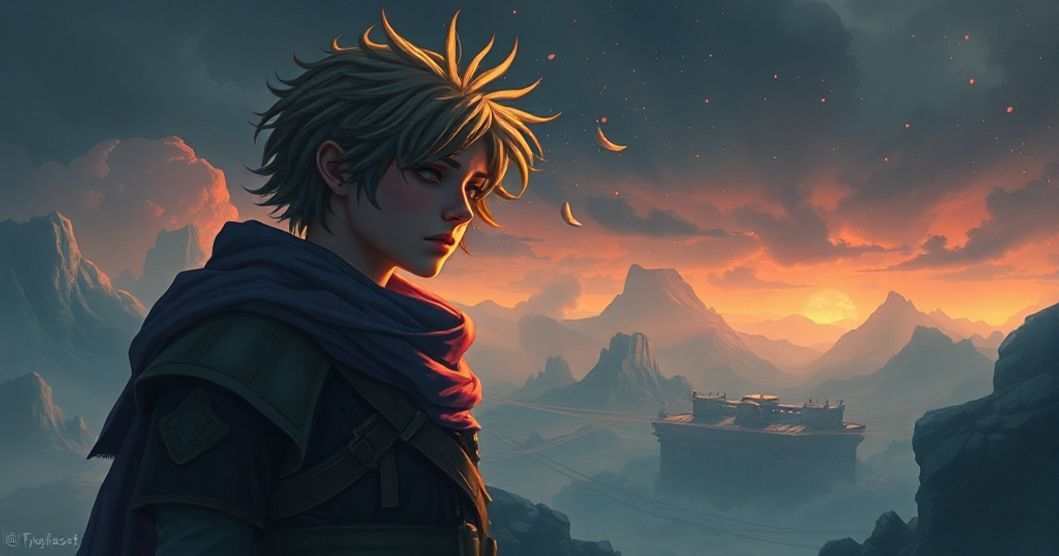
Dreams have long served as portals to our unconscious, revealing landscapes where reality bends and identity transforms. In this case, the dreamer describes recurring experiences of immersive RPG worlds that feel simultaneously vivid and artificial, blurring the line between waking and sleeping states. The narrative unfolds as a series of alternate realities where the dreamer embodies distinct characters, losing their personal memories and personality to fully inhabit these new identities. The worlds shift between dark fantasy settings, each populated by figures driven by rebellion against authority—breaking laws or seeking revenge against rulers. Most notably, the latest dream introduces a surreal 'toggle' for blood and gore, suggesting a conscious awareness of the dream’s constructed nature while remaining deeply engaged with its narrative. This unique dreamscape raises compelling questions about how our minds process identity, agency, and rebellion during sleep.
Part 2: Clinical Analysis
The Symbolic Landscape of Alternate Identities
Want a More Personalized Interpretation?
Get your own AI-powered dream analysis tailored specifically to your dream
🔮Try Dream Analysis FreeThe recurring theme of becoming another person in alternate worlds speaks to fundamental questions of self and identity. In Jungian psychology, the concept of the 'persona'—the social mask we present to the world—finds resonance here, but the dream takes this further by depicting a complete identity shift. The dark fantasy genre, while not the dreamer’s usual interest, may symbolize the unconscious mind’s exploration of themes that feel threatening or forbidden in waking life. The characters’ rebellion against rulers suggests a psychological undercurrent of resistance to perceived constraints or injustices in the dreamer’s waking life. The ability to 'toggle' blood and gore introduces a fascinating layer of agency within the dream—this control over the intensity of experience mirrors the dreamer’s attempt to manage emotional engagement with disturbing content, perhaps reflecting a need for both immersion and safety.
Psychological Perspectives on Dreaming Immersion
From a Freudian lens, these dreams might represent repressed desires or conflicts that surface in symbolic form. The loss of personal identity could indicate a temporary dissolution of ego boundaries, allowing the unconscious to express itself without the constraints of waking self-concept. Jungian analysis, however, would emphasize the 'shadow' aspect—the parts of ourselves we reject or fear to acknowledge. The recurring 'rebellion' archetype aligns with Jung’s concept of individuation, where the unconscious seeks integration of conflicting aspects of self. The RPG structure itself reflects cognitive processes during REM sleep: the brain constructs coherent narratives while maintaining some awareness of the dream’s artificiality, a phenomenon neuroscientists call 'narrative coherence' in dreams. The blood/gore toggle suggests metacognition within the dream—a self-aware adjustment of emotional intensity, indicating the dreamer’s psychological sophistication in processing disturbing material.
Emotional and Life Contextualization
The dreamer’s description of losing personal memories and personality in each dream hints at underlying existential questions or identity exploration. The recurring theme of rebellion against rulers may reflect frustration with authority figures or systems in waking life—perhaps work pressures, social constraints, or feelings of powerlessness. The dark fantasy genre, despite not being the dreamer’s preference, suggests the unconscious is drawn to exploring more intense, complex themes that don’t fully manifest in daily life. The 'toggle' feature introduces an intriguing dynamic: the dreamer is both participant and observer, controlling the intensity of their experience. This could indicate a desire to engage with difficult emotions while maintaining a sense of safety—a balance often sought in therapeutic work. The inability to wake until the story ends suggests psychological absorption, where the mind becomes so invested in the narrative that it resists disruption, a common phenomenon in dreams that address unresolved emotional conflicts.
Therapeutic Insights and Practical Reflection
This dream offers several avenues for self-exploration. First, the recurring identity shift invites reflection on how the dreamer views different aspects of their personality—are there parts of themselves they feel compelled to express but currently suppress? The rebellion theme suggests a need to examine areas where the dreamer feels constrained or unjustly treated, and how these feelings manifest in waking life. Journaling exercises could help map these themes to real-life situations: noting when rebellion or resistance appears in daily interactions. The blood/gore toggle is particularly insightful, suggesting the dreamer has developed strategies for managing intense emotional content—this self-regulation could be harnessed in waking life through mindfulness practices that allow processing difficult emotions without becoming overwhelmed. Finally, the dream’s immersive quality highlights the power of narrative in shaping emotional experience, suggesting the dreamer might benefit from intentional storytelling in waking life to process unresolved issues.
FAQ Section
Q: What does it mean to lose personal identity in these dreams?
A: Losing identity in dreams often reflects the unconscious mind’s exploration of different aspects of self or a temporary dissolution of ego boundaries, allowing for psychological integration of conflicting traits.
Q: Why do these dreams feature dark fantasy and rebellion themes?
A: Dark fantasy settings may symbolize repressed emotions or forbidden desires, while rebellion against rulers reflects unconscious resistance to perceived constraints or injustices in waking life.
Q: How does the blood/gore toggle affect the dream’s meaning?
A: This feature suggests metacognitive awareness within the dream, indicating the ability to regulate emotional engagement with disturbing content—a useful skill that can be applied to managing stress in waking life.