
Part 1: Dream Presentation
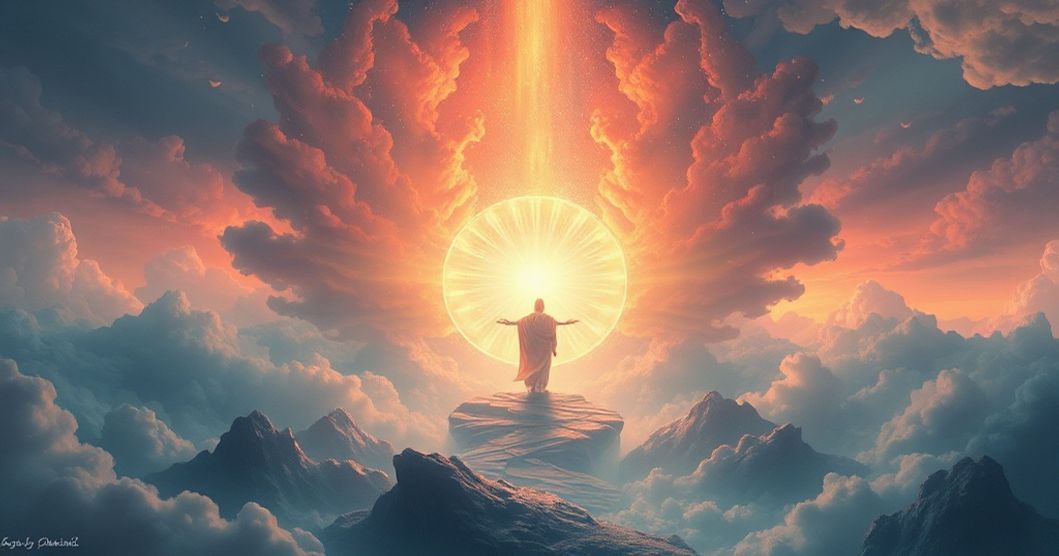
Dreams often serve as portals to the unconscious mind, offering symbolic language that bypasses waking logic. This particular dream unfolds with striking imagery: a figure composed of light—radiant, almost angelic in appearance—approaches with apparent gentleness yet performs an act of radical transformation by removing the dreamer’s face. Beneath the skin, wires and honey replace human flesh, creating a surreal anatomy that defies physical laws yet resonates with emotional truth. The dreamer observes their own skull exposed without horror, experiencing only acceptance rather than revulsion. This narrative, which the dreamer intends to adapt for a comic, suggests a deeper psychological process at play.
Last night, I experienced a dream that felt both surreal and deeply visceral—a man composed entirely of radiant light approached me with an otherworldly gentleness. As he drew near, his form shimmered like sunlight refracted through prisms, yet his presence carried an inexplicable warmth that transcended mere illumination. Without warning, he reached toward my face, and in that moment, I felt no fear, only a strange curiosity. His touch was like a caress, yet his fingers moved with a precision that tore through my skin as easily as if it were paper. Beneath my flesh, I discovered not muscle or sinew, but an intricate network of glistening wires interwoven with golden honey, the sticky substance oozing slowly from beneath my skin. The light he emitted was so intense I could barely see, yet it revealed something more profound: as my face was removed, I beheld my own skull, smooth and pale beneath the illumination, a revelation I found neither horrifying nor confusing. Instead of anger or revulsion, I felt a curious acceptance—a strange sense that this transformation, though physically impossible in waking life, was somehow necessary. I woke with the dream still vivid, its imagery lingering like a half-remembered poem, and I couldn’t help but think how perfectly this surreal experience might translate into the comic I’ve been struggling to write.
Part 2: Clinical Analysis
Want a More Personalized Interpretation?
Get your own AI-powered dream analysis tailored specifically to your dream
🔮Try Dream Analysis FreeThe Symbolic Landscape: Light, Removal, and Inner Anatomy
The luminous figure in this dream embodies a paradoxical archetype: light often symbolizes enlightenment, spiritual awakening, or the conscious mind, yet the figure’s act of removal suggests destruction. In Jungian psychology, light frequently represents the Self—the integrated whole of conscious and unconscious elements—while the act of 'ripping off the face' can be interpreted as shedding an external identity or facade. The wires beneath the skin introduce technological or mechanical symbolism, suggesting a dreamer who may feel their identity is constructed from external systems or societal expectations. The honey, however, introduces organic, nurturing imagery, creating a contrast between artificiality (wires) and natural substance (honey), hinting at tensions between constructed identity and authentic self-expression.
The figure composed of light evokes both the 'wise old man' archetype and the 'sacred destroyer' from mythology—a being who brings transformation through destruction. In alchemy, the 'philosopher’s stone' often requires breaking down the old self to create something new, and this dream’s imagery aligns with that process. The light itself, though initially overwhelming, becomes a transformative force rather than a destructive one, suggesting that the dreamer’s unconscious recognizes that profound change may require confronting uncomfortable truths about the self.
Psychological Perspectives: Jungian, Freudian, and Modern Frameworks
From a Jungian perspective, the light figure represents the 'anima' or 'animus'—the unconscious feminine or masculine aspects that guide the psyche toward integration. The act of face removal could symbolize the dissolution of the persona (the social mask we present to the world) to reveal the authentic self beneath. The wires and honey beneath the skin suggest a hybrid identity: technological constructs (wires) representing how we perceive ourselves through external systems, and honey (a substance of creation and nourishment) representing our essential, organic nature.
Freudian analysis might interpret the 'ripping off the face' as a manifestation of repressed anger or fear of exposure. The honey, often associated with pleasure and nourishment, beneath the skin could represent repressed desires or needs that surface during sleep. The dreamer’s lack of anger despite this grotesque transformation suggests a deeper acceptance of change, perhaps indicating that the unconscious mind is processing necessary growth rather than resisting it.
Modern psychological frameworks, particularly those emphasizing narrative and meaning-making, view this dream as a creative expression of the dreamer’s current life situation. The comic adaptation suggests that the dreamer is seeking to externalize this internal experience, transforming the symbolic destruction into a visual medium—a process that mirrors the 'creation from destruction' theme within the dream itself.
Emotional & Life Context
The dream’s emotional tone—curiosity rather than fear, acceptance rather than horror—suggests the dreamer is navigating a period of significant change with unexpected resilience. The light figure’s gentleness implies that the transformation is not imposed but invited, a crucial distinction in dream interpretation. The wires and honey beneath the skin might represent how the dreamer perceives their identity: partially constructed (wires) and partially organic (honey), with the 'honey' representing authentic aspects of self that persist despite external constructions.
The act of 'stealing' the dream for a comic indicates a desire to externalize and process this internal experience, suggesting the dreamer is engaged in creative problem-solving or artistic expression. The 'face removal' could symbolize shedding an old identity or persona that no longer serves them, while the honey and wires represent the new self emerging from this transformation. The dreamer’s waking life likely involves creative work or artistic pursuits, as evidenced by the comic adaptation idea, and the dream may be reflecting tensions between self-expression and identity construction.
Therapeutic Insights
This dream offers several therapeutic opportunities for the dreamer. First, it suggests that the unconscious mind is ready to embrace necessary change, even when it appears destructive in form. The light figure’s gentleness implies that transformation can occur with self-compassion, not harsh judgment. The dreamer might benefit from exploring their relationship with their current identity and how they perceive themselves in relation to their creative work.
Reflective exercises could include journaling about recent changes in waking life, noting where the 'wires' (constructed identity) and 'honey' (authentic self) intersect. The dreamer might also explore the concept of 'creation from destruction' by examining how challenges in life lead to growth and new forms of expression. The comic adaptation idea suggests that externalizing this internal transformation can be healing, turning the symbolic destruction into a narrative of renewal.
For long-term integration, the dreamer might consider creating a visual representation of the light figure and the transformed self, using the comic as a medium to process these themes. This aligns with the therapeutic value of art in processing trauma and transformation, allowing the dreamer to take ownership of their internal experiences.
FAQ Section
Q: What does it mean that the figure was 'made of light'?
A: Light in dreams often symbolizes consciousness, truth, or spiritual illumination. A light figure approaching gently suggests a positive, transformative force in your life, possibly guiding you toward self-understanding.
Q: Why was there honey beneath the skin?
A: Honey represents nourishment, pleasure, and organic connection. Its presence beneath the skin suggests repressed needs or authentic aspects of self that persist despite external constructions.
Q: Why wasn’t the dreamer angry?
A: The lack of anger indicates acceptance of change, suggesting your unconscious sees this transformation as necessary rather than threatening. This reflects resilience and openness to growth.
Keywords: light figure, face removal, wires and honey, symbolic transformation, comic adaptation, acceptance of change, identity construction, archetypal destruction, creative expression, luminous presence, psychological integration, artistic inspiration , entities: luminous figure, wire-honey anatomy, skull revelation, light as transformation, comic creation, identity shedding, archetypal destroyer