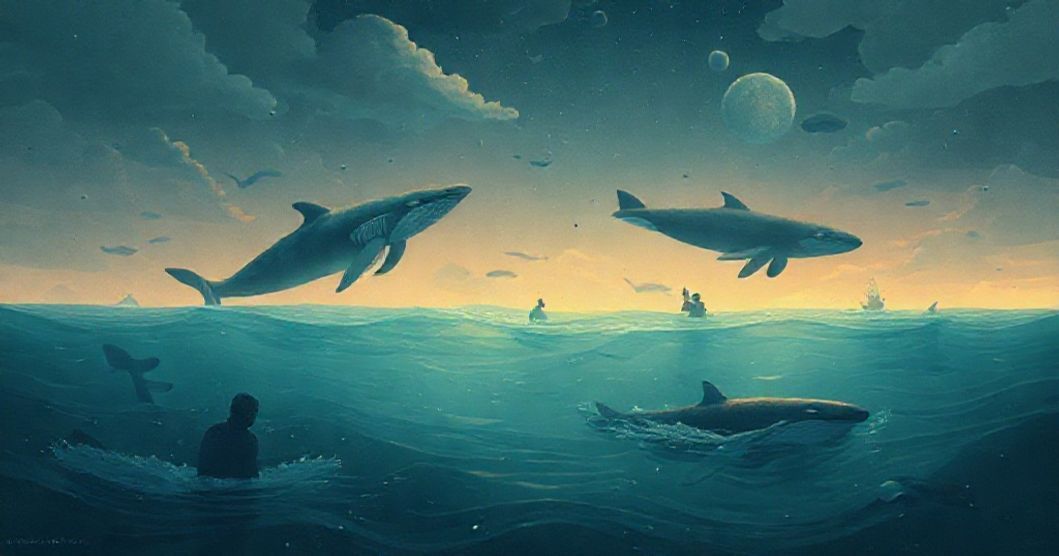
Part 1: Dream Presentation\n\nDreams often serve as portals into our unconscious, and this particular dream offers a rich landscape where childhood nostalgia collides with adult anxieties. Here is the dream as I experienced it:\n\nLast night, I found myself immersed in a world reminiscent of classic Pokémon games—a top-down perspective, whimsical yet slightly distorted graphics, and turn-based battles that blurred into indistinct shapes. Though the combat mechanics eluded my memory, the game's familiar aesthetic anchored me in a reality that felt both comforting and disorienting. The first significant shift occurred as I explored a coastal landscape, where I encountered a figure dressed in what appeared to be a priestly robe, struggling to reach solid ground. In my dream, I instinctively offered assistance, only to discover the figure was a woman in disguise—her 'priestly' appearance a false beard I accidentally knocked aside. Her comedic reaction—calling me a 'pervert' and dissolving into anime-style antics—contrasted sharply with the dream's subsequent darkness.\n\nAbove this scene, an enormous octopus glided through the water, its tentacles rippling in slow motion before swimming to reveal a regal whale, whom I perceived as a local 'king' collecting knowledge. This whale needed this knowledge to save its father—a colossal whale stranded on a sandy shoreline. The dream then revealed a stark contradiction: a beach crowded with families playing, despite the presence of dead and decaying marine life. A timeskip showed graves covering the beach, where both dolphins and the families had been buried, hundreds of unreadable information plaques marking their final resting places. The pressure in my chest, palpable throughout, underscored the dream's emotional weight.\n\nFinally, the scene shifted to a clinical laboratory with East Asian doctors, where I was offered a 'XNO test'—a medical examination promoted as essential for human survival. The dream's abrupt shift from playful game to somber reality left me with an indelible impression, as if my unconscious was urgently communicating something about identity, loss, and the fragility of existence.\n\n## Part 2: Clinical Analysis\n\n### Symbolic Landscape: Decoding the Dream's Imagery\n\nThe dream's imagery functions as a symbolic language, with each element carrying layered meaning. The Pokémon-like game serves as a powerful metaphor for structured reality—the comfort of familiar systems versus the chaos of the unconscious. The disguised priest figure embodies the trickster archetype, a Jungian symbol of hidden truths and identity. The 'false beard' represents how we present ourselves versus our authentic selves, while her accusation of 'pervert' suggests repressed desires or fears of judgment.\n\nThe octopus, a creature often associated with mystery and adaptability, introduces the theme of collective knowledge. In dream symbolism, octopuses frequently represent the unconscious mind's ability to process complex information. The whale, as a 'king' collecting knowledge, embodies leadership and legacy—the burden of responsibility to protect family and heritage. The stranded whale father speaks to generational trauma and the weight of unaddressed family issues, while the marine animals' decay symbolizes ecological collapse and the fragility of natural systems.\n\nThe beach, a liminal space between land and sea, becomes a microcosm of human vulnerability. The contrast between joyful beachgoers and decaying marine life reflects denial of ecological reality—a common psychological defense mechanism. The hundreds of graves, each with unreadable information, symbolize collective loss and the unprocessed grief of modern society. The 'XNO test' in the clinical laboratory represents the medicalization of existence, where survival is reduced to compliance with external systems of control.\n\n### Psychological Currents: Theoretical Frames\n\nFrom a Jungian perspective, this dream reveals the shadow self—the 'pervert' accusation and disguise represent aspects of the dreamer's psyche that feel alien or threatening. The trickster figure (the disguised woman) embodies the shadow's playful yet destructive nature, challenging the dreamer to confront uncomfortable truths. The whale, as a collective archetype, speaks to the anima/animus—the feminine/masculine aspects of the unconscious that seek integration.\n\nFreud's lens might interpret the 'pervert' accusation as displaced guilt or repressed sexual desires, while the comedic disguise represents the dreamer's fear of being exposed as 'inauthentic' in waking life. The octopus, with its multiple tentacles, could symbolize the dreamer's attempt to manage too many responsibilities simultaneously—a common modern anxiety.\n\nCognitive dream theory suggests the dream processes recent experiences: the beach imagery might reflect environmental concerns, while the medical test hints at societal pressures to conform to health systems. The emotional intensity of the dream, particularly the chest pressure, correlates with REM sleep's activation of the amygdala, suggesting the dream is processing significant emotional material.\n\n### Emotional Resonance: Waking Life Connections\n\nThe dream's emotional arc—from playful game to ecological horror to clinical urgency—likely reflects the dreamer's internal conflicts. The contrast between the comforting Pokémon aesthetic and the subsequent darkness suggests a tension between nostalgia for simpler times and the complexity of adult life. The 'false beard' might symbolize gender identity exploration or fear of judgment in social contexts.\n\nThe beach scene, with families playing despite obvious ecological damage, mirrors our collective denial of environmental crisis—a common response to overwhelming problems. The pressure in the chest represents unresolved grief or anxiety about systemic issues beyond personal control. The 'XNO test' could reflect medical anxieties or societal pressure to prioritize external validation over internal well-being.\n\nRecent events might include environmental concerns, medical appointments, or identity exploration, all of which the unconscious processes through this surreal narrative. The dream's emphasis on 'survival' hints at existential anxiety—the fear that modern life requires constant vigilance and compliance to avoid collapse.\n\n### Therapeutic Insights: Integration and Reflection\n\nThis dream invites several reflective practices to unpack its layers. First, journaling about the 'false beard' figure can reveal aspects of identity we hide or fear being exposed. Asking: 'What parts of myself feel like a 'disguise' I'm wearing?' can uncover authentic self-exploration.\n\nThe ecological elements suggest reconnecting with nature and processing environmental grief. Mindfulness practices focused on the breath can help release the chest pressure, while reflecting on how we 'play' in our lives versus how we 'work' to survive.\n\nThe 'XNO test' offers an opportunity to question external validation systems. Asking: 'What do I truly need for survival versus what society tells me I need?' can foster autonomy in decision-making. The dream's message—that survival requires both collective action and individual integrity—suggests balancing personal well-being with broader responsibilities.\n\n### FAQ Section\n\nQ: Why did the dream combine childhood nostalgia with disturbing elements?\nA: This juxtaposition reflects the unconscious mind's integration of past comfort and present anxiety, using familiar contexts to process new concerns about identity and survival.\n\nQ: What might the octopus symbolize in this dream?\nA: The octopus represents the dreamer's ability to navigate complex information, often linked to collective memory and adaptability in the face of uncertainty.\n\nQ: How does the beach with graves relate to my waking life?\nA: The graves symbolize unprocessed grief or loss—whether environmental, relational, or personal—and the collective nature of our unspoken sorrows in modern society.