
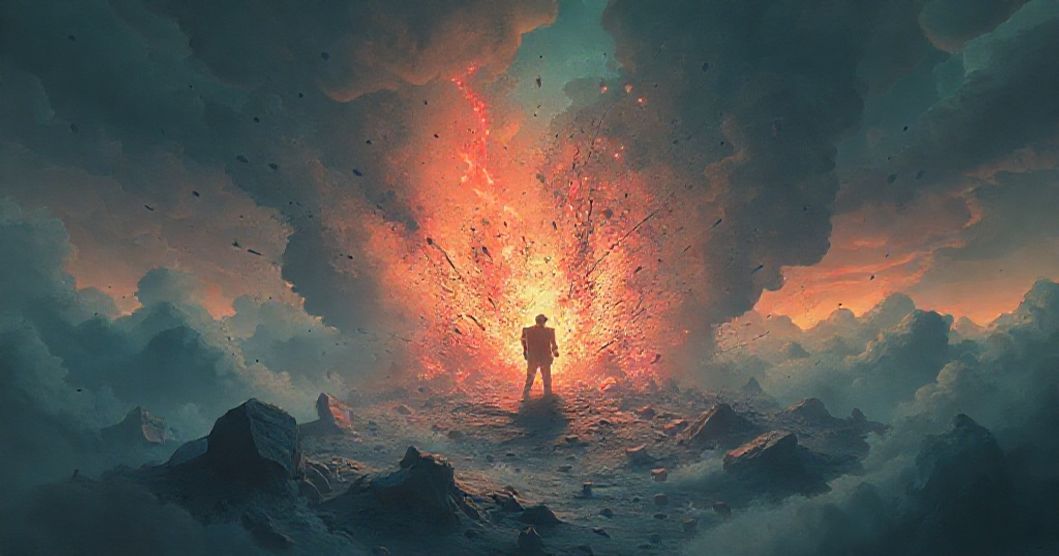
Part 1: Dream Presentation
Dreams that linger in our consciousness often carry emotional weight far beyond their fleeting moments. This particular dream, with its visceral sense of impending mortality, offers a window into the dreamer’s inner emotional landscape and unconscious processing of vulnerability. Last night, the dreamer found themselves in a familiar setting—a department store where they work—when the mundane environment transformed into a scene of sudden, violent disruption. Three men wielding machetes invaded the space, launching an attack that targeted the dreamer’s hands and knees, rendering them physically incapacitated. After the attackers fled, the dreamer crawled toward a cashier, who provided immediate comfort and called for help. Yet as the dream progressed, a disturbing dissociation set in: the world narrowed, sounds faded, and the dreamer felt their consciousness slipping away despite remaining in a waking state. This paradoxical experience of 'dying' while still 'awake' created a jarring emotional impact, leaving the dreamer with a profound sense of existential threat and a desperate need to share the experience upon waking.
Symbolic Landscape: Decoding the Dream’s Visual Elements
The department store serves as a liminal space—a place of daily routine and social interaction that becomes transformed into a site of danger. This shift mirrors how mundane environments can feel threatening when underlying anxieties surface. The machetes, as weapons of sudden, brutal force, symbolize unpredictable threats to safety and control, possibly reflecting waking-life fears of vulnerability or powerlessness. The specific injuries—hands and knees—are particularly significant: hands represent the ability to manipulate and connect, while knees symbolize stability and mobility. Their simultaneous injury suggests a dual threat to both agency (hands) and foundational security (knees), creating a powerful image of being rendered both useless and defenseless.
Want a More Personalized Interpretation?
Get your own AI-powered dream analysis tailored specifically to your dream
🔮Try Dream Analysis FreeThe cashier figure embodies the dream’s tension between threat and safety. Their role as a provider of comfort and intervention (calling 911) represents the dreamer’s unconscious longing for support during crisis. Yet the dreamer’s subsequent dissociation—despite the cashier’s efforts—suggests that even external reassurance cannot fully counteract the depth of internal overwhelm. The 'dying' sensation, while not literal, represents a psychological process of confronting existential vulnerability—a core theme in dreams that explore mortality.
Psychological Perspectives: Multiple Lenses on the Dream
From a Jungian perspective, this dream may reflect the shadow archetype—the unconscious repository of repressed fears and threats. The three attackers could symbolize fragmented aspects of the self or external pressures that feel overwhelming. The machete as a tool of destruction might represent the dreamer’s own self-criticism or the 'cutting' of old patterns. The kneecap injuries, in particular, align with Jung’s concept of the anima/animus projection, where physical vulnerability mirrors emotional exposure.
Freudian analysis would likely focus on repressed aggression or fear of powerlessness. The department store setting, a space of routine and social performance, might represent the dreamer’s workplace anxieties manifesting in symbolic form. The 'dying' dream could stem from unresolved conflicts around control or the fear of losing agency—a common theme in workplace stress or life transitions.
Neuroscientifically, this dream illustrates how the brain processes trauma during sleep. The default mode network, active during dreaming, may be reprocessing waking stressors, creating a hyper-realistic simulation of threat. The dissociation during the dream—heart slowing, breathing shallow—parallels the body’s natural trauma response, where the nervous system temporarily shuts down to protect against overwhelming emotional stimuli.
Emotional and Life Context: Connecting to Waking Experience
The dream’s visceral quality suggests the dreamer may be experiencing underlying stressors related to their work environment or personal life. The department store setting, a space of constant vigilance and customer interaction, could reflect pressures to maintain control or perform under scrutiny. The 'dying' sensation, while intense, often arises from deeper emotional themes: fear of failure, loss of identity, or existential uncertainty.
The act of 'getting this off' after waking indicates the dream’s emotional resonance—this is not merely a random nightmare but a reflection of something the dreamer needs to process. The physical trauma (hands and knees) might symbolize fears of being 'cut off' from creative expression (hands) or stability (knees), suggesting potential life transitions or anxieties about personal boundaries.
Therapeutic Insights: Integrating the Dream’s Lessons
Dreams like this one offer valuable clues for emotional processing. The first step is acknowledging the dream’s emotional impact without judgment. Journaling exercises can help unpack the dream’s details, exploring how the 'dying' feeling relates to waking-life anxieties. Reflective questions might include: 'What aspects of my life feel most threatening right now?' and 'Where do I feel most vulnerable?'
For those experiencing frequent dreams of threat or mortality, grounding practices during waking hours can help manage anxiety. Mindfulness meditation, particularly focusing on breath and physical sensations, can counteract the dissociation the dreamer experienced. Similarly, cognitive reframing techniques can help transform 'dying' fears into opportunities for growth and self-protection.
The dream’s emphasis on seeking help (the cashier’s role) suggests the importance of external support systems. Whether through trusted colleagues, friends, or professional resources, the dreamer may benefit from opening up about underlying stressors. The act of sharing the dream publicly (on Reddit) represents an initial step toward processing these emotions, validating the therapeutic value of dream disclosure.
FAQ Section
Q: Why did the dreamer feel 'dying' despite waking up?
A: Dreams create hyper-realistic emotional states; the 'dying' sensation reflects existential awareness of vulnerability, not literal death. The brain processes threats intensely during REM sleep, triggering survival mechanisms even when the body is safe.
Q: What does the machete symbolize in this context?
A: Machetes represent sudden, unpredictable threats to safety and control. They may reflect workplace anxieties, life disruptions, or internal fears of losing agency or stability.
Q: How does the cashier figure represent the dreamer’s internal state?
A: The cashier embodies the dreamer’s need for support and safety during crisis. Their presence highlights the tension between external reassurance and internal overwhelm, showing how even support can’t fully counteract deep-seated fears.