
Part 1: Dream Presentation
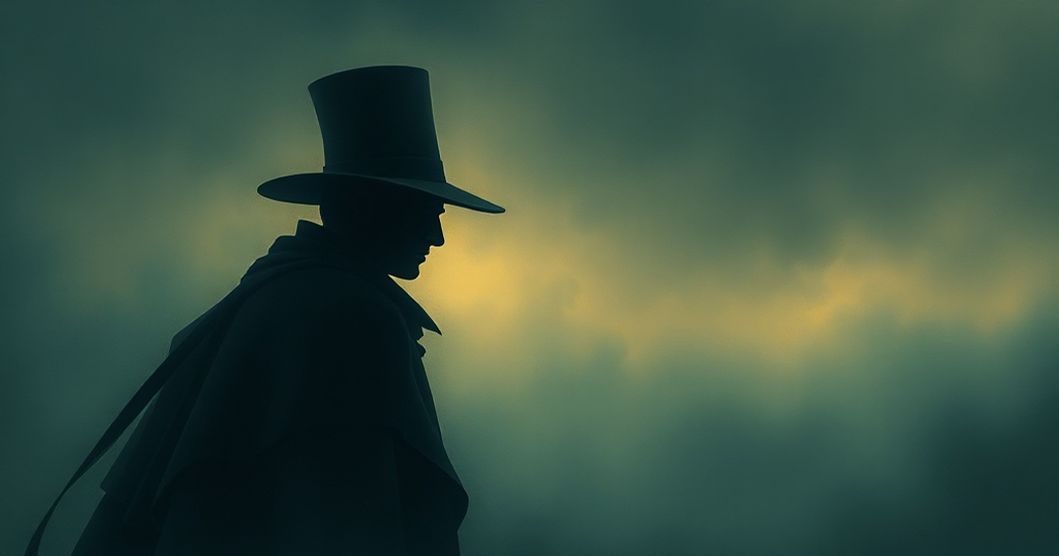
Dreams often arrive unannounced, carrying messages from our subconscious in cryptic yet compelling ways. This particular dream—my first encounter with the so-called 'Hat Man'—unfolded with striking clarity, its unsettling imagery lingering long after waking. The dreamer found themselves in an unfamiliar place, a temporary lodging with walls that felt foreign, yet the most disturbing element was the tall figure standing rigidly near the window. Dressed in a wide-brimmed hat that obscured its face, the figure moved with unnatural, jerky twitches—like a marionette with broken strings, struggling to mimic human motion but failing. The dreamer felt paralyzed, unable to escape the intense gaze, while the room’s dim lighting and open curtains revealed a vast, shadowy balcony beyond. This was no ordinary dream; it marked the first time the dreamer encountered such a disturbing figure, leaving them with both terror and a nagging curiosity about its meaning.
Part 2: Clinical Analysis
Symbolic Analysis
Want a More Personalized Interpretation?
Get your own AI-powered dream analysis tailored specifically to your dream
🔮Try Dream Analysis FreeThe 'Hat Man' figure represents a classic manifestation of the shadow archetype, as defined by Carl Jung. In dream symbolism, tall figures often embody overwhelming presence or authority, while the hat—particularly a wide-brimmed style—suggests concealment or a desire to hide one’s true self. The figure’s unnatural twitching and rigid posture reveal a deeper psychological tension: the struggle to integrate fragmented aspects of the self. The shadow archetype thrives on these tensions, emerging when repressed emotions or unacknowledged parts of the psyche demand attention. The open curtains and dim lighting create a liminal space—a threshold between conscious and unconscious realms—amplifying the dream’s symbolic power. This space represents vulnerability and exposure, as the dreamer’s gaze meets the shadow without protection, forcing an encounter with repressed fears.
The balcony outside the window adds another layer of symbolism, suggesting a connection to the dreamer’s sense of exposure or 'looking out' at their life from a place of transition. The 'temporary lodging' (staying somewhere else) reinforces themes of uncertainty and change, indicating the dreamer may be navigating a period of life upheaval or psychological transition. The figure’s inability to move naturally mirrors the dreamer’s internal struggle to express emotions or integrate conflicting aspects of identity—perhaps feeling like an impostor in their own life or struggling to 'move naturally' through recent changes.
Psychological Perspectives
From a Jungian framework, the Hat Man embodies the shadow—unconscious parts of the self that feel threatening or alien. The figure’s rigidity and twitching movements suggest the shadow’s attempt to assert itself, as the dreamer’s psyche struggles to process repressed emotions or unintegrated experiences. This aligns with Jung’s assertion that the shadow must be acknowledged to achieve wholeness. For Freud, the dream could represent repressed desires or anxieties: the Hat Man’s overwhelming presence might symbolize forbidden impulses or fears of judgment, with the twitching movements reflecting the dreamer’s attempt to suppress these feelings. The dim lighting and open curtains create a space of partial awareness, allowing the unconscious to express itself without full conscious censorship.
Neuroscientifically, the dream reflects REM sleep’s active processing of emotional data. During dreaming, the visual cortex remains highly active, creating vivid imagery from fragmented neural patterns. The Hat Man’s uncanny quality likely stems from the brain’s attempt to make sense of random neural activity, often resulting in unsettling yet emotionally charged figures. Cognitive psychology interprets this as the brain constructing a narrative to impose meaning on these random signals, with the Hat Man emerging as a 'story character' representing the dreamer’s current emotional state.
Emotional & Life Context
The dream’s timing—occurring during a period of transition (staying somewhere else)—suggests underlying anxiety about change or uncertainty. The 'first experience' with this type of figure implies these emotions are new or recently activated, possibly triggered by a waking stressor. The unfamiliar location (temporary lodging) may reflect feelings of displacement or a lack of grounding in current life circumstances. The open curtains and dim lights create a sense of exposure, mirroring the dreamer’s vulnerability to external judgment or internal scrutiny. The emotional intensity (terror, paralysis) indicates these feelings are deeply unresolved, perhaps tied to fears of being watched, judged, or misunderstood.
This dream may also reflect the dreamer’s struggle with authenticity: the Hat Man’s inability to move naturally could symbolize a sense of inauthenticity, as if the dreamer is 'performing' a self that doesn’t feel genuine. The temporary lodging reinforces this theme, suggesting the dreamer is in a phase of life where they’re redefining their identity or role. The figure’s gaze, though unseen, feels accusatory—a mirror held up to the dreamer’s unconscious fears of inadequacy or unmet expectations.
Therapeutic Insights
The Hat Man dream offers an opportunity for self-reflection and integration. The dreamer should explore the emotions triggered: what fears or anxieties arise when they imagine being paralyzed by an unseen presence? Journaling exercises could help unpack these feelings, particularly focusing on recent life changes and how they’ve affected self-perception. Mindfulness practices, such as grounding techniques during moments of anxiety, can help the dreamer connect with their body’s signals and reduce the intensity of shadow-related emotions.
To integrate the shadow aspect, the dreamer might benefit from creative visualization: imagining the Hat Man as a guide rather than a threat, inviting it to share its message. This process of dialogue with the shadow reduces its power and fosters self-compassion. Exploring the 'temporary lodging' symbolically—what does it represent in waking life?—can reveal areas of life needing stability or authenticity. The dream suggests the need to acknowledge rather than suppress these feelings, as the shadow thrives in darkness.
FAQ Section
Q: Why did the Hat Man move unnaturally?
A: Unnatural movements in dreams often reflect psychological tension—repressed emotions or unintegrated self-aspects struggling to express themselves. The figure’s rigidity symbolizes the dreamer’s attempt to suppress these parts of self.
Q: How does the 'temporary lodging' setting affect interpretation?
A: The unfamiliar location reflects life transitions or uncertainty, suggesting the dreamer may be navigating change. The 'temporary' nature highlights feelings of displacement or needing to 'perform' a self that doesn’t feel authentic.
Q: Should I fear the Hat Man, or view it differently?
A: The Hat Man is not inherently threatening—it’s a mirror of your unconscious. Embrace it as a guide to explore repressed emotions, not a source of fear. Journaling and mindfulness can help transform its message into self-knowledge.
Keywords
hat man, shadow archetype, liminal space, dream symbolism, psychological transition, repressed emotions, Jungian psychology, unconscious mind, anxiety, dream analysis
Entities
Hat Man figure, shadow archetype, liminal space, temporary lodging, balcony imagery, dim lighting