
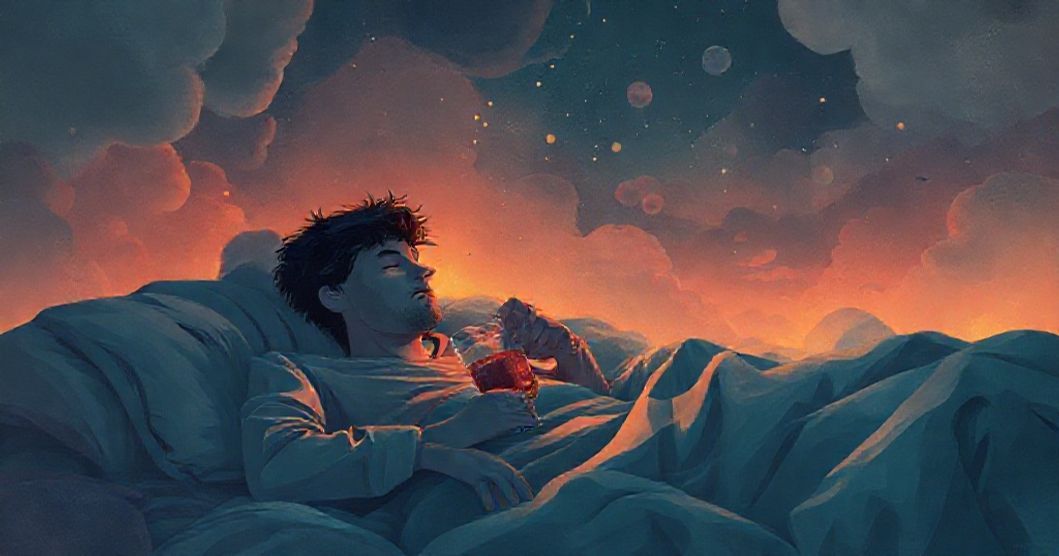
The Drunken Dreamer: Unpacking Dreams of Impairment and Uncontrolled Emotion
Part 1: Dream Presentation
Dreams often serve as psychological barometers, reflecting the hidden currents of our emotional lives. For this 22-year-old individual with an exceptionally vivid dream life, recent nocturnal experiences have introduced a striking new narrative thread: a recurring state of intoxication that manifests with disorienting physical and mental symptoms.
The dreamer describes themselves as a lifelong, intensely vivid dreamer—so much so that waking up sometimes leaves them questioning reality. Their dreams are characterized by emotional intensity and symbolic resonance, frequently reconnecting them with forgotten people or buried memories. However, a recent shift has transformed these dreams into disturbing scenarios of profound impairment: they find themselves drunk or drugged, physically unsteady (unable to stand straight), cognitively fogged (slurred speech, muddled thoughts), and trapped in a state of uncontrollable panic. The recurring environments and characters suggest unresolved themes rather than random imagery, creating a narrative that feels both urgent and perplexing.
The dreamer’s key emotional response—panic and disorientation despite lack of real-world substance use—highlights a critical question: what do these dreams reveal about the unconscious mind’s attempts to process waking life experiences?
Want a More Personalized Interpretation?
Get your own AI-powered dream analysis tailored specifically to your dream
🔮Try Dream Analysis FreePart 2: Clinical Analysis
Symbolic Landscape: The Language of Impairment
The central symbol in this dream is intoxication, a recurring motif that transcends literal interpretation. In dream psychology, alcohol or drug imagery rarely represents literal indulgence; instead, it typically symbolizes loss of control, emotional numbing, or the expression of repressed aspects of self. The physical symptoms—unsteady gait, slurred speech, and cognitive fog—are particularly significant, as they represent how these psychological states manifest in the body.
The dreamer’s inability to stand straight and think clearly may symbolize instability in waking life, while the visceral panic suggests that these feelings of impairment are not merely symbolic but emotionally charged. The