
Part 1: Dream Presentation
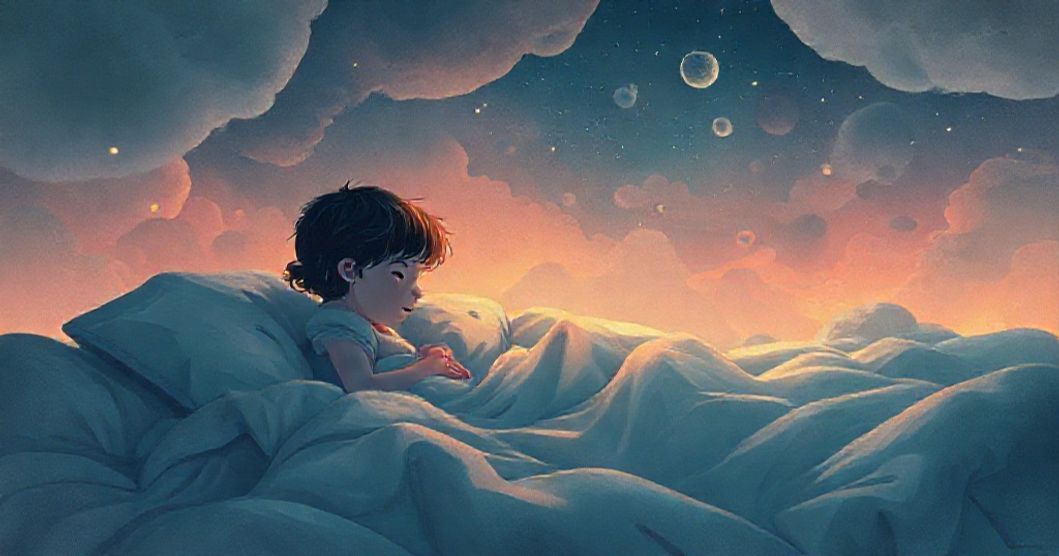
Dreams often serve as the mind’s way of revisiting emotional landscapes we thought buried beneath the surface of daily life. This particular dream, featuring a reunion with an ex-partner from six years prior, offers a rich tapestry of symbolic imagery and emotional resonance. As I lay in bed, the present moment of my dream began with quiet stillness—the kind that precedes unexpected memories. Then she appeared, bridging the gap of time to stand in my doorway, her presence both immediate and nostalgic. We engaged in small talk, the kind that feels familiar yet hollow, as if our relationship had been reduced to polite pleasantries. The manga she offered, wrapped in brown paper, carried the weight of shared history, a tangible link to a time when our interests intertwined deeply. When she vanished, the room felt empty, yet her return as a sleeping figure beside me created a paradox of absence and presence. The kiss on her forehead, tender and brief, encapsulated the dream’s emotional ambiguity: closure without resolution, comfort without clarity.
Part 2: Clinical Analysis
Symbolic Landscape: The Layers of Dream Imagery
Want a More Personalized Interpretation?
Get your own AI-powered dream analysis tailored specifically to your dream
🔮Try Dream Analysis FreeThe bed in this dream functions as a powerful symbol of safety and vulnerability—the most intimate space of rest and connection. Its presence anchors the dream in emotional territory, suggesting the dreamer processes relationship themes within a context of personal security. The ex-partner, appearing after six years, embodies the anima/animus archetype from Jungian psychology: the unconscious representation of qualities we once valued in a relationship, now recontextualized through the lens of time. The manga, a shared interest, symbolizes the nostalgic residue of past passions, not necessarily the relationship itself. Its faded pages and unremembered title suggest the dreamer’s mind is not fixated on literal details but on the feeling of shared meaning. Her disappearance and return to sleep mirror the subconscious’s oscillation between avoiding and confronting unresolved emotions—like a mind that cannot fully let go but also cannot fully embrace reconnection.
Psychological Perspectives: Threads of Theory
From a Freudian lens, this dream may reflect repressed feelings or wish fulfillment—not necessarily a desire to reunite, but a need to process emotions tied to a significant relationship. The manga, as a symbol of shared identity, could represent a part of the self the dreamer misses or feels disconnected from. Jung’s concept of the shadow offers another angle: the ex-partner might embody a “shadow aspect” of the dreamer’s personality—qualities or experiences they disowned during the breakup, now reintroduced for integration. Modern cognitive psychology frames this as memory consolidation: dreams help process emotional memories, especially those with unresolved emotional valence. The six-year gap suggests the mind is now revisiting this memory not for romance, but for closure or self-understanding.
Emotional & Life Context: The Unseen Triggers
This dream likely arises from a subconscious processing of unfinished emotional business rather than current romantic interest. The dreamer mentions not thinking about the ex “during the day except for maybe once or twice,” indicating the relationship’s emotional weight persists in the unconscious. Potential triggers might include recent life transitions—new relationships, career shifts, or even the anniversary of the breakup. The manga gift, a specific object, hints at a narrative closure need: perhaps the dreamer feels their past self (or relationship) was unacknowledged or unprocessed. The contrast between the ex’s initial absence and her return to sleep suggests the mind oscillates between avoiding and embracing emotional resolution, a common pattern in dreams about significant past relationships.
Therapeutic Insights: Reflecting on the Dream’s Message
To integrate this dream’s insights, consider journaling about the emotions it evoked rather than literal interpretations. Ask: What did the manga symbolize in your relationship? Was there something you valued then that you’ve lost or changed now? The gentle kiss may signal a need to reconcile with a part of yourself—perhaps the version of you that was open, passionate, or carefree during that time. Consider if there’s closure needed: not necessarily with the ex, but with the self you were. Reflect on whether small talk in the dream mirrored current relationships—are you avoiding deeper connection in your present life? Finally, recognize that dreams like this are not predictions but invitations to explore the emotional undercurrents of your waking life.
FAQ Section
Q: Why did the dream feature a manga specifically?
A: The manga likely symbolizes shared interests or a specific memory tied to your relationship, representing a part of your identity you may now feel disconnected from. It could also reflect a longing for simplicity or shared passions.
Q: Does this mean I still have romantic feelings for my ex?
A: Dreams rarely indicate current romantic desire but often process emotional ties. The dream may reflect nostalgia, closure needs, or integration of past self, not active romantic interest.
Q: How can I use this dream to grow?
A: Reflect on what the dream’s elements (manga, kiss, small talk) represent in your life now. Journal about lost parts of yourself or unprocessed emotions, and consider if there’s closure work needed with past relationships or selves.