
Part 1: Dream Presentation
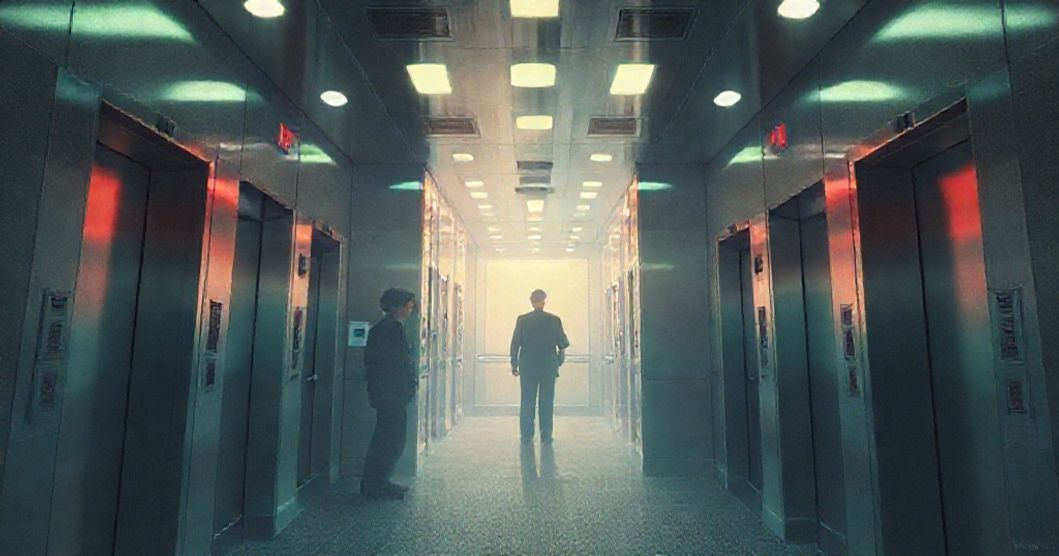
Dreams often serve as mirrors reflecting our unconscious thoughts and emotions, even when their logic seems defiantly illogical. In this vivid dream, you find yourself in a grand editorial space reminiscent of Ugly Betty’s dramatic office settings, yet infused with surreal elements that defy waking reality. You occupy a role at Vogue Scandinavia, an unexpected position given your American background and lack of direct connection to Scandinavian culture, while Yung Lean—an artist you haven’t engaged with in years—assumes the authority of Chief Editor. This incongruous scenario is punctuated by a malfunctioning elevator journeying to increasingly bizarre floors: one filled with chaotic printers, another a serene museum gallery adorned with purple flowers. The dream’s power lies in its juxtaposition of familiar professional tropes with deeply personal and symbolic imagery, inviting exploration of what these elements might reveal about your inner psychological landscape.
I found myself in a grand office building that evoked the editorial chaos of Ugly Betty’s Meade Publications, yet somehow more refined—a space where professional ambition clashed with unexpected whimsy. My role there was puzzlingly familiar yet entirely foreign: I worked as an employee at Vogue Scandinavia, though I’ve never visited Scandinavia and remain distinctly American. The most surreal aspect? Yung Lean, the Swedish rapper I’d not listened to in years, occupied the position of Chief Editor, overseeing my work with a calm authority that felt both right and utterly disorienting. When he assigned me a task on the 12th floor, I stepped into an elevator that defied logic. Instead of ascending smoothly, it shuddered to stops at floors that defied all sense of order. One moment I stood in a room where printers malfunctioned violently, paper cascading like snowdrifts across the floor in chaotic abandon; another, I found myself in a gallery space reminiscent of the Metropolitan Museum of Art’s Roman and Greek antiquities, its marble columns draped in vibrant purple flowers that seemed to bloom directly from the stone itself. The elevator’s random stops and jarring transitions left me adrift between these wildly contrasting environments, their meanings as elusive as the dream’s logic. I woke with the lingering confusion of someone who’d just navigated a labyrinth of symbols without a map, wondering how to make sense of this unexpected convergence of the mundane and the surreal.
Part 2: Clinical Analysis
Want a More Personalized Interpretation?
Get your own AI-powered dream analysis tailored specifically to your dream
🔮Try Dream Analysis FreeSymbolic Landscape: Decoding the Dream’s Visual Language
The malfunctioning elevator serves as a central metaphor for life’s unexpected transitions and uncertainties. Elevators universally symbolize ascension, opportunity, and the passage between states, while their malfunctioning nature introduces themes of control, direction, and the feeling of being adrift in professional or personal development. The 12th floor—often associated with completion, balance, or a threshold in numerology—suggests a significant goal or transition point you may be contemplating in waking life.
Yung Lean’s unexpected role as Chief Editor introduces layers of identity and authority. As a public figure you haven’t engaged with in years, he may represent an aspect of yourself that feels dormant or misunderstood—a creative impulse or artistic identity you once connected with but have since set aside. His position as authority figure hints at internalized expectations about success, leadership, or the need to take on new roles you never anticipated.
The printers on the chaotic floor embody themes of productivity, communication, and the pressure to produce results. Their malfunctioning state suggests feelings of being overwhelmed by responsibilities, creative blocks, or a sense that your work is out of control—papers flying like chaos, representing the inability to contain or organize your thoughts or efforts.
The museum-like final floor, with its Roman/Greek gallery and purple flowers, creates a powerful contrast to the preceding chaos. Museums symbolize cultural heritage, legacy, and the preservation of values—perhaps reflecting a desire for structure, purpose, or connection to something timeless amid life’s transitions. The purple flowers, vibrant and unexpected against classical architecture, introduce themes of beauty emerging from unexpected places, blending the sacred (antiquities) with the personal (floral beauty). Purple often symbolizes mystery, spirituality, and transformation, suggesting a layer of emotional depth or hidden meaning beneath surface chaos.
Psychological Undercurrents: Jungian and Freudian Perspectives
From a Jungian perspective, this dream may reveal the integration of disparate aspects of your personality. The elevator’s journey through symbolic landscapes represents the individuation process—the movement between conscious and unconscious, between different life stages or roles. Yung Lean, as a shadow figure or archetype of creative authority, might embody the 'wise old man' or 'trickster' archetype, challenging you to reconcile different aspects of yourself.
Freud would likely interpret the dream through the lens of repressed desires or unfulfilled professional aspirations. The unexpected Vogue Scandinavia role could represent a suppressed desire for creative expression or cultural influence, while Yung Lean’s presence might symbolize a repressed artistic identity or a longing for the kind of recognition associated with editorial authority. The printers’ chaos could reflect guilt or anxiety about work performance, while the museum floor represents the unconscious’s search for meaning and order.
Cognitively, the dream may reflect memory associations and the brain’s tendency to merge disparate experiences into a cohesive narrative during sleep. The Meade Publications reference from Ugly Betty taps into media-saturated cultural memory, while the museum imagery connects to your real-world experiences with art or architecture, creating a hybrid reality that your mind processes during dreaming.
Emotional and Life Context: Unpacking the Layers of the Dream
This dream likely emerges from a period of transition or uncertainty in your waking life. The unexpected role at Vogue Scandinavia suggests a desire to step into a more creative or culturally significant role, even if you haven’t explicitly acknowledged this desire. The fact that Yung Lean—an artist associated with Swedish rap and melancholic aesthetics—occupies the editorial position hints at a tension between different aspects of your identity: perhaps the desire for artistic expression versus conventional professional success.
The elevator’s random stops may mirror feelings of being pulled in multiple directions professionally or personally, with the chaotic printers representing the overwhelming nature of modern work demands. The museum floor, with its timeless beauty, could represent a longing for stability or a return to fundamentals in the face of uncertainty. Your American background, combined with the Scandinavian context, suggests themes of cultural identity and the blending of different influences—a metaphor for your own multicultural or hybrid sense of self.
Therapeutic Insights: Navigating the Dream’s Messages
This dream invites several practical reflections. First, consider journaling about recent career or life transitions: are you feeling pulled in unexpected directions? The dream suggests that integrating different aspects of yourself—even those you thought were dormant—is essential for moving forward with clarity.
Reflect on the contrast between the chaotic printers and the serene museum floor. Ask yourself: where in your life do you need more structure (museum) versus more flexibility (printers)? The answer might reveal a balance between creative chaos and intentional direction.
If Yung Lean’s presence feels significant, revisit your relationship with art and creativity. Has there been a project or passion you’ve abandoned? The dream may be urging you to reconnect with that part of yourself, even in small ways.
FAQ Section
Q: Why did Yung Lean appear as Chief Editor?
A: His unexpected role likely represents a dormant creative identity or unfulfilled artistic impulse you once connected with but have since set aside. He may symbolize the need to reclaim or reconcile different aspects of yourself.
Q: What does the elevator malfunction mean?
A: Malfunctioning elevators often reflect feelings of losing control in life transitions. The random floors suggest uncertainty about your path, with each stop representing a different challenge or opportunity.
Q: Why the contrast between chaos (printers) and beauty (museum)?
A: This contrast mirrors the tension between overwhelm and purpose in your life. The museum floor represents your need for structure and meaning, while the printers symbolize the messy reality of achieving those goals. Both are necessary parts of growth.