
Part 1: Dream Presentation
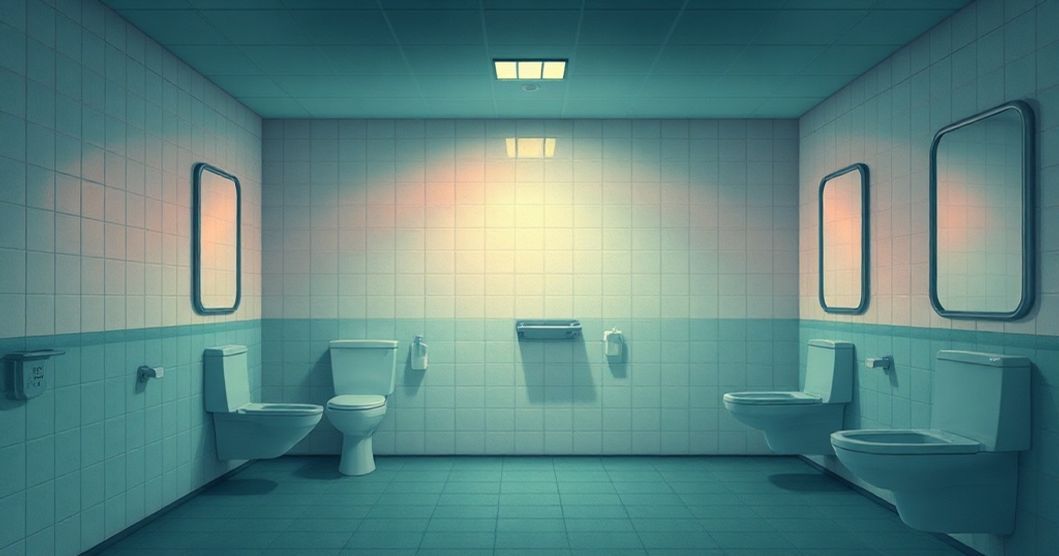
Dreams often serve as our unconscious’s way of processing unresolved emotions, physical sensations, and psychological tensions. This particular dream—recurring with remarkable consistency—unfolds as a visceral exploration of bodily control and privacy in the face of external intrusion. The dream begins with the urgent physical sensation of needing to urinate, a primal human need that translates into a surreal scenario where public exposure collides with personal privacy. As the dreamer navigates through crowded restaurants and open public spaces, the absence of private restroom facilities becomes a powerful symbol of vulnerability: every toilet stands exposed, a stark reminder of how easily one’s most intimate bodily functions can be stripped of privacy in unfamiliar or uncomfortable environments.
The dream’s tension escalates when the dreamer finally locates a private bathroom, only to be interrupted by the door violently shaking or breaking open. This disruption introduces a new layer of conflict—personal relief threatened by external forces. The dreamer’s internal monologue about bedwetting adds another dimension, suggesting a deeper fear of losing control over bodily functions, a fear that manifests as a protective mechanism from the subconscious mind. The emotional journey—from urgency and desperation to relief and then panic—mirrors the waking experience of struggling with personal boundaries and external pressures.
Part 2: Clinical Analysis
Want a More Personalized Interpretation?
Get your own AI-powered dream analysis tailored specifically to your dream
🔮Try Dream Analysis FreeSymbolic Landscape: The Bathroom as a Metaphor for Privacy and Control
To interpret this dream, we must first examine the symbolic language of its key elements. The bathroom itself represents the most intimate of bodily spaces—a place where we exercise control over our physical needs. In this dream, the public exposure of toilets transforms this space into a battlefield of privacy: the open, unenclosed restrooms symbolize situations where the dreamer feels vulnerable, exposed, or out of control in waking life. The recurring theme of searching for privacy mirrors the universal human desire to maintain boundaries, whether in relationships, work, or social interactions.
The private toilet that fails to provide security introduces a paradox: the dreamer seeks safety but encounters disruption. This mirrors real-life experiences where we attempt to create private moments or spaces, only to have external pressures—whether from others, societal expectations, or internal anxieties—interrupt our sense of control. The door’s violent shaking or breaking symbolizes these external forces: they don’t just intrude; they shatter the illusion of safety we’ve created for ourselves.
Psychological Perspectives: Freud, Jung, and Modern Dream Theory
From Sigmund Freud’s perspective, this dream taps into the unconscious’s processing of repressed desires and bodily functions. Freud viewed dreams as the “royal road to the unconscious,” and urination dreams often relate to unresolved conflicts around control and submission. The dreamer’s fear of bedwetting might represent a deeper anxiety about losing control in other aspects of life—perhaps fears of failing at work, disappointing others, or losing self-agency.
Carl Jung would likely interpret this dream through the lens of collective unconscious archetypes. The “shadow” aspect of the psyche—representing repressed or unacceptable aspects of self—might manifest here as the fear of exposure. Jung also emphasized that recurring dreams often address themes the conscious mind has not yet integrated, suggesting the dreamer may be avoiding confronting certain personal boundaries or vulnerabilities.
Modern cognitive psychology offers another framework: stress dreams. The dream’s connection to real-life urgency (needing to pee) suggests it’s processing physiological stress or anxiety. When the mind is preoccupied with external pressures, it often translates these concerns into bodily functions in dreams, using the most primal symbols to communicate underlying tensions.
Emotional & Life Context: Unpacking the Layers of Control
Bathroom dreams like this rarely exist in isolation; they reflect waking life experiences with privacy, control, and vulnerability. The dreamer’s association with childhood bedwetting hints at early experiences of losing control—a significant emotional trigger that may resurface in adulthood. Perhaps the dreamer is currently facing situations where they feel similarly out of control: work deadlines, relationship conflicts, or social pressures that demand they “perform” a certain way while feeling exposed.
The recurring nature of the dream suggests these themes are unresolved. The public exposure of toilets might symbolize feeling watched or judged in social interactions, while the disruptive door represents relationships or environments that feel intrusive. The dreamer’s internal monologue about “preventing bedwetting” reveals a subconscious protective mechanism—an attempt to maintain control over one’s body and emotions, even when external forces threaten to disrupt this balance.
Therapeutic Insights: Navigating the Dream’s Messages
For the dreamer, this recurring dream offers an opportunity for self-reflection and growth. One practical exercise is to journal about specific waking situations that feel like “public exposure”—moments where privacy is violated or personal needs are ignored. This can help identify patterns in relationships or environments that trigger similar feelings of vulnerability.
Exploring boundaries is another key insight. The dream suggests the subconscious is advocating for stronger personal boundaries. Practicing small acts of boundary-setting in daily life—whether saying “no” to unreasonable requests or creating physical space in relationships—can help externalize the internal conflict seen in the dream.
Additionally, addressing the fear of losing control requires acknowledging that vulnerability is not weakness. The dream’s message might be that allowing oneself to be vulnerable (even in small ways) can reduce the anxiety of “exposure.” Mindfulness practices, particularly those focusing on bodily awareness, can help the dreamer differentiate between real physical needs and the psychological “need to control” that drives the dream’s tension.
FAQ Section
Q: Why do I keep having dreams about public bathrooms?
A: Recurring bathroom dreams often reflect unresolved anxieties about control, privacy, or exposure. They may stem from waking stress, relationship issues, or fears of losing self-agency. The public exposure symbolizes feeling watched or judged in certain situations.
Q: Does this dream mean I’m afraid of bedwetting?
A: While the dreamer’s association with bedwetting is significant, the deeper meaning is about control. The “protection” from bedwetting represents a subconscious attempt to maintain order, even as external pressures threaten this control.
Q: How can I stop this recurring dream?
A: Focus on waking life boundary-setting and mindfulness. Journal about triggers, practice relaxation techniques for anxiety, and explore vulnerability in safe relationships. This helps resolve the underlying conflict the dream represents.