
Part 1: Dream Presentation
Dreams of ascending spaces often serve as portals to the unconscious mind’s deepest landscapes, where our innermost desires, fears, and unresolved emotions manifest in symbolic form. This particular dream narrative unfolds as a journey through architectural metaphor and psychological territory, revealing the dreamer’s relationship with growth, exploration, and self-discovery.
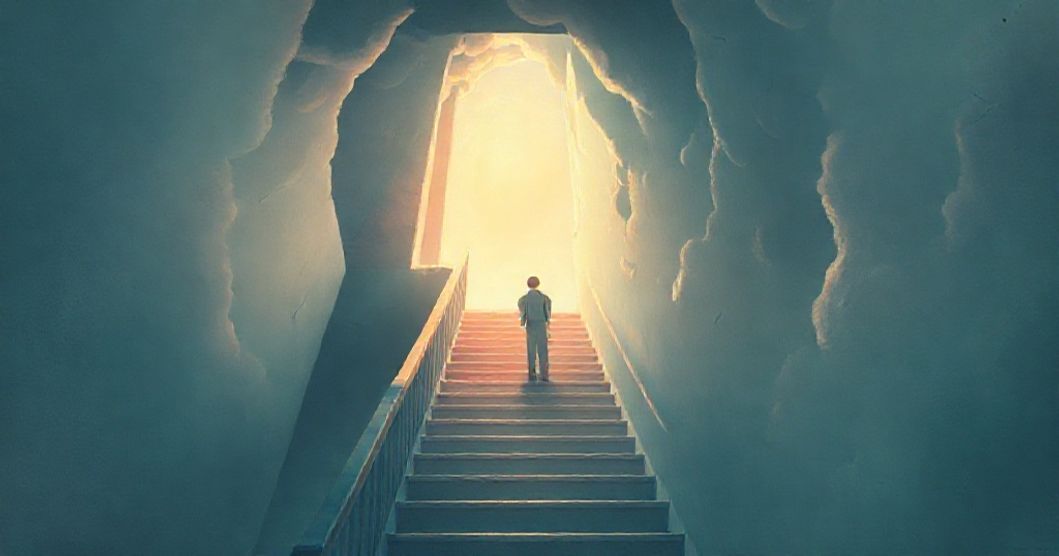
The dream begins with a familiar domestic setting—the house—and the decision to explore its attic, a space traditionally associated with forgotten memories, hidden treasures, and the unknown. What initially appears as an ordinary attic transforms into a journey upward, guided by a long, creaking staircase that stretches beyond the dreamer’s immediate perception. The staircase, with its shifting, uneven steps and protesting creaks, becomes a physical manifestation of life’s challenges, while the ascent itself represents the dreamer’s willingness to confront these challenges. Reaching a secret spot—a cozy, solitary nook—marks the culmination of this journey, a place of peace and accomplishment that the dreamer claims as their own.
The dream’s emotional tone is one of cautious excitement and eventual satisfaction. The creaking stairs introduce a subtle tension, suggesting that growth requires effort and resilience, yet the dreamer persists, driven by an innate curiosity about what lies ahead. The secret spot, with its armchair and unreadable books, symbolizes a sanctuary of self-knowledge—a place where the dreamer can rest, reflect, and connect with their authentic self.
Want a More Personalized Interpretation?
Get your own AI-powered dream analysis tailored specifically to your dream
🔮Try Dream Analysis FreePart 2: Clinical Analysis
Symbolic Landscape: Staircases, Attics, and Secret Spots
The staircase in this dream serves as a powerful symbol of life’s upward journey, reflecting the dreamer’s relationship with growth and self-development. In dream psychology, staircases typically represent progress, transition, and the steps we take toward achieving our goals. The length of the staircase amplifies this symbolism, suggesting a significant journey rather than a minor hurdle—a metaphor for major life changes or deepening self-exploration.
The attic itself is a richly symbolic space, traditionally associated with hidden memories, repressed thoughts, and the “unseen” aspects of our lives. In Jungian psychology, attics often represent the shadow self—parts of ourselves we have not yet acknowledged or integrated. The dreamer’s decision to explore the attic indicates a conscious or unconscious desire to confront these hidden aspects, to bring them into the light of awareness.
The creaking stairs introduce a sensory element that adds emotional depth to the dream. The sound of creaking wood suggests instability, uncertainty, or the weight of past experiences pressing down on the present moment. This physical sensation mirrors the psychological tension between comfort and discomfort, safety and adventure—a common theme in dreams of exploration.
The secret spot represents the culmination of the journey, a place of refuge and self-discovery. In dream symbolism, such private spaces often signify the dreamer’s need for solitude, reflection, and connection with their inner truth. The armchair and unreadable books suggest a space for contemplation and self-exploration, where the dreamer can “read” their own mind and understand their deepest motivations.
Psychological Perspectives: Jungian, Freudian, and Modern Interpretations
From a Jungian perspective, this dream reflects the individuation process—the journey toward integrating conscious and unconscious aspects of the self. The attic, as a hidden space, represents the shadow, while the staircase symbolizes the process of ascending to higher levels of awareness. Jung believed that dreams of ascending often indicate a movement toward self-realization and the integration of previously fragmented parts of the psyche.
Freudian analysis might interpret the attic and staircase as manifestations of repressed desires or childhood memories. The “secret spot” could represent a wish for privacy or a longing to escape into a safe, personal space—a common theme in dreams of refuge. However, unlike Freudian interpretations that often focus on repressed sexual or aggressive urges, this dream’s positive emotional tone suggests a more developmental rather than neurotic interpretation.
Modern cognitive psychology views dreams as a way to process and consolidate waking experiences, integrating new information into existing mental frameworks. The staircase could represent the dreamer’s attempt to organize and make sense of complex life events, while the attic serves as a metaphorical “file cabinet” for memories and experiences. The secret spot might then be a mental “safe space” where the dreamer can process these experiences and emerge with a clearer sense of direction.
Emotional and Life Context: Unconscious Urges for Exploration
The dream’s recurring theme of exploration suggests the dreamer’s current life context may involve a desire for growth or change. The attic, with its hidden treasures, could symbolize untapped potential or unfulfilled goals waiting to be discovered. The dream’s infrequency—“I don’t get them often”—indicates that these moments of self-exploration are rare but significant, occurring when the dreamer is ready to confront deeper aspects of themselves.
The emotional tone of the dream—“fun whenever I do”—reveals a positive relationship with the journey of self-discovery. The dreamer finds value in the process of ascending, even when it is challenging, suggesting resilience and an open-minded approach to life’s difficulties. The secret spot, claimed as “my own,” indicates a sense of ownership over one’s discoveries—a sign of emerging confidence and self-assurance.
In waking life, this dream might reflect the dreamer’s need for more personal space, reflection time, or a break from routine. The attraction to high places (attics, rooftops) in waking life could be a physical manifestation of this psychological need, as if the body is craving the same kind of exploration and solitude the mind experiences in dreams.
Therapeutic Insights: Navigating the Staircase of Self-Discovery
This dream offers several therapeutic insights for the dreamer. First, it validates the importance of self-exploration and the courage required to confront hidden aspects of oneself. The staircase, with its creaking steps, reminds us that growth is rarely smooth; it requires persistence and resilience in the face of uncertainty.
A practical reflection exercise could involve journaling about recent life changes or challenges, noting how they feel similar to ascending the staircase in the dream. By mapping these experiences, the dreamer can identify patterns in their approach to growth and resilience.
For the long-term, the dream suggests the value of creating regular “secret spots” in daily life—physical or mental spaces dedicated to reflection, self-care, and connection with one’s inner truth. This could involve setting aside time each day for solitude, meditation, or creative pursuits, allowing the mind to rest and process experiences without external distraction.
The dream also encourages the dreamer to embrace the uncertainty of growth. The unreadable books and unknown landscape outside the secret spot symbolize the mystery of life and the beauty of not having all the answers. By cultivating curiosity and acceptance of the unknown, the dreamer can develop a healthier relationship with change and self-discovery.
FAQ Section
Q: What does it mean when I dream about ascending a long staircase?
A: A long staircase in dreams often represents significant life changes or deep self-exploration. It suggests you’re on a journey of growth, facing challenges with resilience, and seeking to discover new aspects of yourself.
Q: Why do I keep dreaming about attics?
A: Attics symbolize hidden memories, repressed thoughts, or the shadow self. Repeated attic dreams may indicate a desire to confront these hidden aspects, integrate them into your conscious self, and gain a more complete understanding of who you are.
Q: What is the significance of the “secret spot” in my dream?
A: The secret spot represents a sanctuary of self-knowledge—a place where you can rest, reflect, and connect with your authentic self. It suggests you value solitude, self-care, and the pursuit of inner peace amidst life’s challenges.