
Part 1: Dream Presentation
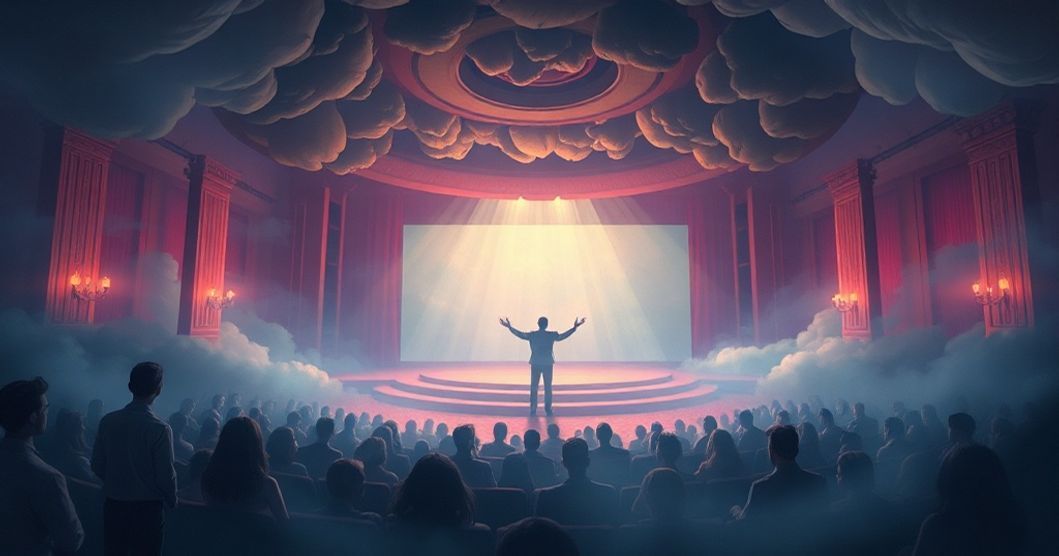
Dreams have long served as windows into the unconscious, and for this dreamer, the recent shift from fleeting, forgettable dreams to vivid, movie-like experiences represents a significant departure from their usual pattern. As they describe it, most dreams vanish within minutes of waking—whether they were nightmares or pleasant reveries—yet exceptions emerge: dreams carrying spiritual messages, glimpses of past lives, and one particularly impactful nightmare. What makes the recent dreams extraordinary is their cinematic quality: they unfold like full productions with detailed narratives, characters, and settings, yet the dreamer notes an ironic contrast: in waking life, they struggle with visualizing images, experiencing only words rather than mental pictures. This paradox—dreaming with exceptional clarity while struggling to visualize in waking life—creates a fascinating psychological landscape worth exploring.
Part 2: Clinical Analysis
Symbolic Landscape: The Cinematic Dream as Psychological Canvas
Want a More Personalized Interpretation?
Get your own AI-powered dream analysis tailored specifically to your dream
🔮Try Dream Analysis FreeThe recurring theme of “cinematic dreams” offers rich symbolic territory. In dream theory, film-like dreams often represent the dreamer’s attempt to process complex emotional narratives or integrate fragmented experiences into coherent stories. The mafia movie analogy may symbolize themes of power, control, or hidden agendas in waking life, while romantic comedies could reflect yearnings for connection or resolution. The dreamer’s difficulty with visualization in waking life—experiencing only words—contrasts sharply with their ability to “see” in dreams, suggesting a deeper division between conscious and unconscious processing. The “spiritual works” and “past lives” exceptions hint at archetypal themes of soul searching, karmic connections, or unresolved spiritual questions, suggesting the unconscious is actively integrating these themes through narrative.
Psychological Perspectives: Layers of Dreaming
From a Jungian perspective, these vivid dreams may represent the emergence of the “shadow” or the integration of repressed material into conscious awareness. The dreamer’s usual forgetfulness could signify a defense mechanism against overwhelming emotions, while the recent recall suggests a shift in psychological flexibility. Freud might interpret the cinematic quality as wish fulfillment—dreams as a “royal road to the unconscious” where unmet desires are visualized. Cognitive psychology offers another lens: dreams as part of memory consolidation, where the brain processes emotional experiences. The dreamer’s ability to recall details suggests enhanced memory encoding during sleep, possibly linked to increased emotional engagement or stress.
Emotional & Life Context: The “Why Now?” Question
The timing of these vivid dreams coincides with a period of curiosity and openness to spiritual exploration, as indicated by the mention of “spiritual works” and “messages.” This suggests the dreamer may be in a phase of psychological growth, where the unconscious is responding to new interests, questions about identity, or attempts to process life transitions. The contrast between struggling with visualization in waking life and thriving in dream imagery could reflect a desire to break free from linear, word-based thinking and embrace more experiential, sensory modes of understanding. The “mafia movies” and “romcoms” may mirror internal conflicts between control and surrender, power and vulnerability—common themes in personal growth journeys.
Therapeutic Insights: Honoring the Cinematic Dreamer
For the dreamer, these vivid dreams offer an opportunity to practice active dreamwork. Keeping a dream journal specifically for these detailed narratives could help map recurring themes and symbols. The contrast between waking and dream visualization suggests the need to bridge these two realms through creative exercises: drawing dream scenes, using film as a medium for self-expression, or engaging in guided imagery to strengthen visualization skills. The “spiritual works” exceptions may indicate a natural affinity for synchronicity and meaningful coincidences, which can be cultivated through mindfulness practices that enhance present-moment awareness.
FAQ Section
Q: Why do I forget most dreams but remember these movie-like ones?
A: Dreams are often forgotten due to the brain’s prioritization of waking memories. Your vivid dreams may have engaged deeper emotional or symbolic processing, triggering stronger memory consolidation. The “exceptions” suggest these dreams touched on archetypal or personally significant themes.
Q: What does it mean that my dreams feel like movies but I can’t visualize with my eyes closed?
A: This contrast highlights the difference between “active” dreaming imagery and “passive” visualization. Dreams bypass conscious filters, allowing raw emotional content to surface as narrative. Your waking struggle may relate to conscious control over imagination, while dreams offer a more authentic, unfiltered visual experience.
Q: Should I interpret the “spiritual works” and “past lives” dreams as literal or symbolic?
A: In dream analysis, literal interpretations are less common than symbolic ones. These phrases likely represent the unconscious processing spiritual questions, past experiences, or soul-searching themes. Consider them as metaphors for self-exploration rather than literal past-life memories.
Keywords: vivid dreams, cinematic dreams, visualization contrast, dream recall, spiritual dreams, past life imagery, dream memory, emotional narrative Entities: cinematic dream symbolism, visual-spatial contrast, spiritual dream themes, dream integration, waking-visualization gap