
Part 1: Dream Presentation
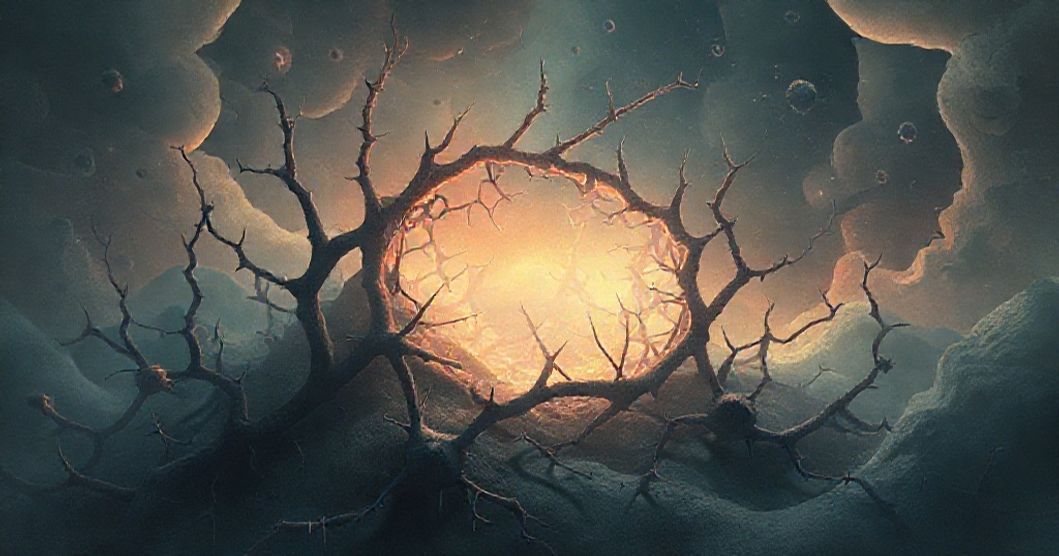
Dreams often serve as a language of the unconscious, speaking in symbols that bypass our waking defenses. This particular dream arrives as a haunting refrain, repeating with variations that grow more visceral each night. In these dreams, I find myself with pins, thorns, and spikes—each more insidious than the last—penetrating my skin. The pain is not just physical; it’s emotional, a sense of being violated from within. The thorns and pins take many forms: ancient bone-like quills that feel both organic and foreign, metallic pins that glint with cold indifference, and cactus thorns with barbs that catch and resist removal. No matter how many I pull out, new ones emerge, as if my body itself is generating these weapons of discomfort. What makes this dream so disorienting is my usual lucid dreaming ability—normally, I can navigate dreamscapes, merge realities, and wake myself at will. Yet with these dreams, my powers fail. When I attempt to break free, the dream pulls me back, trapping me in a cycle of pain and repetition. I lie awake afterward, still feeling the phantom pricks, wondering if this is a curse or a message.
Part 2: Clinical Analysis
Symbolic Landscape: The Body as a Canvas of Internal Conflict
Want a More Personalized Interpretation?
Get your own AI-powered dream analysis tailored specifically to your dream
🔮Try Dream Analysis FreeThe recurring imagery of pins, thorns, and spikes growing from the body is rich with symbolic potential. In dream psychology, the body often represents the self or the psyche, and foreign objects embedded within it typically signify elements of ourselves that feel alien, invasive, or out of control. The progression of different types of sharp objects—bone-like, metallic, and cactus thorns—suggests a multifaceted internal struggle: bone quills might represent deep-seated emotional wounds or ancestral patterns, metallic pins could symbolize external pressures or societal expectations, and cactus thorns might signify the difficulty of navigating emotional boundaries or relationships that feel 'prickly' and unyielding. The inability to remove these objects mirrors a core psychological theme: the sense that some struggles are deeply embedded, requiring more than willpower to resolve. In Jungian terms, these embedded objects could be seen as manifestations of the shadow self—parts of ourselves we’ve disowned or suppressed, now emerging as painful reminders of our unresolved issues.
Psychological Currents: Lucid Dreaming and the Unconscious Resistance
As a lucid dreamer, the dreamer has a unique relationship with their unconscious mind—one of awareness and potential control. However, the fact that these specific dreams resist control suggests a deeper psychological dynamic: the unconscious is communicating something urgent that the conscious mind may be avoiding. Freud might interpret this as a repressed conflict that refuses to be resolved through ordinary waking awareness, manifesting in dreams as an inescapable force. From a Jungian perspective, the dream could represent the activation of the shadow archetype—a part of the psyche that demands integration. The inability to 'wake up' from these dreams might symbolize a resistance to confronting certain truths about oneself or one’s life circumstances. Cognitive neuroscience research suggests that dreams, especially those involving recurring themes, may serve as emotional processing mechanisms. If the dreamer is experiencing high levels of stress or emotional overwhelm, the unconscious might use this recurring imagery as a way to process these feelings, even when the conscious mind tries to escape. The persistence of the dream despite lucid awareness suggests that the emotional content is too powerful to be easily dismissed or controlled.
Emotional & Life Context: Unprocessed Pain and Stagnation
The visceral pain described in the dream likely reflects waking emotional states. If the dreamer is experiencing unaddressed anxiety, stress, or emotional conflict, the body might manifest these tensions as physical discomfort. The recurring nature of the dream suggests that these issues have been present for some time, accumulating like thorns beneath the skin. The inability to remove the pins could symbolize feeling stuck in a situation or relationship that feels inescapable. Cactus thorns, with their barbed structure, might specifically represent relationships that are painful but difficult to leave, or boundaries that are being violated repeatedly. The metallic pins could signify societal pressures or professional expectations that feel externally imposed and unyielding. The dreamer’s sense of 'curse' might stem from feeling that these issues are beyond their control, creating a cycle of helplessness that reinforces the pain. Waking life context—such as recent stressors, relationship changes, or unmet expectations—could be triggering this dream as the unconscious seeks to process these emotions.
Therapeutic Insights: Integrating Dream Wisdom into Daily Life
Dreams like this offer valuable clues for personal growth. The first step is to approach the dream with curiosity rather than fear, recognizing it as a guide rather than a curse. Journaling exercises can help the dreamer explore the emotions associated with the pins and thorns—what do they represent in waking life? Are there relationships or situations that feel invasive or painful? The act of pulling out the pins in the dream might symbolize the courage needed to confront these issues in waking life. Mindfulness practices, particularly body awareness, can help the dreamer connect with physical sensations that mirror the dream’s pain, allowing for emotional release. For the lucid dreaming aspect, the dreamer might experiment with 'dream incubation'—intentionally setting an intention before sleep to address these issues. In therapy, techniques like active imagination (Jungian) could help integrate the shadow elements represented by the pins and thorns, transforming them from a source of pain to a source of self-knowledge. The dream’s persistence suggests that these issues require attention, not avoidance, and working through them can lead to greater emotional freedom.
FAQ Section: Navigating the Dreamer’s Questions
Q: Why am I unable to control these dreams despite being lucid?
A: Your lucid dreaming ability suggests conscious awareness, but the dream’s persistence likely reflects unconscious resistance to processing certain emotions. The mind may protect itself by making these dreams feel inescapable, requiring deeper emotional work rather than mere willpower.
Q: What do different types of thorns/pins symbolize?
A: Bone-like quills may represent ancestral or deep-seated emotional wounds, metallic pins external pressures, and cactus thorns relational boundaries or difficult people. Each type mirrors a distinct aspect of your internal or external struggles.
Q: How can I use this dream insight in my daily life?
A: Reflect on relationships or situations that feel 'prickly' or inescapable. Journal about physical sensations in waking life that mirror the dream’s pain. Practice self-compassion, acknowledging that these struggles are valid and worthy of attention, not just removal.