
Part 1: Dream Presentation
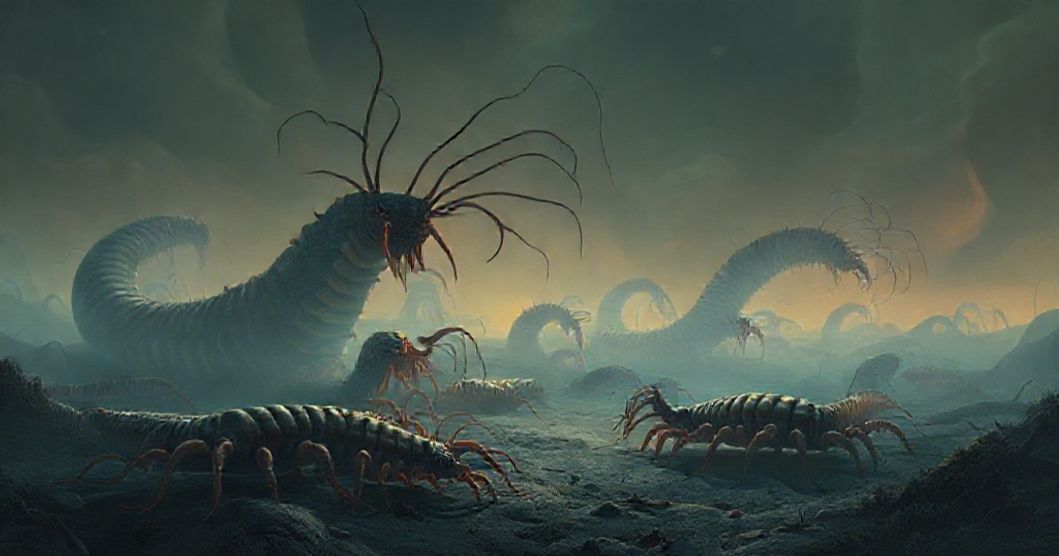
Dreams have an uncanny way of mirroring our inner lives, often using vivid, sometimes terrifying imagery to communicate messages our waking minds cannot fully articulate. In this recurring dream, the dreamer confronts enormous black centipedes with iridescent, polished backs and bright yellow feet—creatures that move with serpentine fluidity yet inspire primal fear. The dream’s power lies in its visceral realism: the sharp, electric pain of the bites, the sense of being overwhelmed by something both numerous and relentless, and the persistent recurrence that suggests an urgent message waiting to be understood.
The rewritten dream narrative captures these elements: the centipedes’ physical characteristics (black, shiny exoskeletons, yellow feet), the dream settings (childhood bedroom, endless hallways), the predatory action of biting, and the dreamer’s visceral response (fear, revulsion, the lingering pain upon waking). This recurring nightmare, with its emphasis on size, movement, and painful contact, offers a window into the dreamer’s emotional landscape and unconscious conflicts.
Part 2: Clinical Analysis
Want a More Personalized Interpretation?
Get your own AI-powered dream analysis tailored specifically to your dream
🔮Try Dream Analysis FreeSymbolic Landscape: Unpacking the Centipede Imagery
The giant centipede in dreams typically embodies themes of overwhelm and multiplicity. In this specific dream, the creature’s black, polished exoskeleton suggests protection or armor, while the yellow feet introduce a contradictory element of vulnerability or warning. Yellow often symbolizes attention, caution, or hidden truths in dream imagery, hinting that the dreamer may be ignoring subtle signals in waking life. The centipede’s segmented body and numerous legs represent the feeling of being pulled in multiple directions—perhaps by responsibilities, relationships, or conflicting desires.
The act of biting is particularly significant. Unlike smaller insects, these are giant centipedes, so the bite becomes a metaphor for something larger than the dreamer can handle—an issue or emotion that feels invasive and painful. The dream’s persistence, with the same creatures appearing across different settings, suggests this theme has not yet been resolved. The vivid pain of the bite, felt so acutely in the dream, indicates that this issue is emotionally charged, not just intellectually recognized.
Psychological Undercurrents: From Jung to Freud
From a Jungian perspective, the centipede could represent the shadow self—those aspects of the personality we fear or repress. The centipede’s many legs might symbolize the complexity of the unconscious mind, with each leg representing a different aspect of self that demands integration. The black coloration could signify the shadow’s unknown or feared qualities, while the yellow feet might represent the shadow’s attempt to alert the dreamer to overlooked details.
Freudian analysis would likely view the centipede as a manifestation of repressed fears or anxieties. The biting could symbolize unresolved anger or aggression, either directed inward or toward others. The centipede’s size and persistence might reflect the dreamer’s struggle with feeling overwhelmed by life’s demands, where even small problems feel magnified by underlying anxieties.
Neuroscience offers another lens: recurring nightmares often stem from unprocessed emotional material, with the brain’s default mode network replaying unresolved themes during sleep. The vivid sensory details (shiny exoskeletons, sharp pain) suggest activation of the amygdala, the brain’s emotional processing center, indicating these dreams are emotionally significant rather than random neural activity.
Emotional & Life Context: The Unseen Triggers
Recurring dreams rarely arise without cause. The centipedes’ presence may reflect a feeling of being besieged by multiple stressors in waking life—perhaps work pressures, relationship conflicts, or unmet expectations that feel like they’re “multiplying” and overwhelming the dreamer. The childhood bedroom setting in some dreams might indicate a return to a time when the dreamer felt more vulnerable, suggesting that current anxieties are echoing earlier feelings of powerlessness.
The color yellow, often associated with caution, might hint that the dreamer is ignoring warning signs in their life—perhaps a situation that feels “toxic” but has been rationalized away. The centipedes’ shiny backs could symbolize a polished exterior hiding something dangerous or unsettling beneath, reflecting a disconnect between how the dreamer presents themselves and their internal emotional state.
Therapeutic Insights: Unpacking the Dreamer’s Message
This recurring dream invites the dreamer to examine areas of their life that feel overwhelming or “invasive.” A practical first step is to keep a dream journal, noting not just the centipedes’ appearance but also the dream’s setting and the dreamer’s emotional response. This documentation can reveal patterns in how these themes manifest across different dreams.
The dreamer might benefit from exploring where in their life they feel “multi-tasking” or pulled in too many directions. Are there responsibilities or relationships that feel like they’re “biting” into their energy or peace of mind? Journaling exercises that visualize the centipedes and ask: What part of my life feels as relentless and inescapable as these creatures? can help identify specific areas needing attention.
In therapy, dream work could involve exploring the dreamer’s relationship with boundaries—are they setting limits with others, or allowing themselves to be overwhelmed by external demands? The centipede’s size and bite might represent a need to reclaim personal power, to stand firm against forces that feel invasive.
FAQ Section
Q: Why do I feel the pain of the bite so vividly in my dreams?
A: Vivid dream pain often reflects emotional significance. The body’s pain receptors activate in REM sleep, making emotional pain feel physically real. This suggests the bite symbolizes a deeper emotional wound needing attention.
Q: Could the centipedes represent something positive or protective?
A: While centipedes traditionally symbolize anxiety, some cultures view them as protectors against evil. Consider if the dream includes moments of calm or if the centipedes’ movement feels purposeful rather than purely destructive—this might indicate a need for adaptability rather than fear.
Q: How can I stop these recurring dreams?
A: Address the underlying anxiety first. Practice grounding techniques before sleep (focusing on breathing, sensory awareness), and journal about waking stressors. If the dreams persist, consider working with a therapist to unpack the symbolic messages they carry.