
Part 1: Dream Presentation
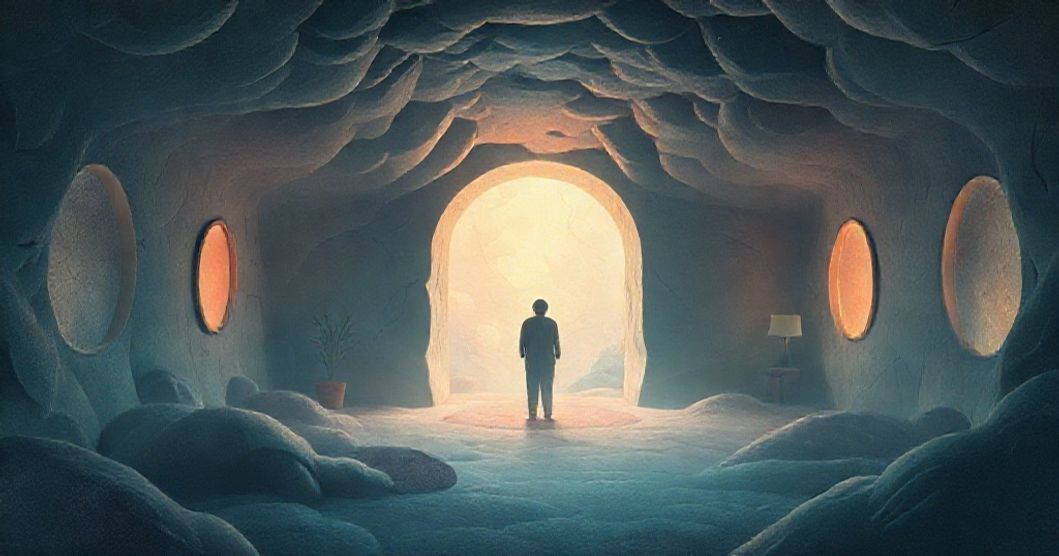
Dreams have a way of revealing what our waking minds might overlook, and for me, this recurring vision of hidden spaces in a childhood home has become a powerful metaphor for self-discovery. In these dreams, the familiar layout of rooms warps and rearranges itself, revealing spaces I never knew existed. Sometimes, I find myself standing before a hidden wing, its walls lined with soft, golden light and rooms adorned with delicate, forgotten treasures. The air hums with a sense of long-lost beauty, as if these spaces have been waiting for me to discover them my whole life. Other times, the dream shifts to shadowed hallways where secret passages materialize from plain sight—narrow corridors that open into dimly lit basements or attics filled with half-remembered childhood artifacts. The textures of these places feel both real and illusory: the cool stone of a forgotten basement, the smooth wood of a hidden door, the faint scent of dust and possibility in air that should have long ago settled. What strikes me most is the emotional paradox: each discovery ignites a thrill so sharp it feels almost physical, like my heart is trying to burst with recognition, yet beneath that excitement lies an undercurrent of unease—a sense that I’m trespassing on something sacred, or that these spaces hold answers I’m not ready to face. In these dreams, I never rush; I move slowly, savoring the revelation of each new corner, yet there’s always a nagging feeling that I’m missing something crucial, that these hidden rooms are not just architectural mysteries but reflections of parts of myself I’ve neglected or forgotten. The tension between discovery and dread leaves me with a bittersweet ache when I wake, as if my unconscious is gently urging me to explore the uncharted territories of my own psyche.
Part 2: Clinical Analysis
Symbolic Landscape: The Hidden Home as Unconscious Self
Want a More Personalized Interpretation?
Get your own AI-powered dream analysis tailored specifically to your dream
🔮Try Dream Analysis FreeThe childhood home in these dreams serves as a powerful archetype for the self, with its familiar yet transformable layout mirroring the fluid nature of identity. Jungian psychology would view this as a manifestation of the collective unconscious, where the home represents the foundational aspects of our personality shaped in early development. The 'hidden wing' with its 'beautiful rooms' embodies the 'anima/animus' archetype—the feminine/masculine aspects of self that remain partially developed or repressed. These spaces are not merely physical; they symbolize untapped potential, creative capacities, or emotional strengths that have been overlooked in waking life. The 'secret passages' and 'basements' represent the shadow self—the unconscious aspects of our personality we may disown or fear. The basement, in particular, carries associations with the underworld in mythology, a realm of transformation and rebirth.
The emotional duality of excitement and unease creates a compelling symbolic tension. The excitement reflects the ego’s recognition of something vital and long-awaited, while the unease signals the shadow’s resistance to being integrated. This paradox mirrors the universal human experience of self-discovery: we crave growth yet fear confronting aspects of ourselves that feel foreign or threatening. The 'half-remembered childhood artifacts' in the basements further emphasize the connection to early developmental experiences, suggesting that these hidden spaces may contain the roots of our current challenges or strengths.
Psychological Perspectives: Layers of Dream Interpretation
From a Freudian lens, these dreams might represent repressed memories or unfulfilled childhood desires. The 'beautiful rooms' could symbolize idealized versions of childhood, while the 'secret passages' might represent forbidden aspects of identity we’ve hidden to please others or fit societal expectations. The 'recurring' nature of these dreams suggests unresolved conflicts or repeated attempts to reconcile opposing aspects of self.
Cognitive psychology offers another framework, viewing dreams as a processing mechanism for emotional memories. The childhood home serves as a cognitive anchor, triggering the retrieval of fragmented memories or emotional states associated with early development. The 'rearranged' layout mirrors the brain’s natural tendency to reorganize information during sleep, with the hidden spaces representing new neural connections or insights.
Neuroscientifically, these dreams may reflect the brain’s default mode network—the area active during mind-wandering and self-referential thinking. The activation of this network during sleep could explain why the mind revisits themes of self-discovery, as the brain processes identity-related information while we rest.
Emotional & Life Context: Triggers and Unconscious Urges
These dreams often surface during periods of life transition or identity exploration. The 'hidden spaces' might emerge when the dreamer is facing major decisions, questioning their life path, or experiencing a period of personal growth. The childhood home as a symbol of roots and foundation suggests that the dreamer may be reconnecting with their origins or re-evaluating their core values.
The 'unease' component hints at resistance to change or fear of the unknown. If the dreamer is undergoing significant changes in career, relationships, or self-concept, the unconscious may express anxiety about leaving familiar patterns behind. The 'beautiful rooms' represent the allure of new possibilities, while the 'secret passages' represent the fear of the unknown path that lies beyond them.
For those experiencing these dreams during midlife transitions, the childhood home symbolizes the past, and the hidden spaces represent the self they’re becoming. The dreamer may be confronting unfulfilled potential or redefining their identity in light of new priorities.
Therapeutic Insights: Integrating the Hidden Self
These dreams offer valuable opportunities for self-exploration. Journaling exercises can help the dreamer map the different 'hidden spaces' and identify which aspects of self they correspond to. Keeping a dream journal to record recurring elements can reveal patterns in waking life stressors or emotional states.
Creative visualization practices can help the dreamer 'enter' these hidden spaces in waking life, imagining the rooms as manifestations of desired qualities. Guided meditation focusing on 'opening doors' to new aspects of self can reduce the anxiety associated with self-discovery.
Therapeutic work might involve exploring the shadow aspects represented by the 'basements' and 'secret passages,' using techniques like active imagination to integrate these previously hidden parts of the self. The dreamer can benefit from asking themselves: 'What aspects of myself have I hidden away? What new possibilities might these 'rooms' represent?'
FAQ Section
Q: Why do I feel both excited and uneasy when discovering these hidden spaces in my dreams?
A: This duality reflects the tension between the ego’s desire for growth and the shadow’s resistance to change. The excitement signals recognition of something vital, while the unease arises from confronting parts of yourself that feel foreign or threatening.
Q: How can I tell if these dreams are urging me to make changes in my life?
A: Notice if the 'beautiful rooms' evoke specific emotions or memories. If they feel inviting, they may signal untapped potential to explore. If they feel oppressive, consider areas where you’ve been avoiding growth.
Q: What if I never find the 'full meaning' of these dreams?
A: Dreams rarely offer definitive answers; instead, they invite ongoing exploration. The process of reflection and integration is more valuable than finding a single meaning. Each time you revisit these themes, you may uncover new insights.
Conclusion
The recurring dream of hidden spaces in a childhood home is a profound invitation to self-exploration. These dreams remind us that growth requires both courage and patience, as we navigate the tension between the known and the unknown. By embracing the mystery of these hidden rooms, we honor the complexity of human identity and the ongoing journey of becoming more fully ourselves. The 'unease' we feel is not a flaw but a natural part of the transformation process, urging us to approach self-discovery with both reverence and curiosity.