
Part 1: Dream Presentation
Dreams often serve as windows into our unconscious mind, revealing hidden emotions, unresolved conflicts, and emerging aspects of self that may remain inaccessible in waking life. In this case, the dreamer’s narrative unfolds through two distinct yet thematically connected dream experiences, each rich with symbolic imagery that invites exploration.
The first dream, occurring several months prior, introduces a litter of baby jaguars discovered within the safety of the dreamer’s home. These majestic creatures, typically symbols of power and primal energy in waking life, appear in their most vulnerable form as cubs—tiny, seemingly harmless, yet possessing the potential for great strength. The dreamer notes their unusual behavior: despite having fully developed paws and claws, the cubs allowed themselves to be picked up without aggression, a paradox of wildness and trust that hints at deeper psychological themes.
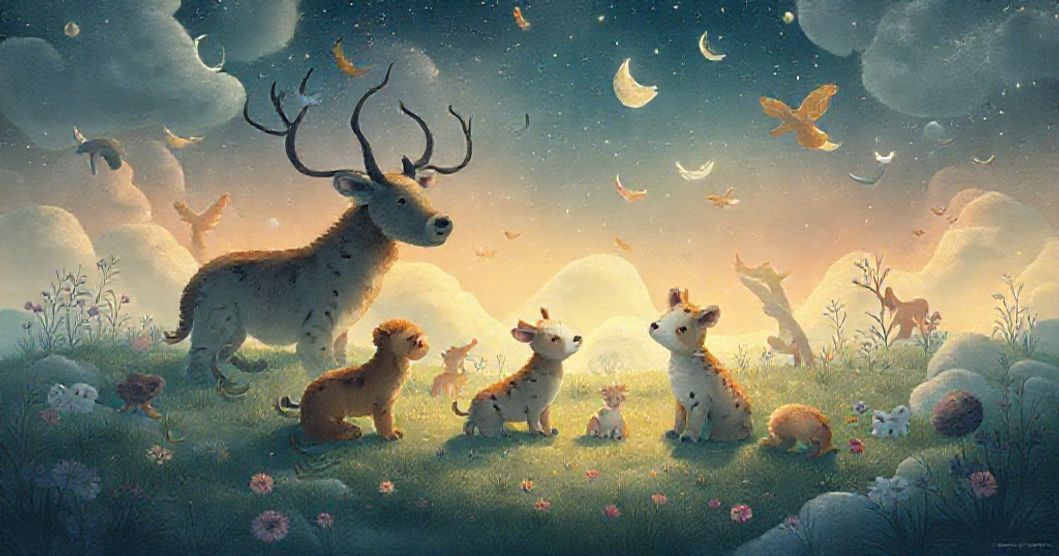
The second dream, occurring the following night, expands this menagerie with an even more diverse array of baby animals: tigers, monkeys, kittens, rats, and puppies. Each represents a different aspect of life or personality, yet all share the common thread of infancy and vulnerability. The dreamer’s mother appears, guiding them to recognize these hidden creatures, suggesting a protective maternal instinct or a need to acknowledge something previously overlooked. The act of photographing these animals underscores a desire to capture and preserve moments of significance, perhaps reflecting a waking need to document or cherish important experiences.
Want a More Personalized Interpretation?
Get your own AI-powered dream analysis tailored specifically to your dream
🔮Try Dream Analysis FreeA third, earlier dream—featuring the family cat surrounded by snakes—provides additional context. Here, the dreamer takes on a protective role, intervening to save the cat from danger. Notably, the dreamer feels no fear or pain when bitten by a snake, a curious emotional detachment that contrasts with waking reality. The next morning, the cat’s unusual presence outside the bedroom door adds synchronicity, suggesting the dream may have reflected or prepared the dreamer for a moment of connection with their pet.
Part 2: Clinical Analysis
Symbolic Landscape: The Menagerie of Baby Animals
The baby animals in these dreams represent multifaceted aspects of the dreamer’s inner world. Jaguars, as apex predators, symbolize untapped power and potential within the dreamer—particularly the tension between vulnerability and strength. The cubs’ willingness to be handled without aggression suggests a period of trust in one’s own capabilities, or perhaps a desire to embrace one’s natural assertiveness without fear of harm. The diverse species in the second dream—the wild tigers and monkeys alongside domestic kittens and puppies—reflect the dreamer’s integration of different life areas or personality traits. Each animal type carries its own symbolic weight: monkeys often represent curiosity and adaptability, while rats may symbolize hidden fears or overlooked details, and puppies embody loyalty and nurturing.
The mother figure’s presence introduces themes of protection and guidance, possibly reflecting the dreamer’s need for maternal support or a desire to embody nurturing qualities. Her instruction to “take pictures” suggests a conscious effort to document and process significant emotional experiences, indicating a healthy approach to introspection.
Psychological Currents: Jungian and Freudian Perspectives
From a Jungian perspective, these animal dreams align with the concept of the “shadow” archetype—the hidden, repressed aspects of self that seek integration. The baby animals represent these shadow elements in their most vulnerable form, yet the dreamer’s calm interaction with them suggests a growing awareness of these previously hidden parts. The jaguar, as a powerful animal, may symbolize the dreamer’s own untapped potential, emerging now in a more accessible, less threatening manner.
Freudian theory might interpret the animal dreams as manifestations of repressed desires or instincts. The domestic pets (cat and dog) could represent the dreamer’s need for companionship or nurturing, while the wild animals (jaguars, tigers) might symbolize repressed sexual energy or aggressive impulses. The dreamer’s calm reaction to the snake bite in the cat-saving dream could indicate a successful integration of these primal urges without fear or conflict.
Neuroscientifically, these dreams may reflect the brain’s processing of new experiences, particularly the recent addition of a cat and dog to the household. Dreams often consolidate emotional memories and problem-solve, suggesting the dreamer’s mind is working through the transition of welcoming these new family members into their life.
Emotional Landscape: Waking Life Context
The timing of these dreams coincides with the introduction of a cat and dog into the dreamer’s life, suggesting a period of adjustment and emotional adaptation. The dreamer’s previous fear of snakes (a common fear symbolizing danger or betrayal) contrasts with the calm reaction in the dream, indicating a shift in emotional resilience or a newfound ability to face challenges without distress.
The recurring theme of “hiding” animals in the second dream might reflect the dreamer’s tendency to overlook or suppress certain aspects of their life. The mother’s presence as a guide suggests the dreamer is seeking wisdom or reassurance during this transition period. The act of photographing the animals could represent a desire to externalize and make sense of these inner experiences, turning internal chaos into something tangible.
Therapeutic Insights: What This Dream Reveals
This dream invites the dreamer to embrace the paradox of strength and vulnerability. The baby animals, despite their wild origins, demonstrate trust and gentleness, suggesting that even our most powerful instincts can be expressed with care and compassion. The dreamer’s calm reaction to the snake bite in the cat-saving dream indicates a growing emotional resilience, a skill that can be cultivated in waking life by acknowledging fears rather than avoiding them.
Practical reflection exercises might include keeping a dream journal to document recurring animal symbols, noting how they evolve over time. This practice helps the dreamer track changes in their emotional landscape and identify patterns in their unconscious processing.
The synchronicity between the dream of the cat and the cat’s physical presence outside the door suggests the importance of listening to both internal and external cues. The dreamer might benefit from exploring how these animal symbols connect to real-life relationships and responsibilities, particularly regarding their new pets.
FAQ Section
Q: Why did the baby jaguars represent something different than the other animals?
A: Jaguars, as apex predators, symbolize primal power and potential. Their cub form suggests the dreamer is recognizing or nurturing this power in a vulnerable, accessible way, distinct from the more diverse, everyday animal imagery of the second dream.
Q: What does it mean when I feel calm while saving the cat from snakes?
A: This calmness suggests emotional resilience and a shift in how you process fear. It may indicate that you’ve developed new coping strategies or are integrating previously conflicting emotions, allowing you to face challenges with greater equanimity.
Q: How does getting a cat and dog relate to these animal dreams?
A: The introduction of these pets likely triggered a subconscious processing of new responsibilities, nurturing instincts, and the balance between wildness and domestication. The dreams may be helping you adapt to this transition by symbolically working through these new dynamics.