
The Chasing Bear and the Paradox of Flight: A Dream Analysis of Wild Animals and Psychological Boundaries
Part 1: Dream Presentation
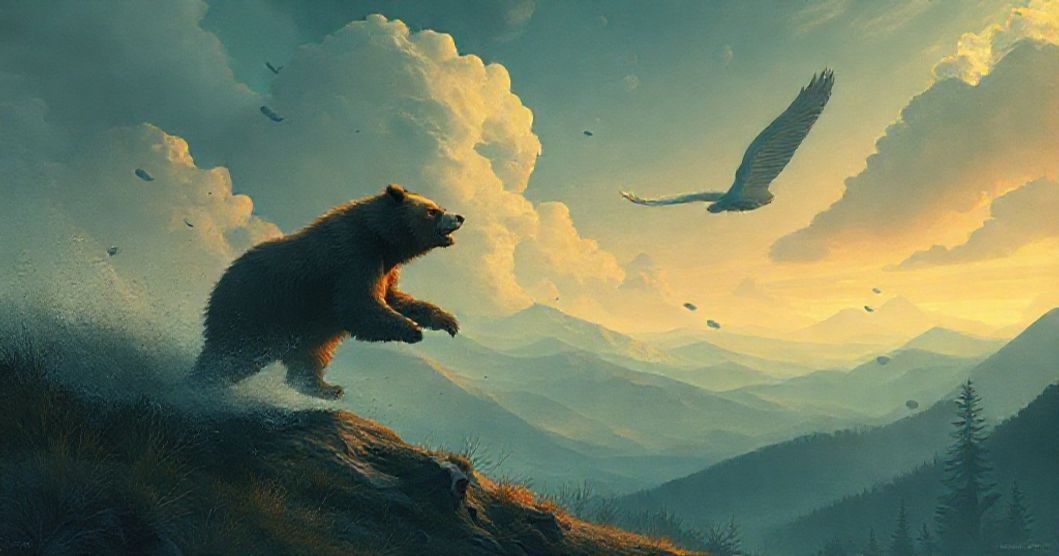
Dreams involving wild animals often carry an otherworldly intensity, their vividness and emotional charge lingering long after waking. A few days ago, I experienced such a dream—a surreal inversion of my familiar neighborhood, now overrun by numerous brown bears. The streets, once quiet and safe, now hummed with the presence of these majestic yet threatening creatures. Their massive forms lumbered through driveways and across lawns, their golden-brown fur catching the faint light of a dreamworld that felt both real and distorted. One particular bear, larger than the rest with a slightly lighter patch of fur on its shoulder, singled me out, its dark eyes fixed on me as it began a relentless chase. My heart raced, and in that moment, I discovered something extraordinary: I could fly. Yet the sensation was paradoxical—my body strained against gravity, as if my limbs remembered the difficulty of lifting off in waking life, yet I somehow soared above the rooftops, watching the bear’s powerful paws swipe at the air below me in frustration. The dream felt so tangible, so visceral, that when I woke, I couldn’t shake the lingering sense of unease—a different kind of nightmare, not purely terrifying but charged with a strange mix of fear and exhilaration.
Part 2: Clinical Analysis
Symbolic Landscape of the Dream
Want a More Personalized Interpretation?
Get your own AI-powered dream analysis tailored specifically to your dream
🔮Try Dream Analysis FreeThe dream’s symbolic elements converge to create a powerful psychological tableau. Brown bears, as archetypal figures in dreams, typically represent primal energy, raw strength, and untamed aspects of the psyche. Their presence in a neighborhood—an inherently safe, domestic space—suggests a disruption of familiar boundaries, signaling that the unconscious is confronting forces that feel both threatening and deeply personal. The single bear’s pursuit introduces a narrative of targeted conflict, while the dreamer’s ability to fly despite physical struggle introduces themes of transcendence and internal tension.
The neighborhood setting itself carries symbolic weight: it represents the dreamer’s sense of safety, comfort, and personal territory. When this space becomes invaded by wild animals, it mirrors the intrusion of repressed emotions or unresolved conflicts into daily life. The brown bears’ color—golden-brown—adds nuance, evoking both earthy stability and potential danger, much like the dual nature of our deepest fears.
Psychological Undercurrents: Jungian and Freudian Perspectives
From a Jungian framework, the brown bear embodies the shadow archetype—the collection of repressed traits and instincts we project onto external figures. The bear’s chase might represent an attempt to integrate these shadow aspects rather than suppress them. The dreamer’s flight, despite initial struggle, suggests a subconscious recognition of the psyche’s capacity to overcome obstacles, even when waking life feels constrained.
Freudian analysis might interpret the bear as a manifestation of repressed sexual energy or aggressive impulses, while the neighborhood invasion symbolizes how these forces infiltrate conscious awareness. The flying paradox—ability to lift off yet struggle—could reflect the tension between conscious desire for freedom and unconscious resistance to change. The dream’s vividness, as the dreamer notes, aligns with Freudian concepts of condensation and displacement, where emotional intensity distorts reality into more charged imagery.
Neuroscientifically, dreams involving animals activate the amygdala, the brain’s emotional processing center, explaining their heightened emotional impact. The visual clarity and emotional resonance of this dream suggest it processed significant emotional material during REM sleep, when the brain consolidates emotional memories.
Emotional Context and Waking Life Connections
The dream’s intensity likely reflects waking life stressors or emotional states. The neighborhood invasion by bears could symbolize feeling overwhelmed by responsibilities, relationships, or life changes that feel uncontrollable. The bear’s chase might represent a specific fear or challenge the dreamer is confronting, while the flying ability suggests an underlying desire to transcend limitations despite real-world struggles.
The 'different type of nightmare' descriptor hints at a nuanced emotional response—this dream isn’t purely terrifying but contains elements of agency (flying) and survival, suggesting a complex interplay of fear and empowerment. The dreamer’s note that flying 'felt different' from typical nightmares implies a recognition of the dream’s unique message: not just fear, but a call to navigate fear with unexpected resources.
Therapeutic Insights and Practical Reflection
This dream invites the dreamer to explore their relationship with fear and control. The bear chase may signal unresolved issues needing attention, while the flying ability suggests untapped resources for overcoming obstacles. A journaling exercise could involve mapping recent waking stressors to the dream’s elements, identifying which 'bears' (challenges) feel most pressing.
Reflection on the 'paradox of flight'—capable of soaring yet struggling—might reveal internal conflicts between desire for freedom and fear of failure. The dream suggests that even when progress feels difficult, movement toward resolution is possible. Practical steps could include mindfulness practices to observe rather than suppress fears, and creative visualization to 'fly' through challenges with greater confidence.
FAQ Section
Q: Why do wild animals feel more vivid in dreams than other elements?
A: Animals activate the amygdala, processing emotional significance, making them more memorable. Their primal nature connects to deep-seated survival instincts, amplifying emotional intensity.
Q: What does it mean when a bear chases you in a dream?
A: A chasing bear often symbolizes confronting fears or unresolved issues. The dream’s context—your neighborhood—suggests these are personal challenges rather than abstract threats.
Q: How can I distinguish between a nightmare and a meaningful dream?
A: Dreams with wild animals blend fear and agency (like your flight) often carry symbolic messages. If a dream leaves you with actionable insights rather than just terror, it may offer guidance for waking life.
Conclusion
This dream of brown bears in a neighborhood, with the dreamer flying despite struggle, is a rich psychological tapestry of fear, empowerment, and self-discovery. The vividness and unique emotional tone suggest it processed significant emotional material, inviting the dreamer to explore shadow aspects, integrate repressed energies, and recognize their inner capacity for transcendence. By honoring the dream’s message—confronting fears while leveraging unexpected resources—the dreamer can transform this intense nocturnal experience into waking growth and resilience.