
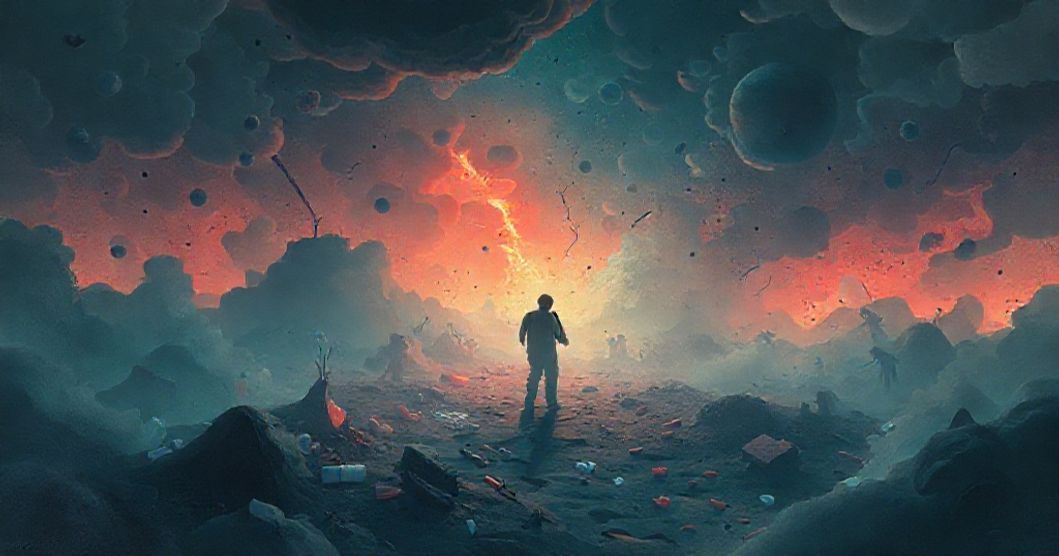
Part 1: Dream Presentation
Dreams often emerge as the unconscious mind’s way of communicating with our waking selves, even when we cannot articulate our internal struggles in words. This particular dream narrative presents a striking portrait of recurring imagery that carries profound emotional weight: a series of disturbing dreams involving drug use, violence, and self-harm, despite the dreamer’s lack of such experiences in waking life. The dreams unfold with visceral clarity, painting a psychological landscape where symbolic actions may be speaking to deeper emotional currents.
For the past week, I’ve been haunted by recurring dreams that feel both vivid and deeply unsettling—dreams where I find myself engaging in activities I’ve never experienced in waking life: using drugs in every form imaginable. As someone who has never tried any substances and continues to struggle with self-harm, these dreams feel like a disturbing mirror held up to my emotional state. Two distinct dreams stand out with particular clarity. The first, from two days ago, began with me searching frantically through a crowded space for something I couldn’t quite identify—a small pill bottle, perhaps, or a syringe. The faces around me blurred into a mass of people who seemed determined to block my path, their bodies pressing against me, their voices a confused mumble of encouragement and warning. My frustration mounted as I pushed past them, feeling their hands grabbing at my arms, their words growing louder. In a sudden surge of rage, I found myself acting out violently, my hands moving with a cold, automatic precision as I struck out against them, one by one, until they lay still beneath me. With a sense of grim relief, I scooped up the pills I’d spotted earlier and swallowed them all at once, the bitter taste spreading across my tongue as I felt an overwhelming sense of numbness take hold. The second dream, from yesterday, was even more visceral. I stood in a sterile, clinical room, my hands shaking as I prepared a syringe. The substance inside glimmered faintly under the harsh lighting, and I knew instinctively what it was, though I’d never seen it before. With trembling fingers, I pressed the needle into the soft flesh of my neck, feeling a sharp sting as the liquid entered my bloodstream. Almost immediately, I felt a strange calm settle over me, but it was quickly replaced by an urgent need to relieve the tension I felt inside. I grabbed a knife from the counter, my hands moving on their own accord, and began cutting myself desperately, the pain a strange comfort in that moment of dreamtime confusion. Both dreams end abruptly, leaving me gasping awake with a sense of dread and confusion. I’ve never used drugs, yet these dreams feel like they’re trying to tell me something about my relationship with pain, control, and the things I fear losing.
Part 2: Clinical Analysis
Want a More Personalized Interpretation?
Get your own AI-powered dream analysis tailored specifically to your dream
🔮Try Dream Analysis FreeSymbolic Landscape: The Language of Self-Destructive Imagery
The recurring dream motifs of drug use, violence, and self-harm reveal a rich symbolic landscape worth unpacking. In dream analysis, substances often represent attempts to escape or numb emotional pain rather than literal drug use. The act of injecting a substance into the neck—an area associated with vulnerability and the carotid artery—suggests a desperate attempt to access something vital within the self. The neck is also a site of vulnerability, making this injection a paradoxical act: seeking relief while exposing oneself to harm. The subsequent cutting of the self in this dream deepens the symbolic layer, as cutting often represents a desire to feel alive through pain or to release emotional pressure.
The second dream’s narrative of searching for pills among blocking people introduces another layer of symbolism. People blocking the path typically represent obstacles in waking life—perhaps emotional barriers, relationship conflicts, or self-imposed limitations. The act of killing these obstacles suggests frustration with barriers that feel insurmountable, paired with a desperate need to obtain something (the pills) that represents relief or escape. The total consumption of all pills hints at an all-or-nothing approach to emotional regulation, a common defense mechanism when feeling overwhelmed.
Psychological Perspectives: Unconscious Processing Through Dream Architecture
From a Freudian perspective, these dreams might represent repressed impulses or unconscious conflicts. The dreamer’s self-harm struggles and lack of drug use suggest these are not literal desires but symbolic expressions of internal turmoil. Jungian psychology would interpret these elements as archetypal struggles: the shadow self (the darker, unconscious aspects of the psyche) emerging through these violent and self-destructive images. The shadow often appears when we’re avoiding confronting uncomfortable emotions, and these dreams may be the shadow’s way of demanding attention.
Cognitive neuroscience offers another lens, suggesting dreams as a form of emotional processing and memory consolidation. The recurring nature of these dreams over a week suggests a significant emotional trigger or unresolved issue. The violence in the second dream could represent the brain’s attempt to process frustration or powerlessness through symbolic action, much like how we might rehearse difficult scenarios in waking life.
Emotional & Life Context: Unpacking the Trigger Points
The dreamer’s mention of ongoing self-harm struggles provides critical context for these recurring dreams. Self-harm often serves as a maladaptive coping mechanism for overwhelming emotions, and these dreams may be an extension of that pattern into the unconscious. The dreamer describes never having used drugs, which suggests these are not literal cravings but metaphorical representations of seeking escape from emotional pain.
The recurring nature of these dreams over a concentrated period (one week) implies an intensification of emotional stressors in waking life. Perhaps there are unprocessed emotions related to relationships, work, or personal identity that feel overwhelming. The blocking people in the dream could symbolize social pressures or relationship dynamics that feel restrictive, while the violence represents the dreamer’s internalized frustration at being unable to break free from these constraints.
Therapeutic Insights: From Dream to Self-Awareness
These dreams offer an opportunity for self-reflection rather than literal interpretation. The first step is recognizing that these are not invitations to use substances but signals from the unconscious about emotional needs. Journaling exercises that explore the emotions triggered by these dreams can help identify patterns in waking life.
Mindfulness practices focused on breathwork and grounding techniques may help interrupt the all-or-nothing emotional regulation pattern suggested by the total consumption of pills. When feeling overwhelmed, the dreamer might benefit from breaking large emotional experiences into smaller, manageable parts rather than attempting to 'fix' everything at once.
Therapeutic work could explore the underlying causes of self-harm urges, focusing on healthier emotional regulation strategies. CBT techniques might help reframe the 'blocking people' imagery into concrete problem-solving approaches, replacing the all-or-nothing thinking with incremental steps toward overcoming obstacles.
FAQ Section
Q: Why do I keep dreaming about drugs if I’ve never used them?
A: These are not literal cravings but symbolic representations of emotional escape. Your unconscious may be signaling a need for relief from pain or pressure you’re experiencing.
Q: What does it mean to inject into my neck specifically?
A: The neck represents vulnerability and access to vital areas of the body. Injecting here symbolizes desperate attempts to 'access' relief while exposing yourself to harm, reflecting a paradoxical need for comfort and danger.
Q: How can I differentiate between dream symbolism and actual desires?
A: Dreams rarely reflect literal desires but rather emotional states. If you feel drawn to these actions in waking life, that’s a signal to explore underlying emotions, but the dreams themselves are more about processing than acting on those urges.