
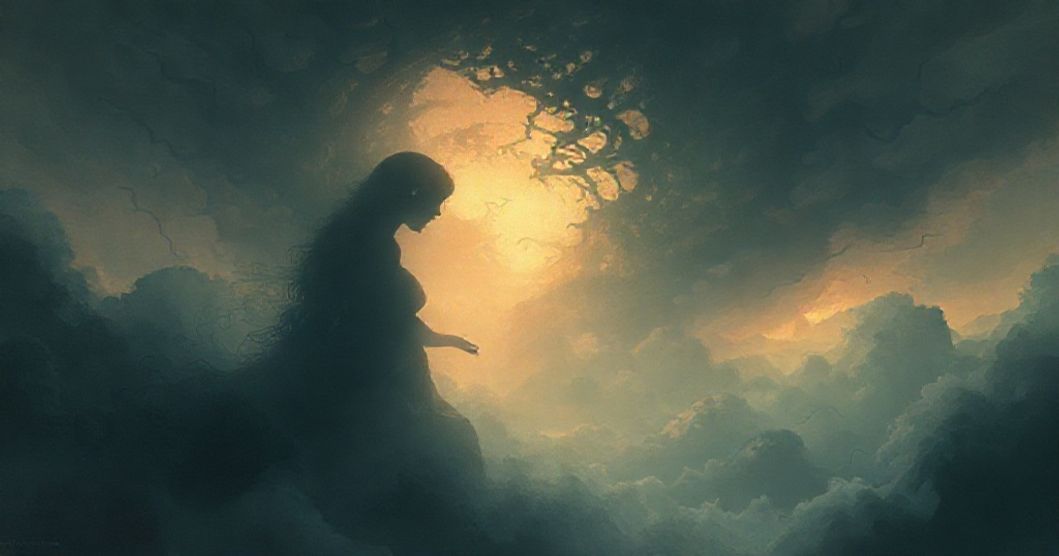
Part 1: Dream Presentation
Dreams have an uncanny way of blurring the boundaries between safety and terror, reality and the unconscious. This particular nightmare seizes the dreamer in a visceral grip, unfolding in a space that feels simultaneously familiar and deeply unsettling: the backyard of a childhood home. The dream begins with a ritualistic pacing—back and forth, blanket clutched, as if seeking comfort in repetition. The backyard itself, though a place of safety in waking life, transforms into a liminal space, neither fully real nor entirely imagined. The key detail of a non-existent room within this familiar landscape signals the dream’s psychological territory: the unconscious mind’s ability to create spaces that defy physical reality, representing areas of the psyche yet to be explored.
The dreamer moves through the house with all lights off, a powerful symbol of isolation and disconnection. In darkness, the horse appears—a primal archetype of fear and power. Its initial form is shadowy, unknowable, yet charged with threatening energy. As it attacks, shaking the dreamer with its hooves, the scream for “Mommy” erupts—a cry for maternal safety and protection that cuts through the terror. This primal cry reveals a deep-seated need for security, amplified by the dreamer’s waking reality of living alone.
The transformation sequence is the dream’s emotional climax: the horse gradually becomes human, its features morphing closer and closer to the dreamer’s face. This metamorphosis is not merely visual; it is psychological. The creature’s final transformation into a human figure, almost touching the dreamer’s face, pushes the terror to its peak before waking. The dream ends with the dreamer alone, turning on all lights in a corner, a physical manifestation of the need to externalize and contain the internal fear.
Want a More Personalized Interpretation?
Get your own AI-powered dream analysis tailored specifically to your dream
🔮Try Dream Analysis FreePart 2: Clinical Analysis
Symbolic Landscape: The Dreamer’s Inner Terrain
The backyard in the dream represents the dreamer’s relationship to their sense of self and safety. Backyards are traditionally spaces of comfort and familiarity, yet the dreamer’s version is both safe and threatening—a paradox that mirrors the complexity of adult attachment. The blanket, often a symbol of protection, becomes a source of comfort in the face of terror, yet its rough texture suggests an underlying unease about what is being protected from.
The horse itself is a multifaceted symbol. In Jungian psychology, horses often represent the animus (for women) or animus archetype, embodying primal energy, intuition, and the “wild” aspects of the psyche. Here, the horse’s shadowy form and violent shaking suggest the dreamer’s encounter with their own shadow self—parts of the personality repressed or feared. The transformation into a human figure is a critical symbolic shift: the unknown becomes the known, the feared becomes the familiar, yet still deeply unsettling.
The non-existent room is a powerful symbol of the unconscious mind’s creative potential. In Freudian terms, this could represent the “censor” of the unconscious, creating barriers to forbidden thoughts or memories. Its absence in reality but presence in the dream underscores the dreamer’s need to confront aspects of themselves they’ve avoided.
Psychological Undercurrents: Attachment, Fear, and Transformation
From a Jungian perspective, this dream explores the shadow archetype’s integration. The horse, as a primal, untamed force, represents the shadow—those parts of the self we fear or reject. The dreamer’s scream for “Mommy” reveals the shadow’s threat to the ego’s sense of safety and control. The transformation into a human figure suggests the shadow is not an external threat but an internal one, needing to be acknowledged and integrated.
Freud would likely interpret the horse as a manifestation of repressed sexual or aggressive impulses, though in this case, the maternal attachment themes suggest a more developmental lens. The “Mommy” cry reflects unresolved separation anxiety from childhood, where maternal protection was the primary source of safety. In adulthood, living alone triggers these unconscious memories, manifesting in the dream as a primal need for protection.
Cognitive dream theory posits that nightmares often process emotional stressors. The dreamer’s isolation amplifies the fear of abandonment, making the horse’s attack a metaphor for feeling unprotected. The transformation mirrors the dreamer’s anxiety about identity—facing a version of themselves they don’t recognize, yet feel deeply connected to.
Emotional Resonance: Isolation and Unconscious Longing
The dreamer’s waking state of living alone creates a vulnerability that the dream exploits. The house with all lights off is a powerful metaphor for the isolation that the dreamer experiences daily. In waking life, they lack immediate access to the maternal comfort they sought in childhood, so the dream recreates that need in a nightmare form.
The emotional journey of the dream—from safety-seeking to terror to transformation—reflects the dreamer’s internal conflict: the desire for safety versus the fear of confronting the unknown. The non-existent room symbolizes the dreamer’s unconscious exploration of areas they haven’t yet processed, and the horse represents the resistance to that exploration.
Therapeutic Insights: Integrating Fear and Safety
This dream offers several therapeutic avenues for the dreamer. First, it suggests the need to acknowledge the primal fear of the unknown, particularly around the shadow self. Journaling about the dream’s emotions can help identify patterns of anxiety triggered by isolation.
The act of turning on all lights in the dream’s aftermath is a healthy coping mechanism, reflecting the dreamer’s need to externalize and manage internal fear. This can be expanded into waking rituals: creating a “safety ritual” for anxiety, such as lighting a lamp or listening to calming music, to recreate the sense of control.
The maternal longing expressed in the dream’s “Mommy” cries suggests exploring adult relationships with care and support. Even if physically alone, the dreamer can cultivate emotional safety through self-compassion and reaching out to trusted friends or family for connection.
FAQ: Navigating the Dream’s Meanings
Q: Why did the horse transform into a human?
A: The transformation represents the shadow archetype—unconscious fears or repressed aspects of self that become more tangible as the dreamer confronts them. The human form suggests these fears are personal, not external.
Q: What does the non-existent room symbolize?
A: It represents the unconscious mind’s uncharted territory, areas of self or memory not yet integrated into waking awareness, inviting exploration.
Q: How can the dreamer use this insight in waking life?
A: Reflect on isolation triggers, practice self-compassion rituals, and explore the “safety” you create for yourself, both physical and emotional, to reduce anxiety.
Keywords
maternal attachment anxiety, shadow archetype, primal fear, liminal space, isolation, dream transformation, unconscious processing, safety ritual
Entities
mother figure, shadow self, primal horse, liminal backyard, non-existent room, isolated home