
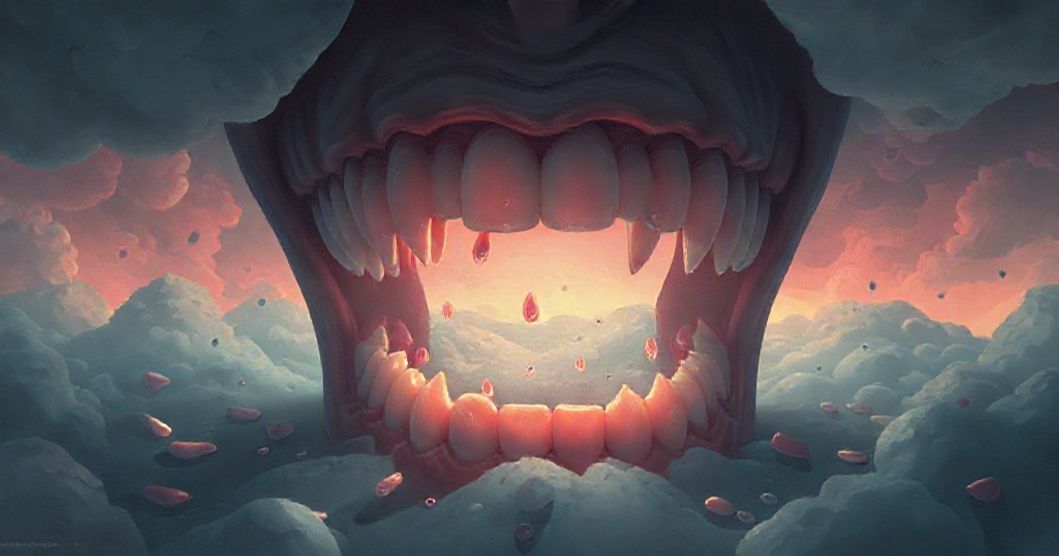
Part 1: Dream Presentation
Dreams have long served as the unconscious mind’s cryptic messenger, delivering messages wrapped in symbols that often elude our waking understanding. This particular dream of falling teeth arrives at a moment of transition, carrying with it both the weight of loss and the quiet promise of renewal. In the dream, the dreamer experiences the gentle yet profound departure of two upper right molars—a significant location, as the right side of the body often symbolizes action, intuition, and the 'active' self in psychological symbolism—paired with the emergence of a new tooth beneath the gumline. The absence of pain is notable, suggesting that these changes, though unsettling, are not accompanied by acute emotional distress. The dreamer’s response—sadness rather than panic—reveals an emotional landscape in which transformation is acknowledged without overwhelming resistance.
The rewritten dream narrative captures this journey vividly: the initial wobble of teeth, the soft detachment, the sensation of holding something once vital now rendered fragile, and the quiet sadness of loss. The bathroom mirror, a common dream setting for self-reflection, amplifies the focus on identity and appearance. The upper right molars, positioned for efficient chewing and speech, represent foundational aspects of self-expression and functionality. Their departure, paired with the new growth, creates a powerful metaphor for letting go of what was and embracing what is emerging.
Part 2: Clinical Analysis
Want a More Personalized Interpretation?
Get your own AI-powered dream analysis tailored specifically to your dream
🔮Try Dream Analysis FreeSymbolic Landscape: The Teeth as Identity Anchors
Teeth in dreams occupy a complex symbolic space, representing multiple facets of human experience. In Freudian psychology, teeth often symbolize sexual potency and vulnerability, while Jungian analysis views them as archetypal representations of the ego’s relationship to the world. For the dreamer, the falling teeth here carry additional layers: the upper molars signify communication, particularly the articulation of ideas and emotions, while their location on the right side introduces themes of action and intuition.
The absence of pain is noteworthy. In dreamwork, pain often signals emotional distress, but its absence here suggests that the dreamer is processing change without immediate psychological upheaval. This could indicate a subconscious awareness of necessary transitions that feel manageable rather than overwhelming. The new tooth emerging beneath the gumline introduces themes of renewal and hidden potential—what was once a part of the self (the old teeth) is being replaced by something new, even as the old remains tangible in the dreamer’s hand.
The act of catching the teeth in one’s hand is another significant symbolic gesture. This physical interaction transforms the abstract fear of loss into a concrete experience of holding something transient yet real. It suggests a moment of conscious engagement with the dream’s emotional content, perhaps indicating a desire to understand rather than avoid the changes occurring in waking life.
Psychological Undercurrents: Ego Integrity and Self-Image
From a contemporary psychological perspective, dreams like this often function as emotional processing tools, helping the mind integrate new information and adjust to life transitions. The falling teeth could symbolize shifts in self-image or identity—perhaps the dreamer is undergoing changes in how they perceive themselves or how they are perceived by others. The upper right molars, positioned for efficient speech and mastication, may represent the dreamer’s sense of capability and ability to 'chew through' life challenges.
Jung’s concept of the shadow self offers additional insight: the old teeth, once part of the dreamer’s identity, may represent aspects of the self that are being shed, while the new tooth symbolizes emerging qualities or suppressed potential. The right side of the jaw, associated with the right hemisphere of the brain, suggests a shift toward more intuitive, creative, or 'right-brained' processing—perhaps the dreamer is moving from a more logical, left-brained approach to decision-making toward one that embraces intuition and emotional intelligence.
Freud’s emphasis on oral symbolism might interpret the falling teeth as a regression to childhood anxieties about losing control over bodily functions, but the dream’s calm emotional tone suggests a more mature processing of these themes. The dreamer’s sadness, rather than panic, indicates a level of emotional resilience in the face of change.
Emotional Context: Waking Life Triggers and Unspoken Fears
To fully understand this dream, we must consider the waking life context that might have triggered it. Changes in appearance, communication patterns, or professional identity often manifest in dental imagery. The dreamer might be experiencing shifts in social roles—perhaps a new job, relationship, or phase of life that requires letting go of old habits or self-concepts.
The sadness without panic suggests an emotional acceptance of necessary change, even if it feels painful. The new tooth hints at hope: beneath the loss lies growth. This could reflect a period of professional or personal transition where the dreamer is simultaneously mourning what was and embracing what might be.
The bathroom mirror, a common dream setting for self-reflection, reinforces the focus on identity. The act of seeing one’s own teeth falling out might represent a moment of self-evaluation, where the dreamer is confronting how they present themselves to the world and what parts of that presentation are changing.
Therapeutic Insights: Embracing the Process of Letting Go
This dream invites several reflective practices for the dreamer. First, journaling about recent changes in waking life can help identify what aspects of self or situation are being 'lost' and what new elements are emerging. The dream suggests that these changes, though initially unsettling, carry within them the potential for growth.
Practicing mindfulness around self-image might help the dreamer connect with their evolving sense of self. The act of 'catching' the teeth in the dream could be translated into a conscious effort to hold onto one’s values and strengths while allowing external circumstances to shift. This might involve identifying non-negotiable aspects of identity that remain intact despite changes.
Therapeutically, this dream could be explored through a lens of self-compassion. The sadness experienced in the dream reflects a natural mourning process for what is being left behind, and this should be acknowledged rather than dismissed. The presence of the new tooth suggests that the dreamer is in a phase of renewal, and nurturing this potential could be a focus for growth.
FAQ Section: Navigating the Dream’s Meanings
Q: Why did I feel sadness rather than panic when my teeth fell out?
A: Sadness often arises from mourning what is lost, while panic reflects fear of the unknown. Your dream’s calm emotional tone suggests acceptance of necessary change, indicating a subconscious ability to process transitions without overwhelming anxiety.
Q: What does the new tooth symbolize in this context?
A: The emerging tooth represents renewal, hidden potential, or suppressed aspects of self that are beginning to manifest. It suggests that even as old patterns shift, new capabilities or identities are emerging.
Q: How can I apply this dream to my waking life?
A: Reflect on areas of your life where you’re experiencing change. Identify what you’re letting go of and what you’re gaining. The dream invites you to embrace transitions with the same acceptance shown in the dream’s narrative, recognizing that loss can precede meaningful growth.