
Part 1: Dream Presentation
Dreams often serve as psychological compasses, guiding us through the hidden landscapes of our unconscious minds. This particular dream unfolds a powerful encounter with sacred imagery amid unexpected circumstances, blending spiritual symbolism with interpersonal dynamics. The narrative begins in a vividly rendered setting of poverty and vulnerability—Mexico or a similarly impoverished region marked by floods and absence of basic utilities—creating a backdrop that evokes both physical hardship and spiritual testing. The dreamer finds themselves immobilized, held down by a woman and man who brand three crosses onto their back, the marks appearing simultaneously as a burning sensation and a tattoo-like design. These identical symbols also appear on the inner arm, creating a symmetrical, almost sacred pattern.
The dreamer, a Christian, recognizes the crosses as inherently symbolic yet experiences a paradox: initial resistance to the forced branding contrasts with later acceptance and even happiness with the result. Most striking is the transformation in the dream’s emotional arc, as the woman who participated in the branding evolves from an agent of constraint to a friend, resolving the tension between violation and connection. This narrative invites exploration of how spiritual symbols intersect with themes of identity, autonomy, and relational dynamics.
Part 2: Clinical Analysis
Want a More Personalized Interpretation?
Get your own AI-powered dream analysis tailored specifically to your dream
🔮Try Dream Analysis FreeSymbolic Landscape: The Crosses as Archetypal Symbols
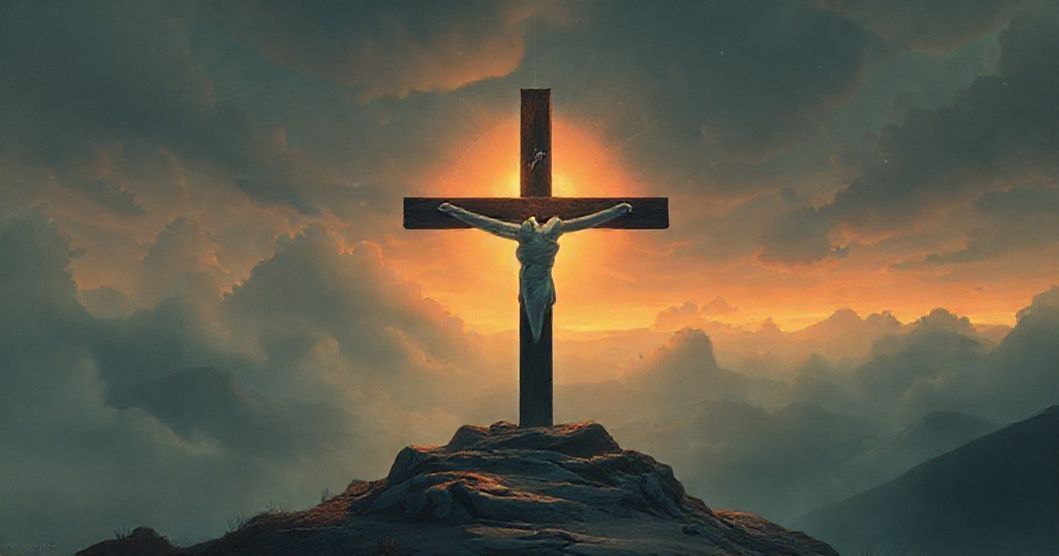
The three crosses at the heart of this dream carry profound symbolic weight, rooted in both Christian theology and Jungian psychology. In Christian tradition, the cross represents sacrifice, redemption, and divine love—a central tenet of the dreamer’s faith. However, the dream reinterprets this sacred symbol through the lens of branding, which introduces themes of ownership, marking, and transformation. The act of burning versus tattooing suggests a distinction between temporary and permanent marking: the burn implies a deeper, more visceral integration of the symbol into the self, while the tattoo-like appearance hints at how spiritual identity can feel both imposed and chosen.
The setting of poverty and floodwaters adds another layer of symbolism. In dream imagery, such environments often represent emotional vulnerability or spiritual testing—circumstances that force us to confront our core beliefs. The absence of basic utilities (electricity, water) contrasts with the presence of these permanent marks, suggesting that even in states of deprivation, the spiritual self can remain intact and marked by faith. The three crosses specifically align with the Trinity in Christian doctrine, though the dream does not explicitly reference this theological concept; rather, it uses the number three to create a symmetrical, almost mandala-like arrangement that evokes wholeness.
Psychological Undercurrents: Surrender, Identity, and the Shadow Self
From a Jungian perspective, this dream reflects the tension between the conscious and unconscious mind, particularly regarding how we integrate spiritual identity with our sense of self. The initial resistance to being held down and branded can be seen as the ego’s natural defense against perceived violation of autonomy, even when the symbol itself carries personal significance. Jung’s concept of the shadow helps explain this dynamic: the dream’s woman and man may represent aspects of the dreamer’s shadow self—parts of the psyche that feel foreign or threatening yet contain valuable insights.
Freudian theory might interpret the branding as a manifestation of repressed desires or fears related to religious authority. The dreamer’s Christian background introduces a complex dynamic where the sacred symbol (cross) becomes both a source of comfort and potential conflict. The forced nature of the branding could symbolize the pressure to conform to religious expectations, while the eventual friendship with the woman suggests a process of integrating these conflicting aspects of self.
Neuroscientifically, dreams like this activate the default mode network, where autobiographical memory and emotional processing intersect. The specific imagery of branding (a physical, sensory experience) likely corresponds to the brain’s role in processing pain, memory, and identity formation—even in non-conscious states.
Emotional & Life Context: Faith, Vulnerability, and Relational Patterns
This dream likely reflects the dreamer’s waking relationship with their faith and identity. The Christian cross, as a universal symbol of sacrifice, redemption, and spiritual connection, may be undergoing psychological re-examination in the dreamer’s life. The forced branding could represent external pressures to conform to religious norms or internal struggles with feeling “marked” by faith—either as a burden or a badge of honor.
The flood-stricken, impoverished setting may symbolize emotional or spiritual vulnerability. In waking life, the dreamer might be navigating circumstances that feel overwhelming, with limited resources (both emotional and practical) and facing potential “tests” to their faith. The three crosses could represent three areas of spiritual focus or challenges the dreamer is currently confronting, while the symmetrical placement on back and arm suggests an integration of these challenges into a cohesive identity.
The tension between resistance and acceptance in the dream mirrors a common spiritual dynamic: the struggle to surrender to a higher purpose while maintaining a sense of self. The dream’s resolution—from constraint to friendship—suggests that the dreamer is processing this tension by learning to embrace spiritual marking as a source of connection rather than violation.
Therapeutic Insights: Integrating the Mark, Embracing Symbolic Identity
This dream offers several therapeutic insights for the dreamer and those exploring similar themes. First, it invites reflection on how spiritual symbols intersect with feelings of autonomy and constraint. The dreamer might benefit from asking: Where in my life do I feel “branded” by external expectations, and where do I authentically choose my spiritual path? The initial resistance to the crosses contrasts with later acceptance, suggesting a process of integrating external pressures into internal identity.
Second, the dream highlights the importance of relational dynamics in spiritual growth. The transformation from oppressor to friend suggests that even difficult spiritual experiences can lead to deeper connection—both with the divine and with others. Journaling exercises could help explore how the dreamer’s waking relationships with authority figures or spiritual mentors mirror this dynamic.
Practical reflection might involve creating a “symbol inventory” of spiritual markers in daily life: what symbols (crosses, tattoos, rituals) feel imposed versus chosen? How do these symbols affect self-perception? The dream’s resolution of tension through friendship suggests that spiritual surrender does not require complete autonomy loss but rather a balanced integration of constraint and choice.
For those struggling with faith-related identity conflicts, this dream encourages seeing spiritual marking as both a challenge and an opportunity for deeper self-understanding. The pain of the branding (literal in the dream, metaphorical in life) can lead to resilience and a stronger sense of purpose when embraced rather than resisted.
FAQ Section
Q: What does it mean to be held down during a dream about spiritual symbols?
A: Being immobilized often reflects feelings of powerlessness or surrender in waking life, particularly around spiritual or identity-related issues. It may signal internal resistance to change or external pressures you feel unable to avoid.
Q: Why three crosses specifically?
A: The number three is deeply symbolic in many traditions—representing the Trinity, mind-body-spirit, or past-present-future. In this context, it likely signifies three interconnected aspects of your spiritual journey, challenges, or commitments.
Q: How does the transition from resistance to friendship resolve the tension?
A: This shift suggests your unconscious is processing the tension between surrender and autonomy by finding integration: accepting spiritual marking as a source of connection rather than violation, transforming external constraint into internal understanding and relationship.