
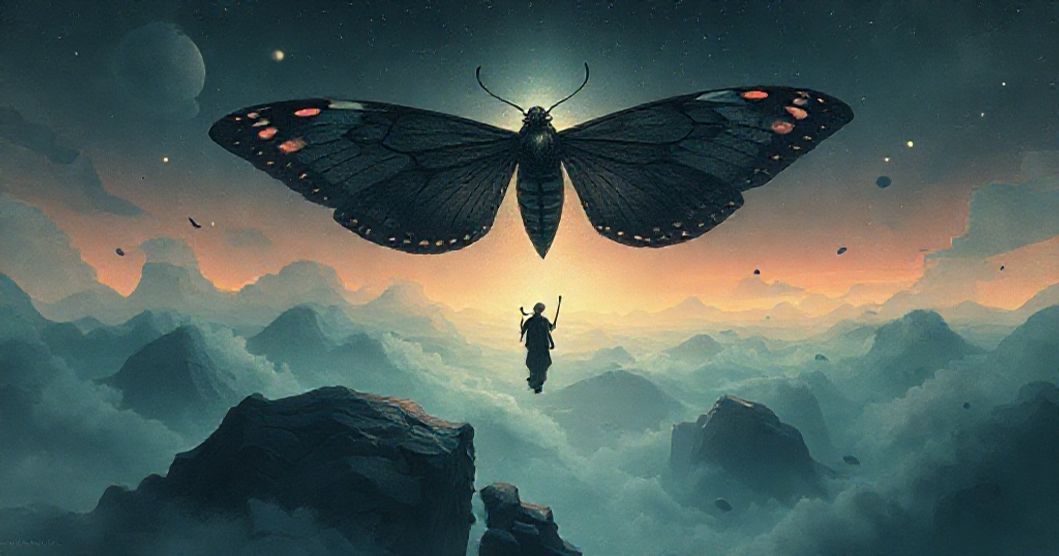
Part 1: Dream Presentation
Dreams often arrive as cryptic messengers from the subconscious, blending symbolic imagery with emotional undertones. This particular dream unfolds as a journey through contrasting landscapes—from festive connection to natural introspection—marked by encounters with a black moth, a struggling bunny, and a mysterious bite. The dream begins in daylight, surrounded by festive energy, where the dreamer extends their palm to invite a black moth to land, capturing a moment of connection with an unexpected presence. This sets the stage for a deeper exploration of intuition, boundaries, and the interplay between helping others and respecting autonomy.
The dreamer stands outside a festive gathering during the day, their sister by their side. The bright, cheerful atmosphere suggests a period of celebration or social connection, yet the specifics remain vague—a common dream trope indicating the dreamer’s engagement with broader themes rather than specific events. When the black moth appears, the dreamer offers an open palm, inviting it to land—a gesture of receptivity and curiosity toward the unknown. The act of asking the sister to take a photograph underscores the desire to document and preserve this significant moment, reflecting the dreamer’s need to externalize and process inner experiences.
As the scene transitions to a trail lined with tall trees, the dream shifts from social connection to a more solitary, natural setting. Here, the black moth remains a constant presence, accompanying the dreamer as they walk. This transition suggests the dreamer’s journey toward self-reflection, with the moth symbolizing their inner intuition or unconscious processes. The encounter with the bunny—an animal often associated with innocence and vulnerability—adds another layer of meaning. The bunny attempts to climb a hill, struggling against the natural challenge, and the dreamer initially reaches out to help, only to reconsider and place it back. The bunny’s immediate departure after being returned hints at the tension between offering assistance and respecting the autonomy of others, or perhaps the dreamer’s own ambivalence about intervention.
Want a More Personalized Interpretation?
Get your own AI-powered dream analysis tailored specifically to your dream
🔮Try Dream Analysis FreeThe most poignant moment occurs when the dreamer pets the still, lifeless moth and discovers it has bitten them, leaving a small red circular mark. This final element introduces a complex emotional layer, suggesting that the dreamer’s engagement with their intuition (represented by the moth) may have consequences—even pain or boundary violations—requiring careful navigation.
Part 2: Clinical Analysis
Symbolic Landscape: The Black Moth as Intuition
The black moth emerges as the central symbol, representing the dreamer’s relationship with intuition and the unconscious mind. Moths in dreams often symbolize transformation, as they undergo a profound metamorphosis from caterpillar to winged creature, mirroring psychological growth and the integration of repressed aspects of self. The black color adds depth, suggesting mystery, the unknown, or the shadow self—elements of the psyche that demand attention and understanding. By inviting the moth to land on an open palm, the dreamer demonstrates receptivity to these unconscious messages, while the act of asking for a photograph reflects the desire to externalize and process these inner insights.
The festive setting contrasts with the natural, more introspective trail, creating a tension between social connection and self-exploration. Festive environments often symbolize celebration, community, and the expression of identity, while the forest trail represents the path of self-discovery and the unconscious. The moth’s presence in this transitional space suggests the dreamer is navigating between engaging with the external world and exploring internal depths.
Psychological Undercurrents: Jungian and Freudian Perspectives
From a Jungian framework, the black moth could represent the shadow—those aspects of the self we often ignore or fear. The moth’s stillness and eventual death may symbolize the dreamer’s struggle to integrate these shadow elements. The bite mark introduces a physical manifestation of this integration: the dreamer is marked by their encounter with the unconscious, suggesting that engagement with these deeper aspects of self carries both rewards and challenges.
Freudian theory might interpret the moth as a symbol of repressed desires or anxieties. The act of capturing the moth (and photographing it) could reflect the dreamer’s attempt to control or understand these repressed elements. The bunny, with its vulnerability, may represent the dreamer’s own need for protection or the fear of exposing their own vulnerabilities. The initial impulse to help the bunny and its subsequent departure could symbolize the dreamer’s ambivalence about intervening in their own life or the lives of others.
Neurologically, dreams like this often process recent waking experiences, emotions, or unresolved conflicts. The dreamer may be experiencing a period of transition, where they are simultaneously celebrating their achievements (festive setting) and navigating uncertainty (forest trail). The moth’s bite could symbolize the unexpected pain or discomfort that accompanies growth and self-discovery.
Emotional and Life Context: Navigating Transitions
The dream likely reflects the dreamer’s current emotional state or life circumstances. The festive setting suggests a period of celebration or social connection, perhaps a milestone or positive life event. However, the subsequent forest scene introduces tension, indicating underlying concerns or unresolved issues. The struggle with the bunny—wanting to help but respecting its autonomy—may reflect the dreamer’s relationship with others or their own need to balance caregiving with self-preservation.
The black moth’s death and bite could symbolize the dreamer’s fear of losing control over their intuition or inner wisdom. The act of placing the moth elsewhere and noticing the bite suggests a sense of violation or unexpected consequence, hinting that the dreamer may be grappling with boundaries—both with others and with their own inner processes.
Therapeutic Insights: Processing Intuition and Boundaries
This dream invites the dreamer to explore their relationship with intuition and boundaries. The black moth’s presence as a guide or teacher suggests the need to pay closer attention to subtle, often overlooked aspects of experience. The initial receptivity to the moth contrasts with the eventual bite, indicating that engaging with intuition may not always be comfortable or painless, but is necessary for growth.
Reflection exercises could include journaling about recent experiences where the dreamer felt torn between helping others and respecting autonomy, noting patterns in these interactions. The dream also encourages the dreamer to examine their relationship with the unknown: the moth represents the unconscious, and the bite suggests that confronting these depths may require courage and self-awareness.
For integration, the dreamer might practice mindfulness to distinguish between helpful and unhelpful interventions in their life, learning to trust their intuition while setting boundaries. This could involve daily check-ins to assess whether actions stem from a place of care or obligation, and to honor their own needs alongside the needs of others.
FAQ Section
Q: What does it mean when a black moth lands on an open palm in a dream?
A: A black moth landing on an open palm symbolizes receptivity to intuition and the unconscious. It suggests the dreamer is open to exploring deeper aspects of self, even if they feel uncertain or mysterious. The act of inviting the moth reflects a desire to understand the unknown.
Q: Why did the bunny run away after the dreamer tried to help?
A: The bunny’s departure after being helped may represent the tension between offering assistance and respecting autonomy. It could indicate the dreamer’s need to trust others (or oneself) to navigate challenges without overstepping boundaries, or a fear of imposing help where it isn’t needed.
Q: What does the bite mark signify in this dream?
A: The bite mark suggests that engaging with the unconscious (represented by the moth) carries both rewards and challenges. It may indicate that integrating intuition requires courage and awareness of boundaries, as the bite represents the unexpected consequences of deep self-exploration.