
Part 1: Dream Presentation
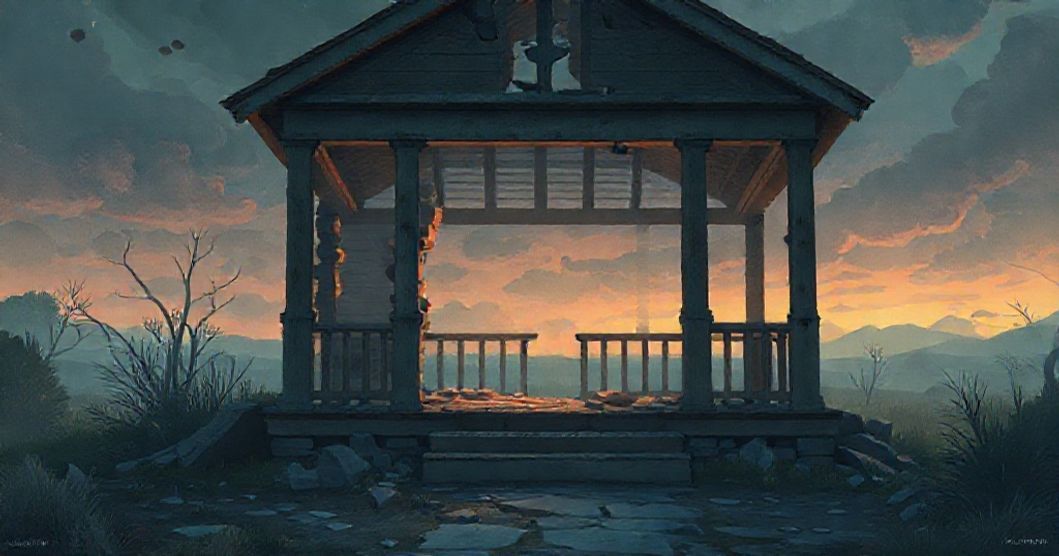
Dreams possess an uncanny ability to translate abstract anxieties into tangible, visceral experiences, and this recurring vision of a crumbling porch offers a vivid example of such translation. The dream begins in a familiar domestic setting—the childhood home, with its comforting scents and known layout—before shifting to a threshold of vulnerability: the back porch. What was once a place of relaxation or connection has transformed into a site of danger, its structural integrity shattered by gaping holes in walls and floors. The dreamer’s careful navigation toward safety, followed by the immediate relief of returning inside, contrasts sharply with the lingering fear upon waking, suggesting a deeper psychological process at work.
The dream narrative unfolds with precise sensory detail: the smell of cinnamon and old wood evokes nostalgia, yet the emotional undercurrent is one of unease. The porch, once a functional extension of the home, now reveals its true fragility through visible damage and the threat of falling. The second-story height amplifies the sense of exposure, while the act of carefully returning inside suggests both a primal need for safety and a recognition of the dreamer’s ability to navigate uncertainty. The recurring nature of the dream, paired with its intensity upon waking, indicates that the subconscious is persistently processing themes of stability and vulnerability.
Part 2: Clinical Analysis
Want a More Personalized Interpretation?
Get your own AI-powered dream analysis tailored specifically to your dream
🔮Try Dream Analysis FreeSymbolic Landscape: The Porch as Vulnerability and Exposure
The porch in this dream functions as a powerful symbolic threshold, representing the boundary between safety and exposure in both the dream world and the waking psyche. In traditional dream imagery, the home often symbolizes the self or the conscious mind, while exterior spaces like porches can represent the transition between internal and external realities. Here, the porch’s deterioration—with its holes in walls and floors—signals deeper vulnerabilities in the dreamer’s sense of self or life circumstances.
The holes themselves carry multi-layered meaning. In dream symbolism, holes frequently represent openings into the unconscious, areas of vulnerability, or places where one’s defenses have cracked. When the dreamer can “look down” through these holes to see the foundation and ground below, this visual metaphor suggests a loss of foundational support or a sense that the “grounding” of one’s life is unstable. The height of the porch (second story) adds another dimension: it elevates the dreamer above potential threats but also increases the stakes of missteps, creating a paradox of safety and danger.
The house itself, despite the damaged porch, remains a refuge—a familiar structure that represents the dreamer’s core identity or sense of self. The act of returning inside after navigating the dangerous porch symbolizes the subconscious’s attempt to maintain safety while confronting underlying issues. This duality of the home as both sanctuary and the site of vulnerability (through the porch) is central to the dream’s emotional impact.
Psychological Perspectives: Layers of Unconscious Processing
From a Jungian perspective, the house represents the conscious self, while the porch embodies a “threshold” between the conscious and unconscious mind—a liminal space where the dreamer must confront aspects of the self that have been neglected or damaged. The holes in the porch walls can be seen as manifestations of the “shadow self”—parts of the personality that have been ignored or repressed, now making themselves known through symbolic damage.
Freudian theory might interpret the dream as reflecting repressed anxieties related to security and control. The porch, as a space of transition, could symbolize areas of life where the dreamer feels out of control or exposed. The fear of falling through the floorboards might represent an unconscious fear of losing stability in waking life, whether in relationships, career, or personal well-being.
Cognitive psychology offers another lens, suggesting that dreams function as a processing mechanism for unresolved emotions and experiences. The recurring nature of the dream indicates that the mind is repeatedly revisiting a particular theme or emotional state, seeking resolution or clarity. The dream’s focus on a deteriorating structure could mirror the dreamer’s waking experience of noticing small cracks or vulnerabilities in life that require attention.
Emotional and Life Context: Unpacking the Subtext of Stability
The emotional tone of the dream—persistent fear, tension, and the need to return to safety—suggests underlying anxieties about personal stability. The porch, a space typically associated with comfort and connection, has become a site of danger, reflecting how the dreamer might view certain aspects of life as simultaneously familiar and threatening.
In waking life, this dream could signal concerns about areas of life that feel neglected or in disrepair. The porch might represent relationships, career, or personal goals that have not received the attention they need, leading to a sense of instability. The height of the porch (second story) could symbolize feeling emotionally elevated above problems but also isolated or disconnected from the “ground” of reality.
The act of carefully navigating the dangerous porch without falling might represent the dreamer’s attempt to maintain control in the face of uncertainty. The relief upon returning inside suggests a temporary resolution, but the recurring nature of the dream indicates that these anxieties are not easily resolved and require deeper exploration.
Therapeutic Insights: From Dream to Self-Awareness
Journaling about the dream can help the dreamer identify patterns in their waking life that mirror the porch’s deterioration. Asking: “Which areas of my life feel like they’re ‘falling apart’?” or “Where do I feel exposed or out of control?” can reveal concrete concerns to address.
Mindfulness practices focused on the body’s physical reactions to stress can help the dreamer recognize when anxiety is manifesting in waking life. The racing heart and tight chest upon waking might correspond to physical manifestations of stress during the day, suggesting a need for grounding techniques like deep breathing or progressive muscle relaxation.
Exploring the “threshold” of the porch in waking life—perhaps literally visiting a porch or balcony in a safe space—can help the dreamer reconnect with the symbolic meaning. This physical act can serve as a grounding exercise, reinforcing the distinction between the dream’s symbolic danger and real-world safety.
FAQ Section: Navigating Dream Interpretation
Q: What does it mean when the porch is falling apart in my dreams?
A: A deteriorating porch often symbolizes neglected areas of life, emotional vulnerability, or instability. It may signal that you need to address foundational concerns before they worsen.
Q: Why do I keep having this dream with the same details?
A: Recurring dreams often highlight unresolved emotions or issues. The mind repeats the dream to ensure these themes are processed, suggesting you haven’t yet found closure or resolution for these concerns.
Q: How can I use this dream to improve my waking life?
A: Reflect on what the porch represents in your life—perhaps a relationship, career, or personal goal that feels neglected. Create small, actionable steps to address these areas, starting with the most immediate concern.