
Part 1: Dream Presentation
Dreams often serve as mirrors to our inner lives, reflecting fears we’ve avoided and strengths we’re only beginning to recognize. This particular dream, with its vivid imagery and unexpected resolution, offers a compelling glimpse into the dreamer’s psychological landscape.
I've always straddled a curious boundary with dreams: they either overwhelm me with vivid, prescient intensity or vanish entirely before I can fully process them. More often than not, I find myself in nightmares where I'm hunted or in mortal danger, always waking myself up before the dream concludes. Last night, though, a dream unfolded with surprising clarity, and I woke naturally—not from panic or willpower, but as if the narrative had simply reached its end.
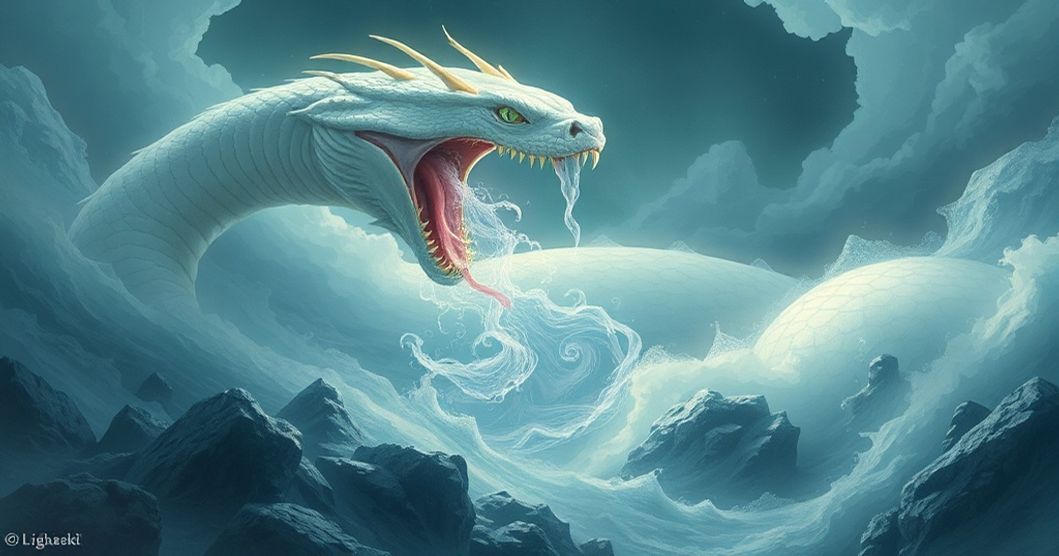
The setting was my familiar backyard, yet everything felt off. An invasive species of snakes had taken root in the neighborhood—specifically, large, venomous white snakes with distinctive black spots, their presence both unsettling and strangely specific. I felt an urgent, almost instinctual need to protect my home, so I constructed a simple trap from household items, determined to capture one of these serpents. Though I've always feared snakes, in this dream, I moved with surprising confidence, my hands steady as I set the trap. When the white snake with black spots slithered in, I caught it, a strange mix of pride and terror coursing through me as I held it firmly.
Want a More Personalized Interpretation?
Get your own AI-powered dream analysis tailored specifically to your dream
🔮Try Dream Analysis FreeBut my grip, though confident, was loose. As I adjusted my hold to steady the creature, it twisted violently, its fangs sinking into my left pointer finger—the very finger I use for most precise tasks, my dominant hand. Panic exploded; I dropped the snake, its body writhing away as I clutched my hand in agony. I ran inside, heart pounding, and demanded my father take me to the ER, my voice cracking with desperation. He was initially unhurried, but my shouts and pleas finally spurred him into action. To my shock, the medical treatment was swift, and afterward, I received an unexpected reward: a small ice cream cone, as if surviving a snake bite warranted a treat. Most remarkably, I woke up naturally, not from fear or force, but as if the dream had simply concluded.
This was no ordinary dream for me. I've never focused on snakes in my dreams before—this one felt visceral, with every detail sharp and clear. The fact that I woke without effort only added to its strangeness, as my usual pattern is to wake myself from nightmares before they fully resolve.
Part 2: Clinical Analysis
Symbolic Landscape: The White Serpent and Its Bite
The white snake with black spots in this dream carries multiple layers of symbolic meaning. In dream imagery, snakes typically represent transformation, healing, or hidden threats—often tied to repressed emotions or life changes. The white color introduces purity, vulnerability, or spiritual awakening, while the black spots suggest complexity or danger lurking beneath the surface. This invasive species implies an external threat that has unexpectedly breached the dreamer’s boundaries, mirroring real-life anxieties about intrusion or loss of control.
The bite on the left pointer finger is particularly significant. The left hand in dreams often symbolizes intuition or the unconscious, while the pointer finger represents direction, leadership, or self-expression. Biting injuries in dreams typically signify feeling 'bitten' by emotions or experiences—here, the bite on the dominant hand suggests that self-expression or leadership may be under threat, or that the dreamer feels their sense of purpose is being undermined by a hidden danger.
The act of setting a trap and catching the snake reflects the dreamer’s attempt to assert control over a threatening situation. The initial confidence contrasts with the subsequent panic, showing a common psychological pattern: attempting to master fears, only to be reminded of their power. The father’s role as the reluctant helper mirrors the dreamer’s relationship with authority or support systems—perhaps a need for guidance that feels unmet until the dreamer’s urgency forces action.
The ice cream reward is a fascinating twist, introducing a sense of normalization or unexpected comfort after crisis. This could symbolize the dreamer’s need for validation or the recognition that surviving challenges deserves celebration, even if the challenge itself feels overwhelming.
Psychological Perspectives: Jungian, Freudian, and Cognitive Frameworks
From a Jungian perspective, the white snake may represent the shadow archetype—the parts of the self we fear or repress. The invasive species could symbolize shadow elements that have 'invaded' the dreamer’s psychological space, demanding attention. The act of catching the snake and being bitten might reflect a confrontation with these shadow aspects, followed by integration rather than avoidance.
Freudian theory might interpret the snake as a phallic symbol, with the bite representing a fear of sexual vulnerability or repression. However, the dreamer’s history of nightmares involving hunting or danger suggests a more primal fear of loss of control or survival instinct. The father’s unhurried response could reflect the dreamer’s unconscious perception of authority figures as slow to address their needs, even in waking life.
Cognitive dream theory views dreams as problem-solving mechanisms, processing unresolved emotions or stressors. The dreamer’s usual pattern of waking from dreams might indicate an attempt to avoid emotional processing, while the natural awakening suggests a shift toward integration. The snake bite could represent a stressor the dreamer is now ready to face directly.
Neuroscience adds another layer: the brain’s default mode network, active during dreams, processes emotional memories and relational patterns. The vividness of this dream might indicate heightened emotional processing related to recent stressors or unprocessed experiences.
Emotional and Life Context: Unpacking Fears and Unmet Needs
The dreamer’s history of alternating between vivid nightmares and none suggests a psychological defense mechanism—either pushing away painful emotions or being unable to access them. The pattern of waking before dreams conclude indicates an avoidance of emotional closure, a common response to trauma or overwhelming experiences.
The shift toward a natural waking suggests the dreamer may be entering a phase of emotional processing rather than avoidance. The specific fear of snakes (ophidiophobia) often symbolizes fear of the unknown or uncontrollable change. The invasive species aspect amplifies this, suggesting the dreamer feels overwhelmed by external forces in waking life—perhaps changes at work, relationships, or self-perception.
The father’s role as the reluctant helper might reflect a real-life dynamic where the dreamer’s needs are not immediately met, requiring escalation to gain attention. The ice cream reward could symbolize the dreamer’s need for positive reinforcement, or a subconscious belief that they must 'earn' comfort through overcoming challenges.
Therapeutic Insights: Integrating the Dream’s Lessons
This dream offers several opportunities for self-reflection. First, the act of catching and being bitten by the snake suggests that confronting fears, rather than avoiding them, is necessary for growth. The dreamer might benefit from exploring what external pressures or internal emotions feel 'invasive' in their life.
The natural awakening invites the dreamer to consider whether they’ve been waking up prematurely from emotional experiences in waking life—perhaps avoiding difficult conversations or responsibilities until forced. The ice cream reward suggests that acknowledging and celebrating small victories, even in the face of fear, is valuable.
Practical exercises could include journaling about recent stressors, identifying which feel 'invasive' like the snakes, and reflecting on how they might be addressed. The bite on the dominant hand might prompt questions about whether the dreamer’s sense of direction or purpose is being threatened, and what steps could be taken to protect that sense of self.
Q&A: Addressing Key Questions About the Dream
Q: What does it mean to be bitten by a white snake in a dream?
A: A white snake bite often signifies vulnerability in self-expression or leadership, with the white color suggesting purity or spiritual awakening. The bite may indicate feeling 'attacked' by hidden emotions or external pressures that threaten your sense of direction.
Q: Why did the dreamer wake up naturally this time?
A: Waking naturally suggests the dream processed emotional material without the need for forced awakening, indicating a shift toward integration rather than avoidance. It may reflect readiness to face challenges rather than fleeing them.
Q: How does the ice cream reward affect the interpretation?
A: The ice cream introduces hope and normalization, suggesting that surviving difficulties deserves celebration. It may indicate a subconscious belief that growth through adversity is possible, even when the journey feels painful.