
Part 1: Dream Presentation
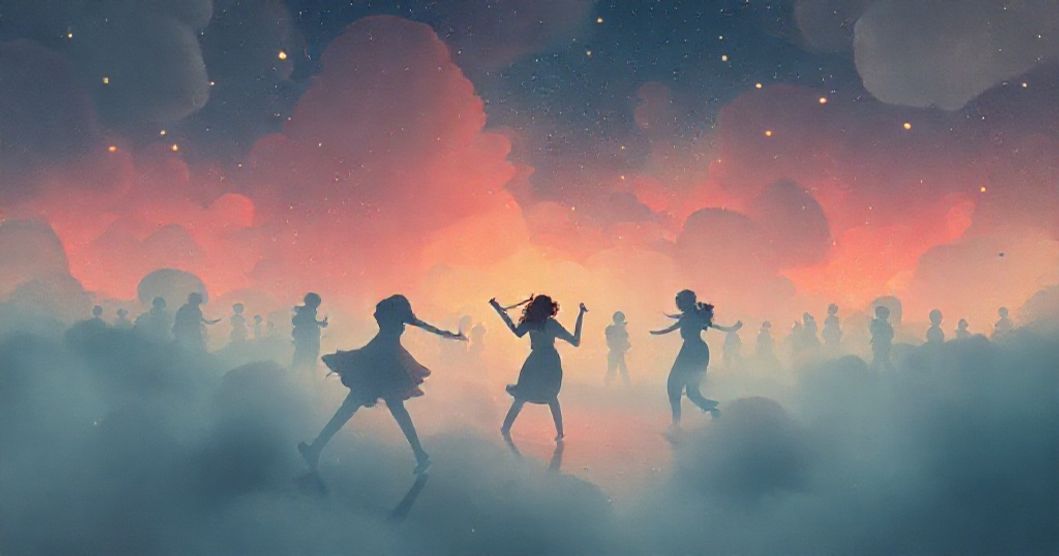
Dreams often serve as our subconscious’s way of processing unresolved emotions, and for this dreamer, a recurring nightmare has emerged as a powerful symbol of performance anxiety and identity. The dream unfolds with disorienting clarity: the dreamer, still carrying the weight of thirteen years as a dancer, finds themselves backstage before a dress rehearsal, fully prepared in costume, hair, and makeup. Yet as the music begins and the stage lights illuminate them, something fundamental shifts—their entire dance routine vanishes from memory. The other dancers perform flawlessly around them, while the dreamer stands frozen, overwhelmed by the silent judgment of an audience they can almost taste, their heart pounding with a terror that wakes them in tears. This isn’t merely a dream about forgetting steps; it’s a visceral exploration of how stress can unravel our sense of self, particularly when our identity is deeply tied to a skill we’ve dedicated years to mastering.
Part 2: Clinical Analysis
Symbolic Landscape: The Stage as Metaphor
Want a More Personalized Interpretation?
Get your own AI-powered dream analysis tailored specifically to your dream
🔮Try Dream Analysis FreeThe dream’s core symbols reveal a rich psychological landscape. The backstage setting represents the liminal space between preparation and performance—a place of both safety and vulnerability, where the dreamer feels 'fully dressed' yet emotionally undone. The costume, hair, and makeup signify the layers of identity we present to the world, even when our internal selves feel frayed. The vanished routine is perhaps the most poignant symbol: dance, as a discipline, relies on both muscle memory and emotional connection to movement. Forgetting the routine isn’t just about memory loss; it’s about losing the very language the dreamer has used to express themselves for over a decade. The other dancers, performing 'perfectly,' act as a mirror reflecting the dreamer’s fear of comparison—a universal human experience where we measure our worth against others’ perceived success.
Psychological Perspectives: The Intersection of Trauma and Identity
From a Freudian lens, this dream may represent repressed anxiety about performance failure. The 'dress rehearsal' setting, with its implicit 'safe' environment, could symbolize how even low-stakes situations trigger deep-seated fears of inadequacy. Jungian psychology might interpret the dreamer’s identity as a dancer as part of their 'anima' or 'shadow'—the hidden aspects of self that feel most vulnerable when challenged. The shadow here is the fear of losing mastery, which the dream personifies as the 'forgotten routine.'
Cognitive psychology offers another layer: stress activates the amygdala, hijacking the prefrontal cortex and impairing working memory. In this dream, the brain’s 'memory retrieval system'—which relies on emotional context—becomes overwhelmed, much like how stress disrupts explicit memory in waking life. The dream’s specificity—the exact feeling of stage lights, the smell of hairspray, the taste of tears—reflects how emotional states can encode memories more vividly than rational thought.
Emotional & Life Context: When Past Skills Meet Present Pressures
The dream’s recurrence during stress suggests a connection to waking life stressors that mirror the pressures of dance training. The 13-year dedication to dance likely created a deep identity fusion: the self was defined by performance, precision, and the ability to 'execute' under pressure. When life stressors (deadlines, relationships, career transitions) arise, the subconscious revisits this identity, fearing that the 'forgotten routine' represents the loss of control over something once mastered. The dream’s emotional payoff—waking in tears and shame—reflects how the dreamer internalizes this fear of failure as personal inadequacy, even when the stressors have no direct connection to dance.
Therapeutic Insights: Reclaiming the 'Forgotten' Self
For the dreamer, this recurring nightmare offers a unique opportunity for self-reflection. One practical exercise is to journal about the specific stressors triggering the dream, noting how they mirror the 'performance anxiety' of the dance world. By separating the 'dancer identity' from the 'human identity,' the dreamer can begin to see their worth isn’t tied to flawless execution but to resilience and adaptability.
Mindfulness practices could help rewire the amygdala’s response to stress. The dream’s 'panic cycle'—freezing, memory loss, shame—can be countered with grounding techniques that interrupt the fight-or-flight response. Visualization exercises, where the dreamer 'reclaims' the routine in waking life, can help rebuild confidence in memory retrieval and emotional regulation.
FAQ Section
Q: Why does the dream always occur during dress rehearsal specifically?
A: Dress rehearsal represents a 'safe' performance space that still carries high stakes, mirroring how stressors in waking life feel both rehearsed and unprepared. It’s a liminal space where the subconscious tests boundaries between safety and vulnerability.
Q: How does the 13-year dance background influence this dream?
A: Your long-term dedication to dance has fused your identity with the 'performer' self. The dream fears losing this identity, making the 'forgotten routine' a metaphor for losing self-worth when challenged.
Q: What practical steps can help resolve this recurring dream?
A: Externalize the dream by writing the routine in a journal, practice visualization of successful performance, and explore underlying stressors causing anxiety. By separating your identity from performance, you reclaim agency over your self-worth.