
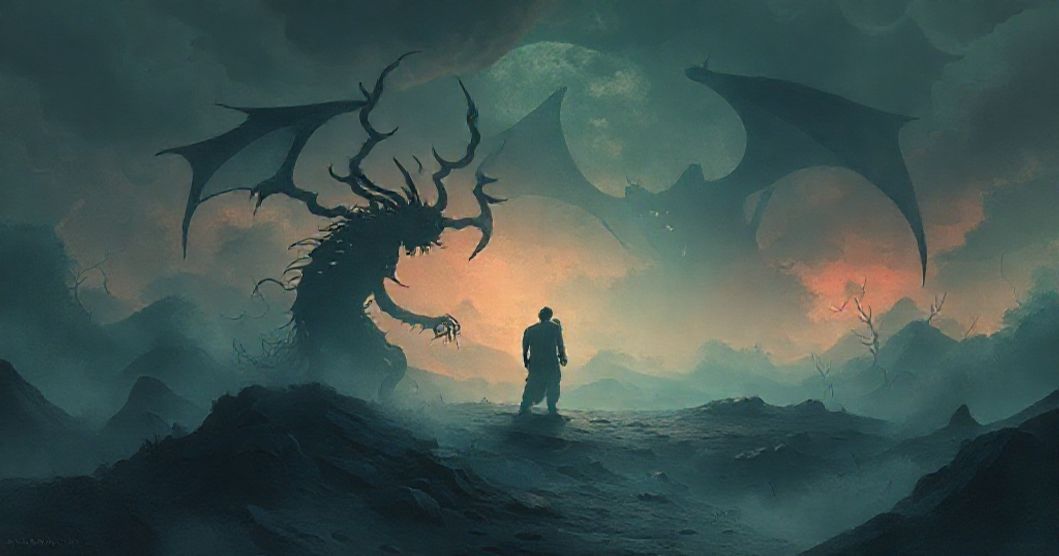
Part 1: Dream Presentation
Dreams often serve as windows into our unconscious struggles, and this particular nocturnal experience reveals a complex interplay of fear, spiritual symbolism, and environmental unease. The dream begins with the dreamer in a familiar position—lying on their back in bed—immediately establishing a sense of continuity and normalcy that is abruptly shattered by the appearance of a shadowy creature. This creature, unlike previous demonic figures, exhibits a disturbing shape-shifting quality, morphing into ten distinct forms in rapid succession. The inability to complete the sign of the cross—specifically the phrase ‘and the Holy Spirit’—adds a layer of spiritual conflict, while the house’s persistent unsettling vibes introduce environmental anxiety.
The rewritten dream narrative captures these elements with vivid detail: the dreamer’s position upon waking, the shadowy entity’s fluid transformations, the struggle to maintain spiritual protection, and the physical and emotional toll of the experience. The dream’s key themes include: a shape-shifting shadow creature, an interrupted attempt at spiritual protection, environmental unease, and recurring feelings of mental drain.
Part 2: Clinical Analysis
Want a More Personalized Interpretation?
Get your own AI-powered dream analysis tailored specifically to your dream
🔮Try Dream Analysis FreeSymbolic Landscape: Decoding the Dream Elements
The shadowy creature in this dream embodies multiple symbolic layers. In Jungian psychology, shadows represent repressed aspects of the self, while shape-shifting entities often signify the fluid, unrecognized fears that emerge during periods of psychological transition. The creature’s rapid transformation suggests that the dreamer’s anxieties are not static but dynamic—evolving as new stressors or uncertainties arise. This aligns with the dream’s context of sleeping in a new environment (the boyfriend’s house), where the dreamer may be processing unfamiliar relationship dynamics or living situations.
The sign of the cross, a universal symbol of spiritual protection, represents the dreamer’s attempt to assert control and find safety in the face of fear. The critical detail—the inability to complete the phrase ‘and the Holy Spirit’—highlights a blockage in spiritual or emotional resources. This interruption suggests that the dreamer’s usual methods of self-protection are temporarily ineffective, reflecting underlying feelings of vulnerability or powerlessness in waking life.
The house’s persistent unsettling vibes introduce another layer of symbolism: the home as a sanctuary of safety, now transformed into a source of unease. This reflects the dreamer’s internal struggle to reconcile a relationship or living situation with their sense of security, creating a psychological paradox where the external environment mirrors internal conflict.
Psychological Perspectives: Multiple Theoretical Lenses
From a Freudian perspective, the demonic imagery represents repressed unconscious conflicts, particularly those related to power dynamics and control. The house itself may symbolize the dreamer’s relationship, with its creaky floors and drafty windows embodying unresolved tensions or unspoken fears. The shape-shifting creature could represent the dreamer’s inability to confront the fluid, changing nature of their emotions or relationship.
Jungian analysis emphasizes the shadow archetype—the collective unconscious’ representation of repressed aspects of the self. The creature’s shifting forms suggest that the dreamer is confronting fragmented parts of their psyche that have been previously denied or avoided. The house, as a personal symbol of security, becomes a microcosm of the dreamer’s inner landscape, where safety is threatened by the shadow’s manifestations.
Cognitive theory offers another framework: the dream reflects the dreamer’s hypervigilance and stress response. The house’s unsettling vibes may stem from the dreamer’s heightened anxiety, creating a feedback loop where external unease intensifies internal fear, leading to recurring nightmares.
Emotional & Life Context: Connecting to Waking Life
The dream’s timing—starting after the dreamer began sleeping over at the boyfriend’s house—suggests a correlation with a significant environmental or relationship transition. The boyfriend’s house, initially unfamiliar, may trigger feelings of uncertainty or loss of control, particularly if the relationship is in a new phase. The ‘weird stuff’ the boyfriend witnessed adds external validation of the dreamer’s internal unease, creating a shared reality of anxiety.
The mental drain upon waking reflects the emotional labor of processing unresolved anxieties. The dreamer’s repetition of the sign of the cross in waking life indicates a deep-seated need for spiritual or emotional protection, while the inability to complete this ritual in the dream suggests that this need is currently unmet. The 7:00 a.m. wake-up time may symbolize the threshold between sleep and waking consciousness, where the dreamer’s defenses momentarily weaken.
Therapeutic Insights: Practical Takeaways
To address these recurring dreams, the dreamer can begin by exploring the house’s physical environment. Creating a sense of safety in this space—through small, intentional actions like arranging personal items or using grounding techniques—may reduce the anxiety that fuels the dreams. Journaling about waking life stressors, particularly those related to the relationship or living situation, can help identify the root of the anxiety.
Reflective exercises, such as visualization techniques to reinforce spiritual protection, can strengthen the dreamer’s sense of control. These practices might include imagining a protective barrier around the bedroom or repeating affirmations of safety before sleep. Addressing the ‘weird stuff’ witnessed by the boyfriend requires open communication about shared experiences, which can reduce the isolation of the dreamer’s internal unease.
FAQ Section
Q: Why does the shadow creature keep changing forms?
A: Shape-shifting in dreams often reflects the fluid nature of anxieties, especially during periods of transition. It may represent the dreamer’s struggle to identify or confront fragmented fears.
Q: What does it mean when I can’t finish the sign of the cross?
A: This suggests a blockage in the dreamer’s usual coping mechanisms, possibly related to feeling powerless in a situation. It may indicate a need to explore alternative forms of self-protection or emotional support.
Q: How can I tell if the house is causing real issues or just my imagination?
A: Dreams often externalize internal states. Notice if the house’s ‘unsettling vibes’ correlate with waking stressors. Using grounding techniques and creating safety rituals can help distinguish between real threats and dream anxiety.