
Part 1: Dream Presentation
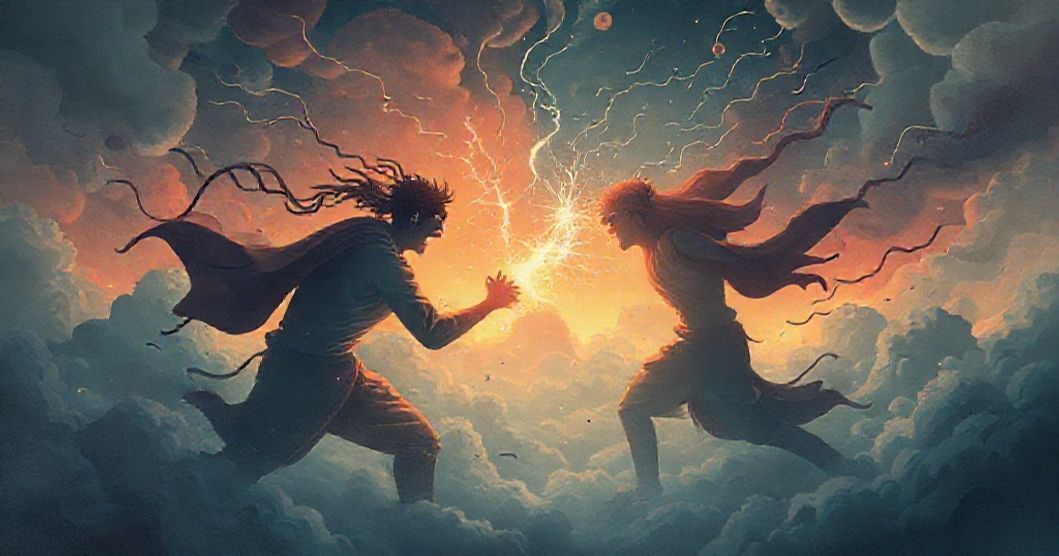
Dreams often serve as our subconscious’ battlefield, where unresolved tensions manifest in vivid, symbolic conflicts. In this case, the recurring theme of combat offers a fascinating window into the dreamer’s inner emotional landscape. Over two consecutive nights, the dreamer encountered increasingly varied adversaries: first an undead army, then a Sith Lord, followed by a Viltrumite—each representing distinct aspects of psychological struggle. The dreams unfold with visceral detail: the undead army’s relentless, moaning advance; the Sith Lord’s ominous, lightsaber-wielding menace; and the Viltrumite’s overwhelming, alien presence. The dreamer notes a consistent pattern of mixed outcomes—victory, stalemate, or temporary success—yet remains uncertain about the dreams’ purpose. This narrative, rich with symbolic imagery and emotional intensity, invites exploration into the deeper meanings of recurring combat dreams.
The rewritten dream captures this progression: Over the past two nights, my sleep has transformed into a battlefield of symbolic combat. Yesterday, I found myself facing an unstoppable undead army—roaming, moaning figures with tattered flesh and hollow eyes, their movements synchronized in relentless waves. I fought with fists and improvised weapons, but the horde pressed forward, their cold, lifeless hands reaching for me as I woke with a gasp. Last night’s dream took a different, equally intense turn: I stood in a dimly lit corridor facing a Sith Lord, his crimson eyes glowing beneath a hood, wielding a lightsaber that hummed with dark energy. The air crackled with tension, my heart pounding as I dodged his swift strikes, adrenaline surging through my veins. Moments later, the scene shifted to a vast alien landscape where a towering Viltrumite loomed—muscular, green-skinned, with an air of overwhelming power. In both dreams, the outcome varied: sometimes I emerged victorious, my body drained but triumphant; other times, the battle ended in a tense draw, neither side claiming clear victory. I’ve noticed a pattern: these combat dreams feel both exhausting and strangely purposeful, yet I remain perplexed by their recurring nature. Despite my best efforts to analyze them, I can’t shake the feeling that they’re trying to tell me something—something about my current life that I’m struggling to recognize or address.
Part 2: Clinical Analysis
Want a More Personalized Interpretation?
Get your own AI-powered dream analysis tailored specifically to your dream
🔮Try Dream Analysis FreeSymbolic Landscape: The Dream’s Key Elements
The recurring combat dreams present a rich tapestry of symbolic imagery that demands careful decoding. The undead army, with its relentless, shambling nature, likely represents persistent, unresolved issues or anxieties that feel inescapable in waking life. These figures embody the “dead weight” of unprocessed emotions or responsibilities—entities that seem to haunt the dreamer’s psyche despite attempts to move forward. The Sith Lord, a character from popular culture associated with power, darkness, and moral ambiguity, introduces themes of internal conflict and ethical tension. This figure may symbolize a part of the self that feels opposing or “dark” aspects of one’s personality, or perhaps external pressures that feel oppressive and morally compromising. The Viltrumite, a character from Invincible known for its overwhelming strength and alien nature, represents existential threats or forces that feel fundamentally outside the dreamer’s control—perhaps systemic pressures, societal expectations, or overwhelming challenges that test one’s limits.
The outcome of these battles—victory, stalemate, or draw—adds another layer of meaning. Consistent victory suggests a subconscious belief in one’s ability to overcome obstacles, even when waking life feels stagnant. The “draw” outcome introduces uncertainty and reflection: perhaps the dreamer recognizes that some conflicts require ongoing negotiation rather than absolute resolution. Together, these symbolic elements form a psychological landscape where the dreamer confronts multiple aspects of internal and external conflict, each represented by a distinct adversary.
Psychological Perspectives: Theoretical Lenses
From a Freudian perspective, these combat dreams may represent the sublimation of aggressive instincts—a natural, unconscious process where raw anger or frustration is channeled into symbolic outlets rather than direct expression. The dreamer’s ability to “win” despite feeling “unable to do much of anything right now” could indicate that the unconscious mind is actively processing and resolving tensions, even when waking life feels paralyzed by inaction. Jungian psychology offers a complementary view, suggesting these dreams reflect the archetypal “Warrior” or “Hero” figure—the dreamer’s inner self striving for wholeness and integration. The diverse adversaries may represent different shadow aspects or parts of the psyche that need acknowledgment and mastery.
Cognitive neuroscience provides another framework: dreams during REM sleep function as emotional processing tools, helping the brain sort through daily stressors and memories. The recurring nature of these dreams suggests a persistent emotional theme that demands attention, perhaps related to unaddressed frustrations or unmet expectations. In this view, the combat dreams are not random but purposeful—a form of mental “rehearsal” for real-world challenges, allowing the brain to practice strategies for conflict resolution in a safe, symbolic space.
Emotional & Life Context: Connecting to Waking Reality
The dreamer’s uncertainty about the dreams’ purpose, paired with the feeling of “not being able to do much of anything right now,” suggests a period of stagnation or frustration in waking life. The recurring combat imagery may reflect a subconscious attempt to regain a sense of agency and control when external circumstances feel limiting. The variety of adversaries—undead (past issues), Sith Lord (moral conflict), Viltrumite (overwhelming pressure)—aligns with the dreamer’s current emotional state: perhaps feeling pulled between different responsibilities, moral dilemmas, and existential pressures that feel simultaneously inescapable and solvable.
The consistent “victory” in dreams despite waking powerlessness hints at a paradox: the unconscious mind may recognize the dreamer’s resilience and inner strength, even when those qualities feel dormant in daily life. This discrepancy between waking self-perception and dreamer’s actions suggests a need for bridging the gap between conscious and unconscious confidence—acknowledging that the ability to “win” in dreams may translate to real-world action, even if not immediately apparent.
Therapeutic Insights: From Dream to Action
The recurring combat dreams offer valuable clues for self-reflection and growth. First, dream journaling—tracking not just the content but also emotions and triggers—can help identify patterns between waking stressors and dream themes. The dreamer might ask: What aspects of my life feel “undead” or inescapable? Where do I encounter “Sith Lord” pressures or “Viltrumite” challenges? These questions can lead to concrete action steps, such as addressing specific anxieties or setting boundaries around overwhelming responsibilities.
For those feeling stuck in waking life, the dreams’ consistent victory offers a reminder of untapped potential. Even if external progress feels limited, the unconscious mind is actively processing and preparing for action. Creative outlets for frustration—such as exercise, art, or writing—can channel the “combat energy” into constructive expression, reducing the need for symbolic release in dreams.
FAQ Section: Addressing Key Questions
Q: Why do I dream about such varied opponents (undead, Sith Lord, Viltrumite)?
A: These diverse adversaries likely represent different aspects of your inner and outer world—unresolved issues, conflicting values, and overwhelming challenges. Each symbolizes a distinct type of struggle you’re navigating.
Q: If I “win” in dreams, does that mean I’ll overcome my current struggles?
A: The “win” symbolizes inner resilience and confidence, not guarantees of immediate success. It suggests your unconscious believes in your ability to adapt, even when waking life feels stagnant.
Q: How can I connect these dreams to my real-life situation?
A: Reflect on recurring emotions during the dreams (fear, determination, relief) and map them to waking experiences. Ask: What in my life feels “unstoppable” or “alien” right now? This mapping can reveal actionable areas for change.
Conclusion: The Unconscious Warrior Speaks
These recurring combat dreams, while initially confusing, ultimately serve as a form of psychological self-care—a space where the dreamer confronts, processes, and gains confidence in the face of life’s challenges. The consistent victory in these symbolic battles reflects an inner truth: resilience exists even when it’s not immediately visible in daily life. By honoring the dreams’ messages and translating them into conscious action, the dreamer can bridge the gap between unconscious potential and waking reality, transforming “can’t do much right now” into “I’m actively processing and preparing.”