
Part 1: Dream Presentation
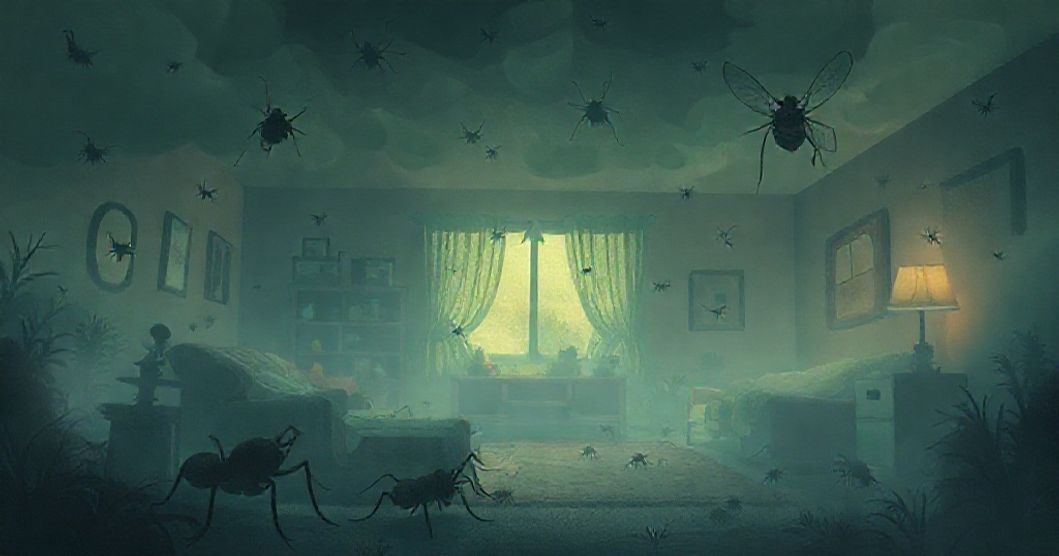
Dreams have an uncanny way of translating our inner landscapes into vivid, often unsettling imagery. This recurring dream offers a window into the dreamer’s emotional world during a period of profound self-exploration. In these nightmares, the dreamer finds themselves in a space that evokes their childhood home—familiar yet charged with hidden tension. The environment, once a source of safety, has transformed into a battleground of sorts, overrun by an array of insects: cockroaches scuttling across sunlit floors, beetles crawling along moldings, and centipedes slithering from dark corners. These creatures aren’t just present; they’ve invaded every surface, from walls to ceilings, creating a sense of inescapable contamination.
The dreamer is the sole observer of this infestation, their panic palpable as they attempt to flee. Meanwhile, others around them remain oblivious or dismissive, treating the dreamer’s distress as exaggerated or irrational. The bugs themselves take on a malevolent quality, crawling intentionally onto the dreamer’s skin and even 'laughing' as if mocking their fear. This pattern repeats multiple times a week for months, creating a cycle of terror that disrupts the dreamer’s sense of security and normalcy.
The dream’s timing coincides with a period of significant emotional processing: the dreamer was engaging in deep conversations with a friend, confronting childhood trauma, and beginning to recognize the lasting impact of past experiences. This context suggests the insects might symbolize something more than literal pests—perhaps unprocessed emotions or traumatic memories that have taken on a life of their own.
Want a More Personalized Interpretation?
Get your own AI-powered dream analysis tailored specifically to your dream
🔮Try Dream Analysis FreePart 2: Clinical Analysis
Symbolic Landscape: The Insects as Emotional Contamination
The bugs in this dream serve as powerful symbolic elements, each carrying layers of meaning. Cockroaches, often associated with decay and filth in cultural symbolism, may represent neglected aspects of the self or unresolved trauma that has 'infested' the psyche. Their omnipresence—crawling on every surface—suggests these issues are not isolated but pervasive, infiltrating all aspects of the dreamer’s life. Beetles, with their hard exoskeletons and deliberate movement, could symbolize resilience paired with defensiveness, while centipedes, with their many legs, might represent overwhelming feelings or the multiplicity of traumatic experiences.
The insects’ malevolent behavior—crawling on the dreamer, 'laughing'—adds another layer of symbolic depth. In dreams, anthropomorphized creatures often embody aspects of the dreamer’s psyche or external relationships. The bugs' intentional mocking could represent the dreamer’s internalized sense of being dismissed or invalidated in waking life, particularly during a period of vulnerability as they process trauma. Their laughter might also symbolize the dreamer’s own internal criticism, the voice that tells them their fears are unfounded or overblown.
Psychological Perspectives: Trauma, Denial, and Unconscious Integration
From a psychoanalytic perspective, Sigmund Freud might interpret these dreams as manifestations of repressed childhood trauma. The childhood home, once a site of safety, becomes a symbol of the dreamer’s internal conflict—trauma that was buried but never truly resolved. The insects, as Freud might see them, represent repressed thoughts and feelings that have 'hatched' into a disturbing external reality.
Carl Jung’s analytical psychology offers a complementary view, suggesting the insects as archetypal representations of the shadow self—the parts of the psyche we disown or fear. The recurring nature of the dream could indicate the shadow’s persistence, demanding attention rather than remaining hidden. Jung might also interpret the home setting as a symbol of the collective unconscious, where ancestral patterns or core beliefs reside.
Neuroscientifically, this recurring dream pattern aligns with the brain’s attempt to process emotional material during sleep. When we’re awake, our prefrontal cortex filters traumatic memories, but during sleep, the amygdala remains active, reprocessing emotional experiences. The bugs could represent the amygdala’s heightened response to unresolved trauma, creating a visceral, almost primal fear response.
Emotional & Life Context: Trauma Processing and Relational Patterns
The dreamer’s context of processing childhood trauma adds critical layers to the interpretation. The fact that the trauma isn’t explicitly tied to the childhood home itself suggests a broader pattern of emotional wounding that transcends specific locations. The dream’s intensity during this period of self-reflection indicates that the mind is attempting to integrate these painful experiences into conscious awareness.
The presence of others in the dream who dismiss the dreamer’s concerns reflects relational patterns in waking life—perhaps situations where the dreamer’s emotions are invalidated or minimized. This dynamic of being misunderstood during vulnerability could explain why the insects' 'laughter' feels particularly painful: it mirrors the internalization of being dismissed by others.
The timing of the dreams—more frequent at the beginning of the current year and end of the previous year—coincides with a period of transition, which often amplifies emotional processing. The dreamer’s engagement with a friend and exploration of childhood trauma created a psychological space for these repressed feelings to surface, manifesting as the invasive insect imagery.
Therapeutic Insights: Acknowledging Contamination, Cultivating Self-Compassion
The recurring dreams offer a valuable therapeutic opportunity: they signal that the dreamer’s inner world is actively working through unresolved trauma. The first step in integration is recognizing the bugs as symbolic rather than literal threats, allowing the mind to distinguish between the psychological and physical realms.
Journaling exercises could help the dreamer unpack the specific emotions triggered by the insects. Asking: 'What does each insect represent to me in this moment?' or 'How do I feel when the bugs crawl on me?' can begin to map the connection between the dream’s imagery and waking emotions.
Therapeutic work might involve exploring the theme of 'contamination'—both literal in the dream and metaphorical in waking life. The dreamer can practice self-compassion by acknowledging that their fear is valid, rather than internalizing the 'laughter' of the bugs as self-criticism.
Integration strategies include creating a 'safety ritual' for moments of overwhelm, such as grounding techniques or mindfulness practices that help transition from the dream’s visceral fear to conscious awareness. Over time, this can help the dreamer differentiate between past trauma triggers and present reality.
FAQ Section
Q: Why do the bugs feel so threatening in the dream?
A: The bugs represent unprocessed emotions or traumatic memories that feel invasive and overwhelming. Their physicality mirrors the visceral nature of trauma, while their intentional 'laughter' reflects internalized feelings of being dismissed.
Q: How can I tell if my dreams are about specific traumas or general patterns?
A: Dreams about recurring settings (like childhood home) often tie to core patterns rather than isolated events. Reflect on whether the bugs feel tied to specific people or themes in your life.
Q: Why do others in the dream dismiss my concerns?
A: This likely reflects relational patterns where your emotions are minimized in waking life. The dream externalizes this dynamic, showing how unaddressed invalidation affects your sense of safety and reality.