
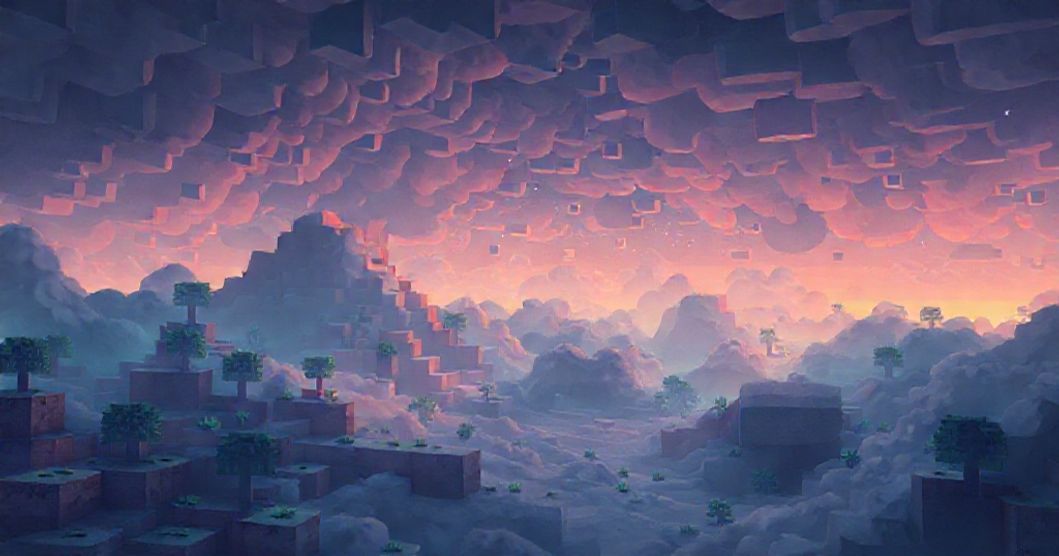
Part 1: Dream Presentation
The boundaries between digital and psychological landscapes often blur in dreams, and this particular dream scenario embodies that liminal space. The dreamer finds themselves in a virtual world reminiscent of Minecraft, where the familiar mechanics of block-building and environment manipulation become tools of self-expression. The dream narrative unfolds as a curious exploration: the dreamer wonders if such a virtual realm can be fully realized within the mind’s sleep-time architecture, questions the permanence of digital creations in dreams, and contemplates the extent of control one might exercise over a virtual landscape while unconscious.
Part 2: Clinical Analysis
Symbolic Landscape: Minecraft Elements as Psychological Metaphors
Want a More Personalized Interpretation?
Get your own AI-powered dream analysis tailored specifically to your dream
🔮Try Dream Analysis FreeThe Minecraft world in this dream functions as a rich symbolic environment. The act of constructing a 'base' represents the dreamer’s need for structure, safety, and creative expression—fundamental human desires to build meaning and security in both digital and waking life. Blocks, as the building material, symbolize modularity and adaptability, suggesting the dreamer’s ability to rearrange their sense of self or circumstances. The question of whether the base 'disappears' when turned away reflects deeper psychological themes about the fragility of constructed identities and the fear of losing control over one’s environment. In dreamwork, virtual environments often mirror the dreamer’s relationship with technology, creativity, and digital presence.
The concept of 'dreaming about being in a video game' taps into the archetype of the 'hero’s journey' within a controlled system—a modern mythos where individuals seek agency and purpose in structured environments. Minecraft’s blocky, rule-based world becomes a canvas for the dreamer’s unconscious creativity, where the usual constraints of physics and reality are replaced by the freedom of digital construction.
Psychological Perspectives: From Jungian Archetypes to Cognitive Dreaming
From a Jungian perspective, the Minecraft world represents the 'collective unconscious' filtered through the dreamer’s specific interests. The archetype of the 'creator' or 'builder' emerges, reflecting the dreamer’s potential for self-actualization through structured creation. Jung might interpret the dream as a manifestation of the 'anima/animus' aspect—the feminine/masculine principle of creative power—in this case, channeled through digital construction.
Freud would likely view the dream as a wish-fulfillment narrative, where the freedom to build without consequence (the dream’s 'disappearing base' question) represents repressed desires for control and mastery. The dream’s focus on a virtual environment could also indicate a need for escape from waking responsibilities, as video games often provide structured yet low-stakes environments for achievement.
Cognitive neuroscience offers another lens: during REM sleep, the brain’s default mode network activates, creating the 'virtual reality' of dreams. The dreamer’s familiarity with Minecraft’s mechanics suggests priming from waking experiences, where the brain reprocesses memories and skills into novel combinations. The question about 'making a Minecraft world in a dream' reflects the brain’s ability to integrate procedural knowledge (game mechanics) with imaginative construction.
Emotional & Life Context: Creativity, Control, and Digital Identity
This dream likely arises from the dreamer’s relationship with creativity, technology, and perhaps feelings of uncertainty in waking life. Minecraft often serves as a space for unstructured creativity, problem-solving, and social connection (in multiplayer modes). Dreaming of embodying this world may signal a desire to reclaim that sense of playful creation in a life that feels increasingly structured or unfulfilling.
The question about 'knowing anything else important' suggests a deeper need for understanding the psychological significance of this experience. The dreamer may be grappling with how technology shapes their sense of self, or seeking validation that such imaginative experiences are normal and meaningful. The concern about the base disappearing when turned away hints at anxiety about the permanence of one’s creations—whether digital, physical, or emotional—in both waking and dreaming states.
Therapeutic Insights: Bridging Digital and Psychological Realities
This dream offers several therapeutic opportunities for the dreamer. First, it encourages reflection on the relationship between technology and self-expression: what aspects of digital creation in dreams mirror waking creativity? The dream suggests that even in sleep, the mind retains and reinterprets the structures we build in waking life, whether through art, technology, or relationships.
A practical reflection exercise could involve journaling about waking experiences that feel 'blocky' or restrictive, then exploring how to apply the creative freedom of the dream’s Minecraft world to those areas. The dream’s emphasis on control over a virtual environment might indicate a need for more agency in waking life—perhaps through setting small, achievable creative goals or exploring new forms of expression.
For those interested in lucid dreaming, this dream highlights the potential for intentional exploration of virtual environments. Keeping a dream journal to note patterns in digital imagery could help identify recurring themes of control, creativity, or escape, allowing the dreamer to develop strategies for navigating these themes more consciously.
FAQ Section
Q: Can I control my actions in a Minecraft-like dream world?
A: Yes—lucid dreaming techniques (recognizing dreams as such) can enhance control. Practice reality checks in waking life to increase awareness during sleep.
Q: Why does the base disappear when I turn away in the dream?
A: This may symbolize anxiety about impermanence or fear of losing control over your creations. Explore what in waking life feels unstable or temporary.
Q: Should I try to induce a Minecraft dream intentionally?
A: Yes, using mnemonic induction techniques (repeating 'I will dream of Minecraft' before sleep) can increase likelihood. Focus on sensory details of block-building to enhance immersion.