
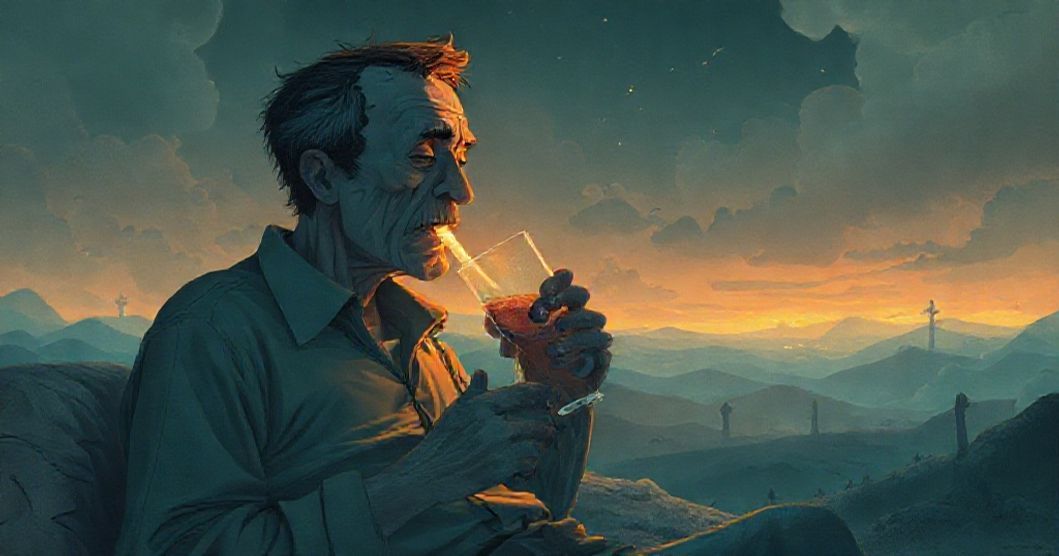
Part 1: Dream Presentation
Dreams serve as windows into our inner emotional landscapes, often reflecting tensions we may not fully recognize in waking life. This particular sequence offers a layered narrative rich with symbolic imagery that invites exploration of psychological themes surrounding social pressure, self-expression, and archetypal encounters. Here is the dreamer’s journey through three distinct nocturnal experiences:
During a family reunion, I found myself sleeping alone in a small camper, the ambient hum of music accompanying my slumber. My first dream transported me to a crowded room where voices roared like a storm—their volume splitting my head as if my skull might crack open from the pressure. I jolted awake, heart pounding, still hearing echoes of that cacophony. Determined to reclaim my peace, I drifted back to sleep, only to find myself in the camper again, now immersed in a different soundscape: thunderous metal music blaring through my headphones. Panic rose as I tried to remove them, but my fingers felt fractured, immobile despite my desperate attempts to free myself. Nausea flooded my stomach, and then I vomited—my teeth, one by one, emerging from my mouth in a grotesque stream. I woke with a gasp, finally yanking off my real headphones to silence the night. Yet sleep called again, and in my third dream, I sat beside a crackling bonfire whose flames cast dancing shadows across my face. A lone cowboy paced the fire’s perimeter, his boots crunching on embers, repeating a phrase with hypnotic urgency: “Come on bone drinking man.” I woke for the third time, the cowboy’s voice still echoing, and chose to remain awake, watching the dawn break over the silent campsite. The “bone drinking man” phrase lingered, a riddle I couldn’t untangle.
Part 2: Clinical Analysis
Want a More Personalized Interpretation?
Get your own AI-powered dream analysis tailored specifically to your dream
🔮Try Dream Analysis FreeSymbolic Landscape: Unpacking Key Dream Elements
The crowded room represents the dreamer’s experience of being overwhelmed by social demands, particularly in the context of a family reunion. This space symbolizes the pressure to conform, perform, or engage in interactions that feel externally imposed rather than authentically chosen. The “splitting head” from loud voices reflects the psychological strain of emotional overload—a common dream theme when one feels unable to escape or regulate social stimuli.
The headphones function as a powerful symbol of boundary-setting and communication barriers. Initially, they represent an attempt to create space from external noise, but their transformation into a source of overwhelming music suggests a conflict between the desire to isolate and the inevitability of being pulled into social experiences. The broken fingers, which prevent the dreamer from removing the headphones, indicate a deeper struggle with agency—feeling unable to exert control over one’s environment or boundaries in waking life.
Vomiting teeth is one of the most striking symbolic elements. In dream analysis, dental imagery often connects to issues of self-expression, particularly speech and identity. Vomiting teeth suggests a loss of control over one’s voice, a feeling of “spitting out” parts of oneself or being unable to articulate needs effectively. This could reflect anxiety about communication failures or fears of judgment that make speaking up feel physically impossible.
The bonfire introduces themes of transformation and ritual. In dream symbolism, fire often represents emotional intensity, purification, or the need to burn away old patterns. The cowboy, a figure from Western mythology embodying independence and rugged self-reliance, appears as a guide or challenger in this scene. His repetitive phrase, “Come on bone drinking man,” introduces an element of mystery and tension—a call to action that remains unresolved, suggesting an invitation to embrace or confront something unknown within the self.
Psychological Perspectives: Multiple Lenses on the Dream
From a Jungian perspective, this dream reveals connections to the collective unconscious through its archetypal figures. The cowboy embodies the “shadow” aspect of the self—the parts of us we may resist or project onto others. His “bone drinking man” call could represent an invitation to confront repressed aspects of the psyche, particularly those related to survival, transformation, or primal urges.
Freudian analysis might interpret the loud music and vomiting teeth as manifestations of repressed desires and anxieties. The forbidden nature of the music (loud metal as a contrast to the expected “family-friendly” environment of a reunion) could symbolize unconscious rebellious impulses, while the dental imagery reflects unresolved conflicts around oral sexuality or power struggles in relationships.
Neuroscientifically, this dream sequence aligns with research suggesting that dreams process emotional memories and problem-solve during REM sleep. The sequence’s progression—from overstimulation to blocked expression to ritualistic confrontation—mirrors the brain’s attempt to integrate fragmented emotions from the day, particularly those surrounding social interactions and identity.
Emotional & Life Context: Family Reunion as Catalyst
The family reunion setting provides critical context for understanding the dream’s emotional undercurrents. Reunions often trigger complex feelings: nostalgia, obligation, competition, or unspoken tensions. The dreamer’s decision to sleep alone in a camper suggests a desire for solitude amid this social environment, creating an internal conflict between the need for connection and the need for autonomy.
The recurring theme of “bone drinking man” hints at a deeper, possibly ancestral or cultural layer of identity. “Bone drinking” evokes rituals of nourishment, transformation, or primal sustenance—a phrase that may resonate with the dreamer’s relationship to family history, traditions, or unspoken family secrets. The cowboy’s persistence could represent the dreamer’s own inner drive to confront these aspects of self or heritage.
Therapeutic Insights: Reflecting on Boundaries and Self-Expression
This dream invites the dreamer to examine their relationship with boundaries, particularly in social contexts. Journaling exercises that map family interactions and identify moments of boundary violation could help clarify where the pressure to conform outweighs authentic expression. The “bone drinking man” phrase suggests an invitation to explore these archetypal aspects through creative visualization or symbolic art.
Practical reflection might involve asking: “What parts of myself feel broken or immobilized in my daily life?” and “How can I reclaim agency over my voice and boundaries?” Activities like mindfulness meditation on breath and sound could help the dreamer practice creating space from overwhelming stimuli, mirroring the headphones’ symbolic role but in a healthy, present-moment way.
FAQ Section: Navigating the Dream’s Symbolism
Q: What does it mean to vomit teeth in a dream?
A: Vomiting teeth often symbolizes losing control of self-expression, particularly speech. It may reflect anxiety about communication failures or fears of judgment that make articulating needs feel physically impossible.
Q: Why does the cowboy keep saying “Come on bone drinking man”?
A: This phrase likely represents an invitation to confront a primal or repressed aspect of self. “Bone drinking” evokes themes of transformation, survival, or ancestral connection, suggesting the dreamer may need to embrace these elements rather than resist them.
Q: How does the family reunion context influence the dream’s themes?
A: Family gatherings often trigger social anxiety and identity conflicts. The dream’s overstimulation, boundary struggles, and archetypal encounters reflect tensions between the need for connection and the need to preserve individuality—a common dynamic during family events.