
Part 1: Dream Presentation
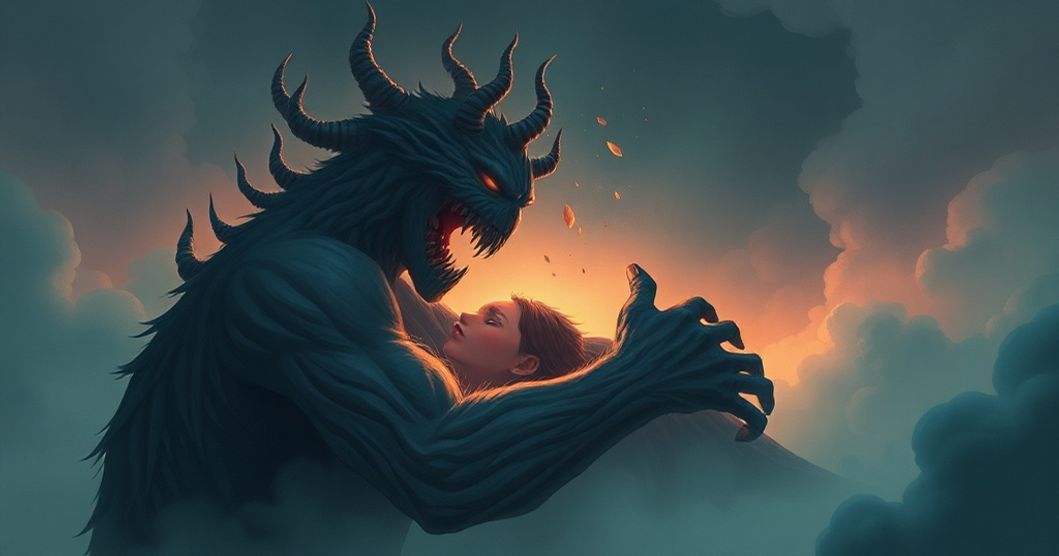
Dreams have long served as windows into the unconscious mind, revealing truths we may not consciously acknowledge. This particular dream, with its gothic horror elements and paradoxical enjoyment of monstrous identity, offers rich psychological terrain for exploration. The narrative unfolds in a vast, shadow-draped house—a space evoking both safety and dread, where the dreamer wanders alongside friends before confronting a grotesque transformation. The environment is distinctly Tim Burton-esque: whimsically grotesque, with viscous slime oozing from every surface and tendril-like appendages slithering from the darkness. What begins as a shared exploration descends into chaos, as the dreamer initially runs with companions—only to discover they are the source of the terror. The transformation from pursuer to pursued, and then to the creature itself, marks a pivotal shift in agency and perspective.
The rewritten dream captures this journey with precision: the dreamer’s initial camaraderie with friends, the unsettling environment, the sudden realization of monstrous identity, and the exhilaration of embracing the predator role. The visceral details—the glistening slime, the writhing tendrils, the shift from fear to thrill—create a vivid psychological landscape that invites deeper analysis.
Part 2: Clinical Analysis
Want a More Personalized Interpretation?
Get your own AI-powered dream analysis tailored specifically to your dream
🔮Try Dream Analysis FreeSymbolic Landscape: The Monster as Shadow Archetype
The monster in dreams typically represents the shadow—a Jungian concept referring to the unconscious aspects of the self we reject or fear. In this dream, the monster is not merely a terrifying figure but an embodiment of power and agency. The Tim Burton aesthetic, with its blend of whimsy and darkness, suggests the dreamer’s relationship with their shadow is complex, neither purely negative nor positive. The house itself functions as a metaphor for the unconscious mind: its labyrinthine halls represent the unknown depths of one’s psyche, while the flickering candlelight symbolizes the tension between awareness and repression.
The slime and tendrils embody the fluid, often uncontrollable nature of repressed emotions or desires. Their glistening, organic quality suggests these elements are not inherently evil but primal and alive, waiting to be acknowledged. When the dreamer realizes they are the monster, they no longer see themselves as separate from the terror—they become the source of it. This transformation mirrors the process of integrating the shadow: initially feared, then accepted, and ultimately wielded as a source of power.
Psychological Undercurrents: Power, Control, and the Paradox of Enjoyment
Freudian theory might interpret this dream as a manifestation of repressed aggressive impulses or the fear of being overpowered. The dreamer’s enjoyment of the nightmare experience could signal a desire to reclaim control in waking life—a common theme when feeling disempowered. Jungian psychology, however, offers a more nuanced perspective: the monster represents the shadow, and the dream’s pleasure in embodying it suggests the dreamer is beginning to integrate previously rejected aspects of self.
Neuroscientifically, this dream may reflect the brain’s default mode network activating during REM sleep, creating a safe space to explore identity and power dynamics. The paradoxical enjoyment of terror suggests the brain is processing emotions that feel threatening in waking life but are ultimately manageable in the dream realm. The dreamer’s ability to shift from victim to predator mirrors the ego’s capacity to adapt to challenges, even those that feel monstrous.
Emotional & Life Context: Embracing the 'Dark Self'
The recurring theme of being the monster hints at a waking life pattern where the dreamer may often feel like the 'victim'—perhaps in relationships, work, or personal goals. The dream’s thrill of hunting friends suggests a desire to break free from perceived constraints, to take risks and assert dominance in situations where one feels powerless. The Tim Burton aesthetic’s gothic whimsy might reflect a creative or artistic side that feels at odds with societal expectations of 'normalcy.'
The enjoyment of the nightmare could also indicate a need for self-validation: if the dreamer often feels overlooked or diminished in waking life, the dream provides a space to experience power and significance. This pattern of 'becoming the monster' might be a healthy psychological process, though it’s important to distinguish between the dream’s symbolic value and waking reality.
Therapeutic Insights: Integrating Shadow, Not Suppressing It
This dream offers an invitation to explore the 'dark self' without judgment. Journaling exercises could help the dreamer reflect on waking life situations where they feel disempowered. Asking: 'Where do I feel like the victim in my life?' or 'What parts of myself do I reject?' can reveal patterns to address.
Therapeutic approaches like shadow work, where the client explores and integrates previously disowned aspects of self, align with this dream’s message. The dream suggests the shadow is not inherently threatening but a source of strength and understanding. By embracing the monster, the dreamer gains insight into their capacity for both destruction and creation.
FAQ Section
Q: Is enjoying being the monster in dreams a sign of psychological problems?
A: No—this is common and often healthy. It suggests the dreamer is exploring power dynamics and integrating previously repressed aspects of self without violating ethical boundaries.
Q: Why do I feel pleasure in being the monster instead of the victim?
A: This pleasure likely reflects a desire for agency. If the dreamer often feels powerless in waking life, the dream provides a safe space to test dominance and feel significant.
Q: How can I apply this dream’s insights to my waking life?
A: Reflect on situations where you feel disempowered. Identify one area to reclaim control, using assertive communication or creative expression to embody the 'power' from the dream symbolically.