
Part 1: Dream Presentation
Dreams that repeat like a persistent melody often serve as emotional compasses, guiding us toward truths we may be avoiding in waking life. This particular dream, which has haunted the dreamer for over three decades, offers a window into the unconscious mind’s persistent attempts to communicate. Unlike fleeting dreams that vanish by morning, this recurring vision carries a weighty emotional resonance, its details etched into the dreamer’s psyche with remarkable consistency.
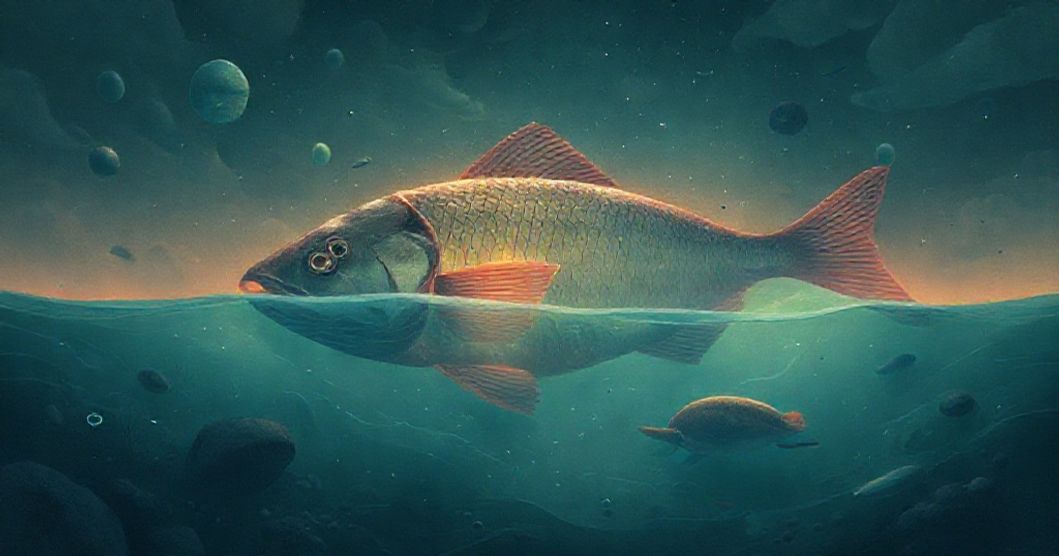
The dream unfolds in a surreal hybrid of the familiar and the uncanny: the childhood bedroom transformed into an aquarium-filled space, water as tangible as air, fish that move with both life and impending death. Initially, the fish thrive—their silver scales shimmer, their movements lively—creating a sense of vitality and abundance. But as the dream progresses, a subtle shift occurs: the water darkens, the fish slow, and their eyes lose their spark. The dreamer’s panic intensifies as they realize the cause: forgotten feeding. The hands fumble, the food is inadequate, and the fish, once vibrant, become still. The filter’s hum, a faint reminder of order, becomes a hollow mockery of care. This sequence—vitality to neglect to death—recurs with uncanny precision, yet the dreamer cannot explain its origin or why fish specifically.
Part 2: Clinical Analysis
Want a More Personalized Interpretation?
Get your own AI-powered dream analysis tailored specifically to your dream
🔮Try Dream Analysis FreeSymbolic Landscape of the Dream
To unpack this dream, we must first examine its core symbols and their psychological significance. The fish, as a central symbol, carries multiple layers of meaning. In Jungian psychology, fish often represent the collective unconscious—their fluid movement through water mirrors the unconscious mind’s depth and the flow of emotions. They can also symbolize creativity and emotional energy: when fish die in dreams, it may signify the death of creative potential or emotional vitality. The specific medium of water reinforces this theme, as water in dreams traditionally represents the unconscious, intuition, and emotional depth. The aquarium itself, a contained space, suggests a controlled environment that has lost its balance, with the dreamer as both observer and potential caretaker.
The act of forgetting to feed the fish is perhaps the dream’s most charged symbol. Forgetting implies a disconnection from responsibility—a failure to maintain what was once nurtured. This could represent neglected aspects of the self: unmet needs, abandoned hobbies, or relationships that once thrived but now lack attention. The crumbly, old food the dreamer struggles to use further emphasizes this neglect—what was once vital (fresh, nourishing sustenance) has become stale and ineffective, mirroring how unaddressed issues lose their power to sustain life.
Psychological Perspectives: Layers of Understanding
Freudian theory might interpret this dream through the lens of repressed memories or unfulfilled desires. The fish could represent repressed aspects of the self that need acknowledgment, while the “forgetting” might stem from an unconscious defense mechanism against anxiety about responsibility. Jungian analysis, however, would emphasize the recurring nature of the dream as a sign of the shadow self—a part of the psyche that demands integration. The shadow here could manifest as the dreamer’s fear of failure or inadequacy in caring for important things, even if those things are not literal responsibilities.
Cognitive dream theory offers another framework: the dream as a problem-solving mechanism. The repeated scenario of “forgetting to feed” may reflect waking anxieties about time management, self-care, or maintaining balance. During sleep, the mind processes unresolved tasks or emotional conflicts, and the fish dying becomes a metaphor for these conflicts reaching a breaking point. From a neuroscience perspective, recurring dreams often indicate areas of the brain still consolidating emotional memories, suggesting the dreamer’s unconscious is repeatedly reprocessing a significant emotional event or theme.
Emotional and Life Context: Unpacking the Subtext
The dream’s 30-year duration suggests it has been with the dreamer through decades of life transitions, relationships, and responsibilities. The recurring nature implies an underlying issue that has persisted despite life changes. Perhaps the dreamer has experienced periods of neglecting personal passions, relationships, or self-care—areas that, like the fish, require consistent attention to thrive. The specific “fish” could be tied to a past event: maybe a childhood memory of caring for pets or fish, a career change that left creative pursuits abandoned, or a relationship that faded due to inattention.
The emotional tone of the dream—panic, helplessness, and sadness—aligns with themes of unmet expectations or guilt. The dreamer may feel a sense of responsibility for things they’ve let slip, even if those things are intangible. The fish’s silent death, without explanation, mirrors the dreamer’s own confusion about why certain patterns persist in their life. This could relate to broader feelings of being out of control, where even small acts of care (feeding fish, tending to relationships) feel impossible to maintain, leading to a cascade of emotional neglect.
Therapeutic Insights: Listening to the Dream’s Message
The recurring fish dream offers an invitation to explore neglected aspects of life with curiosity rather than judgment. Journaling exercises can help the dreamer connect the dream to waking life: When did the dream first appear? Were there significant life changes around that time? What responsibilities or relationships have felt “unfed” recently? Mindfulness practices, such as daily check-ins with the body to notice when it’s “neglecting” itself (physically, emotionally, or creatively), can help bridge the gap between the dream’s imagery and real-life action.
Therapeutically, this dream suggests the need for emotional accountability. The fish, once vibrant, now dying, represent parts of the self that need intentional care. The dreamer might benefit from creating small, consistent rituals to nourish these neglected areas—whether through creative hobbies, meaningful relationships, or self-care practices. By addressing these “unfed” aspects, the dream’s message of neglect can transform into one of renewal and balance.
FAQ Section: Addressing Common Questions
Q: Why do the fish specifically die in the dream?
A: Fish often symbolize emotional or creative energy in dreams. Their death may represent these vital forces being neglected, requiring the dreamer to identify what’s losing vitality in waking life.
Q: How does the “forgetting to feed” relate to waking responsibilities?
A: Forgetting to feed mirrors real-life neglect of responsibilities or self-care. It suggests the dreamer may be avoiding tasks or relationships that need consistent attention to thrive.
Q: What if the dreamer has never had a real aquarium?
A: The aquarium is symbolic, not literal. Its presence reflects the dreamer’s internal “aquarium”—a space of care and growth that needs tending. The lack of a real aquarium may signify how such care has been overlooked in waking life.
Part 3: Integration and Conclusion
The recurring fish dream is a powerful reminder that the unconscious communicates through metaphor, not direct messages. For three decades, it has gently insisted the dreamer pay attention to neglected aspects of self and life. By acknowledging the fish as symbols of vitality and the act of forgetting as a call to action, the dreamer can transform this recurring vision into a tool for growth.
The solution lies not in decoding the dream’s “meaning” but in acting on its emotional truth: that certain parts of life require consistent care. Whether through creative pursuits, relationship nurturing, or self-compassion, the dream invites the dreamer to “feed” what’s been neglected, allowing the unconscious to release its persistent message of care and renewal. In this way, the dying fish dream becomes not a curse but a guide—a reminder that even the smallest acts of attention can prevent the slow, silent death of what truly matters.