
Part 1: Dream Presentation
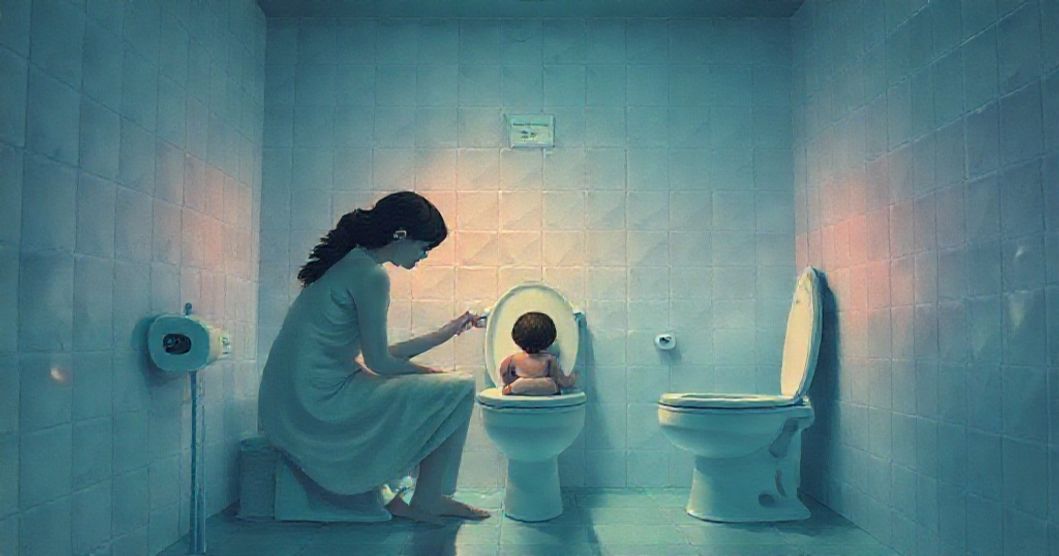
Dreams of urgent bodily needs often serve as visceral reminders of our deepest anxieties, and this recurring dream about searching for bathrooms carries particular emotional resonance. In my sleep, I find myself gripped by an overwhelming, physical urgency to urinate—a pressure so intense it feels like my body might burst at any moment. I race through dimly lit hallways, past doors that either won’t open or lead to dead ends, my heart pounding with each step. The world around me shifts between familiar and alien: sometimes it’s my childhood home, other times a public building I can’t quite place, but always the same disorienting sense of being lost. I pass countless doors marked with bathroom symbols, but each one reveals a scene of grotesque neglect. The toilets are perpetually clogged, their bowls overflowing with murky water that reeks of rot and stagnant filth. Toilet paper clogs the seats and floors, which glisten with wetness that soaks through my shoes with every step. When I finally find a usable stall (if I’m lucky), the relief is fleeting—no sooner do I sit than the water rises, or the toilet gurgles and floods the space, leaving me standing in ankle-deep slime. My desperation sometimes leads to absurd attempts: I’ll squat against the wall, legs trembling, trying to find a way to relieve myself without touching the filth, or I’ll press myself against a sink, hoping for a trickle of water, but my body always betrays me. Just as I think I’ve found a solution, the dream fractures, and I wake with a gasp, bladder still aching, heart racing, and the residue of that uncleanliness clinging to my mind. This time, though, the dream took a new turn. As I stumbled through a maze of hallways, I spotted my mother standing at the end of a corridor, her face etched with the same desperate urgency I felt. Without conscious thought, I rushed toward her, my voice cracking with emotion: “Mom, please don’t use that bathroom! It’s too dirty, you’ll get sick!” My plea felt urgent, almost irrational, as if my dream self knew without a doubt that she’d be harmed by the same uncleanliness I’d endured. She looked at me with a mix of confusion and concern, and I tried to explain, though words eluded me in the dream’s chaos. The weight of my protective instinct felt so real that when I woke, the memory lingered—the texture of my mother’s confused expression, the knot of fear in my chest, and the unsettling realization that even in a dream, my relationship with her was still tangled up in care and fear.
Part 2: Clinical Analysis
Symbolic Landscape: The Toilet as Psychological Metaphor
Want a More Personalized Interpretation?
Get your own AI-powered dream analysis tailored specifically to your dream
🔮Try Dream Analysis FreeThe recurring dream of urgent urination carries significant symbolic weight, beginning with the most literal interpretation: the body’s physical need during sleep often reflects psychological urgency. In dreamwork, the toilet functions as a powerful symbol of control over bodily functions and emotional boundaries. The inability to find a clean bathroom represents a deeper struggle with maintaining order in one’s life. The recurring search for a solution that never materializes suggests unresolved conflicts or unmet needs that persistently intrude into waking consciousness. The unclean, clogged toilets symbolize obstacles to emotional clarity—filth and stagnation represent repressed emotions or behaviors we find difficult to confront. The wet floors and overflowing water amplify this sense of chaos, mirroring how our unconscious anxieties can feel inescapable and overwhelming.
The mother’s unexpected appearance adds another layer of symbolism. In dream psychology, maternal figures often represent nurturing, protection, and the internalized values we carry from childhood. Her presence in the dream, combined with the dreamer’s desperate pleas to protect her from the unclean bathroom, suggests a complex relationship dynamic. The mother symbolizes both the source of comfort and potential vulnerability, while the protective instinct reveals a desire to shield loved ones from the same discomfort we feel in waking life. This could indicate unresolved concerns about the mother’s well-being or a desire to protect others from the same emotional “uncleanliness” we experience internally.
Psychological Undercurrents: Layers of Meaning
From a Freudian perspective, dreams of bodily urgency often stem from repressed desires or anxieties that manifest in symbolic form. The inability to relieve oneself represents blocked emotional expression—urination symbolizes release, so the recurring failure to find a clean bathroom suggests unresolved emotions that need processing. The dream’s emphasis on uncleanliness might reflect guilt or shame about certain behaviors or thoughts we struggle to “flush” from our minds. In Jungian psychology, the mother figure could represent the shadow aspect of the self—the unconscious parts we either fear or idealize. The dream’s tension between the need to protect and the need to seek relief mirrors the Jungian concept of individuation, where we balance our internal needs with our relationships to others.
Cognitive theory offers another lens: our brains process stress during sleep, and dreams about bodily functions often correlate with real-life stressors. The dream’s focus on control (or lack thereof) might reflect waking life anxieties about maintaining order, especially in areas like health, relationships, or work. Neuroscience explains that during REM sleep, the brain’s limbic system (emotional center) remains active, while the motor cortex is inhibited—creating the paradoxical experience of intense physical sensations without the ability to act. This explains why the dream feels so urgent yet uncontrollable, as the brain is reprocessing emotional stressors through the lens of bodily functions.
Emotional & Life Context: Unpacking the Dreamer’s Reality
The recurring nature of this dream suggests underlying emotional patterns that persistently resurface. The physical urgency to urinate might reflect anxiety about losing control in waking life—perhaps related to responsibilities, relationships, or health concerns. The unclean bathroom symbolizes environments or situations we perceive as “toxic” or unsanitary, whether literal (like messy living spaces) or metaphorical (like strained relationships or unprocessed emotional conflicts). The dreamer’s protective instinct toward the mother hints at a desire to shield loved ones from harm, possibly indicating that the mother’s well-being is a source of anxiety or that the dreamer feels responsible for others’ comfort.
The specific context of needing to pee before waking (a common trigger for these dreams) suggests a connection to physical discomfort that translates into psychological urgency. If the dreamer experiences anxiety about bodily functions in waking life, this could manifest as recurring dreams about them. The contrast between the external uncleanliness and the internal protective instinct reveals a tension between self-preservation and altruism—a struggle many people face when balancing their own needs with those of others.
Therapeutic Insights: Navigating the Dream’s Message
Dreams like this offer valuable clues for emotional growth. First, journaling about the dream’s details can help identify patterns in waking life stressors. The recurring bathroom search might signal a need to address unprocessed emotions—consider asking: What “unclean” feelings or situations am I avoiding? What responsibilities or relationships feel like “clogs” in my life? Reflective questions about the mother’s role in the dream can reveal deeper truths about the dreamer’s relationship with caregiving and self-protection.
Practical steps include body awareness practices to reduce sleep-related anxiety. Before bed, practicing deep breathing or progressive muscle relaxation can help reduce physical tension that translates into dream imagery. Addressing the underlying emotional blocks—whether through therapy, creative expression, or mindfulness—can help resolve the “unclean” feelings symbolized in the dream. The protective instinct toward the mother might suggest the need to extend that care to oneself, practicing self-compassion and setting boundaries to avoid feeling overwhelmed by others’ needs.
FAQ Section
Q: Why do I keep having dreams about needing to pee?
A: Recurring bathroom dreams often reflect unmet emotional needs or unresolved conflicts. The inability to find a clean solution suggests persistent issues requiring attention, while the physical urgency mirrors anxiety about losing control in waking life.
Q: What does it mean when my mom appears in these dreams?
A: The mother symbolizes nurturing and protection, while her presence with the unclean bathroom suggests a desire to shield loved ones from discomfort. This may indicate unresolved concerns about the mother’s well-being or a need to protect others from your own internal struggles.
Q: How can I stop having these disturbing dreams?
A: Address waking stressors through journaling or mindfulness. Practice self-compassion and boundary-setting, and consider discussing underlying concerns with a therapist. Before bed, focus on releasing physical tension to reduce the intensity of the dream’s urgency.