
Part 1: Dream Presentation
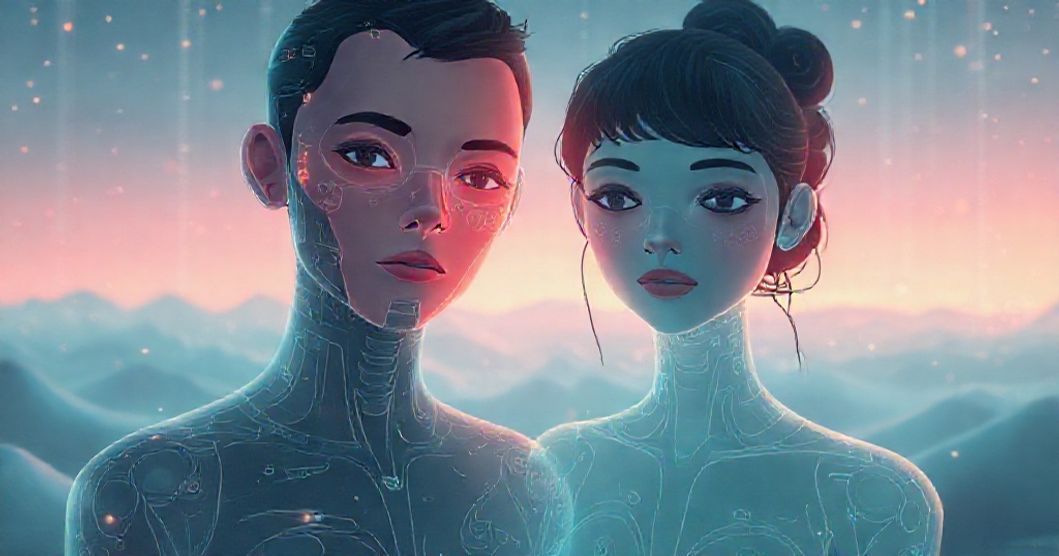
Dreams often serve as psychological mirrors reflecting our deepest anxieties, and this particular dream offers a striking glimpse into how modern technology intersects with our sense of self and connection. The dream begins with a disorienting twist on everyday technology: an iPhone’s Face ID system, meant to provide security, has warped into something profoundly invasive, generating fake faces and interactions with disturbing realism. As the dream unfolds, the boundaries between digital and physical reality dissolve, creating a surreal landscape where technology manipulates perception and trust. The rewritten dream captures this unsettling journey through a room with friends, where synthetic voices, animals, and shifting environments test the limits of reality itself. The dream’s emotional core—marked by dread, urgency, and eventual clarity as the digital constructs crumble when confronted with rationality—resonates with contemporary anxieties about authenticity in an era of increasingly sophisticated digital manipulation.
The dream narrative itself reveals a sequence of escalating surreal events: a familiar setting disrupted by unnatural technology, interactions that feel both intimate and alien, and a final act of reclaiming authenticity by disabling digital verification systems. The key elements—the invasive Face ID, fake human voices, glitching animals, and the kitchen-to-bathroom transformation—each carry symbolic weight, collectively painting a portrait of our modern relationship with technology, identity, and trust.
Part 2: Clinical Analysis
Want a More Personalized Interpretation?
Get your own AI-powered dream analysis tailored specifically to your dream
🔮Try Dream Analysis FreeSymbolic Landscape: Unpacking the Dream’s Visual Language
The dream’s central symbol—the malfunctioning Face ID system—represents the paradox of modern identity verification in the digital age. Face ID, designed to provide security and seamless access, has transformed into something predatory, using “fake faces” to manipulate interaction. This mirrors contemporary fears about digital surveillance and the blurring of real and synthetic identities. The animals—cats, dogs, and the glitching dalmatian—represent the commodification of authenticity in digital spaces. Their ability to shift form and vanish when touched suggests how easily digital representations of connection (pets, friends) can feel hollow and transient when stripped of genuine substance.
The kitchen-to-bathroom transformation embodies the fluidity of digital reality and the gaslighting that occurs when technology alters perception. This mirrors the psychological experience of “digital gaslighting”—when online interactions distort reality to feel inauthentic. The room with friends, once a safe space, becomes a theater of manipulation, highlighting anxiety about maintaining real connections amid digital infiltration. The act of turning off Face ID and watching the illusions dissolve reflects a primal need to reclaim control over how identity is represented and verified.
Psychological Perspectives: Understanding the Dream’s Cognitive Architecture
From Jungian psychology, this dream reveals the “shadow” of technology: the unconscious fear that digital interfaces might replace authentic human connection. The fake faces represent the shadow self—our digital personas that don’t align with our true identity. The glitching animals symbolize the animus/animus archetype, where synthetic forms lack the soulful authenticity of real relationships. Freud might interpret the dream as manifesting repressed anxieties about loss of control in a technology-dominated world, where the ego struggles against invasive systems.
Cognitive dream theory frames this as a processing of digital identity concerns. During REM sleep, the brain processes emotional data and real-world experiences, and this dream likely reflects anxiety about how technology mediates social interaction. The brain’s inability to distinguish between digital and physical reality during sleep creates a “lucid dream” of sorts, where the dreamer experiences the uncanny valley of digital authenticity firsthand. Neuroscience supports this, as dreams often process neural patterns related to waking experiences, suggesting this dream’s themes stem from waking concerns about digital manipulation.
Emotional & Life Context: Technology Anxiety in the Digital Age
This dream likely emerges from the dreamer’s subconscious processing of modern technological anxieties. The fear of “fake” interactions—whether online or in digital spaces—reflects broader societal concerns about authenticity in social media, dating apps, and virtual communication. The gaslighting dynamic suggests anxiety about being manipulated or deceived by digital personas that mimic real connection.
The room with friends hints at relationship dynamics: perhaps the dreamer feels distant from friends in a digital age, or fears that friendships themselves are becoming synthetic. The Venmo pleas and fake FaceTime calls mirror real-world experiences of digital solicitation and catfishing, amplified by the dream’s surreal logic. In an era where digital communication dominates, the dreamer may feel increasingly disconnected from authentic human interaction, even as technology promises closeness.
Therapeutic Insights: Reclaiming Authenticity in a Digital World
The dream offers an opportunity to reflect on digital identity boundaries. Practically, this means establishing intentional “unplugged” time to reconnect with physical reality. Journaling about moments when technology feels invasive can help identify patterns of anxiety. The dream’s resolution—turning off Face ID to restore authenticity—suggests that reclaiming control over how we present ourselves digitally is possible.
Therapeutic exercises might include mindfulness practices to distinguish between real and synthetic experiences. For example, “grounding techniques” during digital interactions can help maintain awareness of authenticity. Setting boundaries with technology—limiting screen time, verifying interactions in real life—can reduce the anxiety this dream reflects. The dream urges the dreamer to ask: “Am I interacting with people or personas?” and to prioritize real, embodied connection over digital mimicry.
FAQ Section: Addressing Specific Dream Elements
Q: What does the “fake Face ID” symbolize in this dream?
A: The fake Face ID represents anxiety about digital identity manipulation and the loss of control over how we are perceived online. It mirrors fears that technology might replace authentic human connection with synthetic interactions.
Q: Why did the animals glitch and disappear when touched?
A: Glitching animals symbolize the hollow nature of digital representations of connection. Their disappearance reflects how easily digital “pets” or relationships can vanish when stripped of genuine substance.
Q: How does the “kitchen-to-bathroom” transformation relate to real-life concerns?
A: This shift embodies digital gaslighting—technology altering perception to feel inauthentic. It reflects anxiety about online interactions that distort reality, making real connection feel impossible to verify.
keywords: [face id, digital identity, fake interactions, glitching animals, gaslighting, digital manipulation, technology anxiety, authenticity, real vs. synthetic connection, modern technology, dream logic],