
Part 1: Dream Presentation
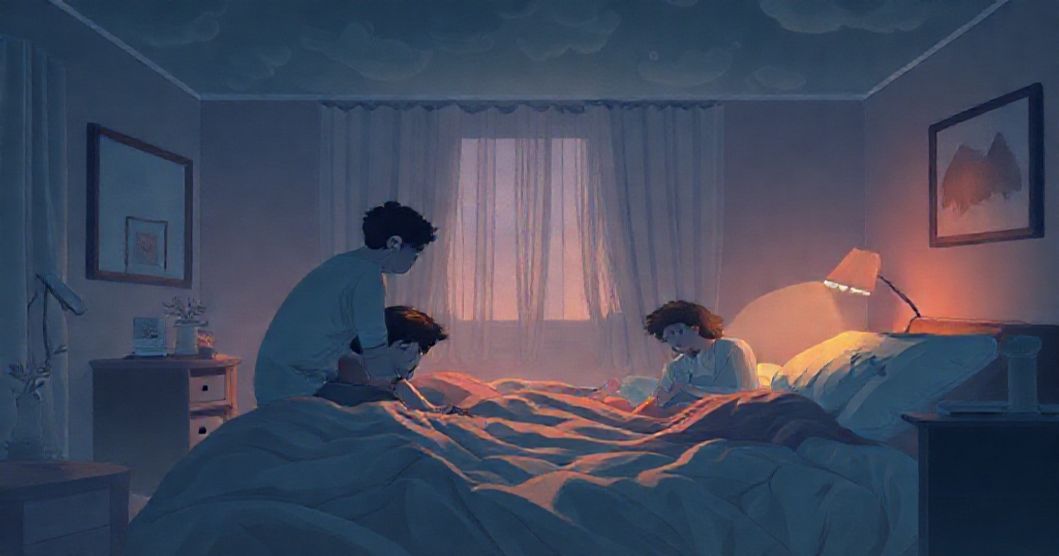
Dreams often arrive unannounced, carrying emotional weight that lingers long after waking. This particular dream, experienced at 3am, unfolds as a vivid narrative of fear, family, and the fragility of safety. The dream begins in a living room bathed in the blue glow of a laptop screen—a familiar setting where the dreamer is engaged in ordinary activity, sending voice messages. This mundane moment is abruptly interrupted by a mother’s question: What type of tortas can you make? The question, seemingly random, introduces a stark contrast between normalcy and impending crisis. The dreamer, who admits to not being able to cook, offers chicken as an answer, highlighting a moment of vulnerability in an otherwise chaotic scenario.
The brothers’ presence—one 17, the other 27, with the older brother absent from daily life in the dream—adds complexity to the family dynamic. Their panicked reaction to a break-in propels the dream into a sequence of escalating fear: the brothers rush upstairs, the dreamer follows, and they barricade themselves in the parents’ bedroom. The tension peaks as an intruder ascends the stairs, knocking insistently, and the dreamer calls 911, seeking external validation of safety. This sequence—from ordinary task to life-threatening emergency—creates a narrative arc that mirrors the emotional journey of anxiety itself: starting with calm, disrupted by unexpected fear, and ending in a desperate attempt to regain control.
The dream concludes at 3am, a time associated with liminality and heightened emotional sensitivity, leaving the dreamer gasping and disoriented. This timing, combined with the dream’s intensity, underscores the psychological significance of the experience, as the dreamer grapples with whether this was a reflection of real fears or something more symbolic.
Want a More Personalized Interpretation?
Get your own AI-powered dream analysis tailored specifically to your dream
🔮Try Dream Analysis FreePart 2: Clinical Analysis
Symbolic Landscape: The Break-In as a Metaphor for Unresolved Fears
The break-in in this dream serves as a powerful symbolic representation of the dreamer’s underlying anxiety about safety and vulnerability. In dream psychology, intruders often embody repressed fears or perceived threats, even when those threats are not literal. The dream’s specificity—the two men, the stairwell, the parents’ bedroom as a refuge—suggests a deep-seated need for protection, whether from external danger or internal chaos. The 3am timing aligns with the 'witching hour' in folklore, a period associated with increased intuition and fear, which may explain why the dreamer experiences it as particularly vivid.
The tortas question introduces an unexpected, mundane element into the crisis. This contrast between a simple culinary query and a life-or-death scenario is significant: it mirrors how anxiety can insert itself into ordinary moments, turning routine tasks into sources of stress. The dreamer’s admission of not being able to cook underscores feelings of inadequacy or uncertainty, even in situations where they should feel capable of contributing. This mundane detail humanizes the dream, showing how even small insecurities can become magnified in the face of larger fears.
Psychological Undercurrents: Anxiety, Family, and the Unconscious
From a psychological perspective, this dream can be explored through multiple lenses. Jungian analysis might view the intruders as manifestations of the dreamer’s 'shadow'—unacknowledged fears or aspects of self that feel threatening. The brothers, both present and absent (the older brother not living at home), represent different aspects of the dreamer’s relationship to family: the younger brother (17) may symbolize vulnerability or the need for protection, while the older brother (27) could represent separation or the dreamer’s own sense of responsibility toward family members. The parents’ bedroom as a refuge suggests a desire for safety within one’s roots, a common theme in dreams about home security.
Freudian theory would focus on the manifest content (the break-in) versus the latent content (unresolved anxieties about safety, possibly related to childhood experiences or recent stressors). The 911 call reflects a need for external control, a common defense mechanism in dreams where the dreamer feels powerless. The voice messages and laptop activity might symbolize attempts to connect or document experiences, yet the dream disrupts these attempts, highlighting how anxiety can override even productive behaviors.
Neuroscientifically, this dream likely relates to REM sleep, where emotional memories are consolidated. The dreamer’s hypervigilance about break-ins (evidenced by waking thoughts like 'what if someone broke in') may have activated the amygdala during sleep, leading to the dream’s intensity. The brain’s tendency to process emotional memories during REM explains why anxiety dreams often feel more vivid and threatening than ordinary dreams.
Emotional Context: Safety, Family, and Daily Stressors
The dream’s emotional core centers on the fear of losing control and the fragility of safety—a theme deeply tied to the dreamer’s waking anxiety. The dreamer mentions 'really bad anxiety' and 'thoughts before of 'what if someone broke in''—these are not just random fears but likely tied to real-life triggers, such as news about break-ins, neighborhood incidents, or personal experiences with vulnerability. The 3am waking times suggest sleep disruption due to hyperarousal, a common consequence of anxiety.
Family dynamics play a role: the mother’s question about tortas could represent a desire for normalcy in the face of chaos, while the brothers’ presence (and absence) highlights the dreamer’s complex feelings about family relationships. The older brother, who 'doesn’t live with us anymore,' may symbolize a sense of loss or distance within the family unit, making the dreamer feel responsible for maintaining safety despite external changes.
Therapeutic Insights: Navigating the Dream’s Message
This dream offers an opportunity for the dreamer to validate their anxiety while distinguishing between symbolic and literal threats. First, it’s crucial to recognize that dreams do not predict the future but reflect the emotional state of the dreamer. The break-in is a metaphor for internal chaos—the dreamer’s mind feeling 'invaded' by persistent fears, not an actual threat.
Practical steps to process this dream include:
1. Grounding exercises: When intrusive thoughts about break-ins arise, use the 5-4-3-2-1 technique (naming 5 things you see, 4 you feel, etc.) to return to the present moment.
2. Sleep hygiene: Establish a consistent sleep schedule, avoiding screens before bed, to reduce REM sleep disruption and anxiety dreams.
3. Journaling: Write down the dream and any associated waking thoughts. This externalization can reduce the power of intrusive anxieties.
4. Gradual exposure: If the fear of break-ins stems from hypervigilance, gradually expose yourself to low-risk situations (e.g., checking locks) to build confidence in safety.
5. Emotional processing: The dream’s imagery of family and protection suggests the need to reconnect with supportive relationships. Discussing fears with trusted family members can transform isolation into shared security.
FAQ Section
Q: Is the dream a prediction of real danger?
A: No. Dreams reflect emotional states, not future events. The break-in symbolizes anxiety about safety, not a premonition. Real danger requires evidence, while dreams use metaphors for internal feelings.
Q: Why did the dream include the tortas question?
A: The mundane question represents normalcy disrupted by fear. It highlights how anxiety can insert itself into ordinary moments, turning routine into stress. The dreamer’s inability to cook mirrors feelings of inadequacy in chaotic situations.
Q: How can I differentiate between real anxiety and dream symbolism?
A: Real anxiety has actionable triggers (e.g., a noisy neighborhood), while dream symbolism is abstract. Use grounding techniques to separate internal fear from external reality, and consider journaling to track patterns.