
Part 1: Dream Presentation
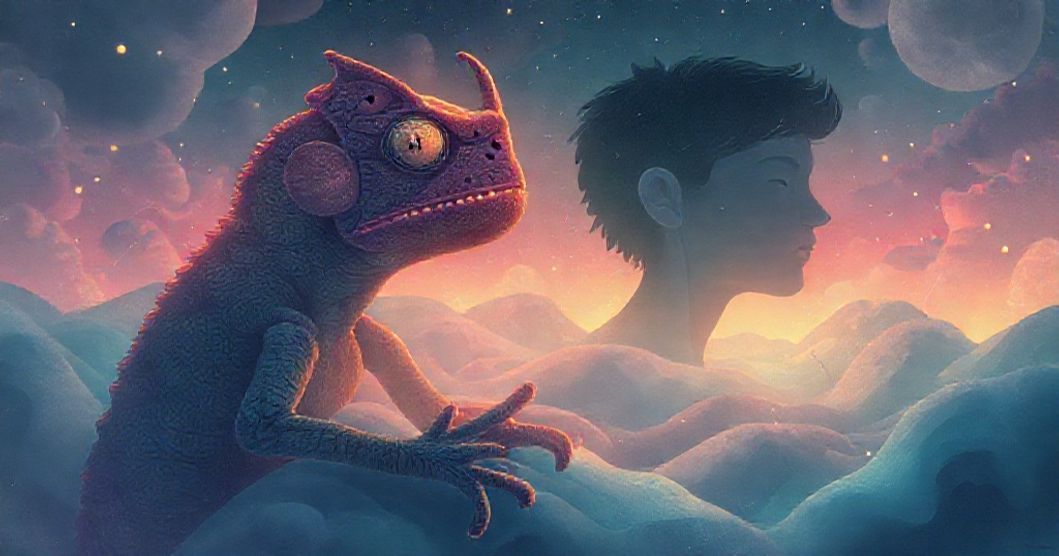
Dreams often serve as portals to our unconscious, where the mind plays with the boundaries of self and other. For this dreamer, the unconscious has crafted a playground of radical identity exploration, with the 'self' emerging as a rare, fleeting presence in only 10% of their dreams. In the majority of these nocturnal narratives, they observe themselves through third-person eyes, stepping into roles as diverse as a middle-aged Italian Mafia matriarch, an 8-year-old Persian peasant boy swept away in a river, a 30-something Jewish woman caught in rain, and even the actress Nina Dobrev amid a zombie apocalypse. When they do embody their own self, age rarely matches their 20s, shifting between adolescence and elderhood. These dreams are not mere fantasies but intricate psychological maps, each character and scenario encoding layers of the dreamer’s inner world.
Part 2: Clinical Analysis
Symbolic Landscape of Identity: The Many Faces of the Dreamer
Want a More Personalized Interpretation?
Get your own AI-powered dream analysis tailored specifically to your dream
🔮Try Dream Analysis FreeThe dreamer’s recurring theme of non-self identities speaks to a profound exploration of the unconscious self. The Mafia matriarch and her son represent power dynamics and family bonds, possibly reflecting cultural or familial expectations. The 8-year-old Persian peasant boy in a river evokes vulnerability, displacement, and the 'collective shadow' of historical trauma, while the Jewish woman in the rain symbolizes emotional exposure and connection. Nina Dobrev, a known actress, might reflect the dreamer’s attraction to a public persona or a desire for fame. The age discrepancy—teen to grandma—suggests not just temporal variation but the dreamer’s unconscious consideration of life stages, mortality, and how identity evolves across eras.
Psychological Currents: Jungian, Freudian, and Neurocognitive Perspectives
From a Jungian lens, these diverse identities align with the 'persona' archetype—the mask we present to the world—and the 'shadow' archetype, representing repressed or denied aspects of self. The dreamer’s cross-cultural, cross-gender, and cross-age roles may reflect the collective unconscious’s universal archetypes: the mother (Mafia matriarch), the child (river boy), the lover (Jewish woman), and the survivor (zombie apocalypse). For Freud, these could signal repressed desires or unresolved conflicts; the Mafia’s power might mirror unexpressed authority, while the river’s current could represent repressed emotions. Neurocognitively, this dream pattern suggests the brain’s default mode network processing identity, memory, and self-referential thoughts, creating novel combinations during REM sleep.
Emotional and Life Context: Unpacking Identity Exploration
As an Irish and Metis woman in her mid-20s, the dreamer may be navigating questions of cultural belonging and self-definition. The variety of ethnicities in dreams—Italian, Persian, Jewish—could reflect diasporic experiences or a search for multicultural identity. The third-person observation suggests a sense of detachment from self, possibly linked to self-doubt or a desire to understand others deeply. The 10% self-presence, with age shifts, hints at identity instability or a fear of aging, while the zombie apocalypse scenario (Nina Dobrev in survival mode) may mirror waking anxieties about adaptability or societal collapse. These dreams might also reflect a mid-20s identity crisis, where the self feels in flux, and the unconscious compensates by embodying other possibilities.
Therapeutic Insights: Integrating Dream Identity into Waking Self
This dream invites the dreamer to reflect on which identities resonate and which feel foreign. Journaling each dream character’s emotions and relationships could reveal unconscious values. A 'shadow work' exercise—exploring why certain roles feel compelling (e.g., the Mafia matriarch’s power, the river boy’s vulnerability)—might uncover repressed aspects. To bridge the gap between dream self and waking self, mindfulness practices focusing on present-moment identity could help ground them. The dream’s variety suggests the unconscious is actively seeking integration, so the dreamer might benefit from intentional self-exploration: asking, 'What parts of me feel missing in my waking life?' and 'Which identities do I admire or fear?'
FAQ Section
Q: Why do I rarely 'be myself' in dreams?
A: This reflects your unconscious prioritizing exploration over self-representation. It may signal curiosity about other selves or a need to process identity-related themes.
Q: What does dreaming of different ethnicities mean?
A: It often reflects multicultural experiences, diasporic identity, or a desire to understand collective human experiences across cultures.
Q: How can I connect with my true self in dreams more often?
A: Try waking affirmations about self-compassion, keeping a dream journal to note self-presence moments, and exploring shadow work to integrate repressed self-aspects. Keywords: [