
Part 1: Dream Presentation
Dreams often arrive unannounced, carrying messages from the unconscious that defy rational explanation yet whisper profound truths about our inner lives. This particular dream unfolds as a chilling investigative narrative, blending elements of horror, mystery, and psychological unease. The dreamer finds themselves at the center of a macabre investigation, confronting a series of ritualistic killings targeting powerful, wealthy men. The scene is set in a world where the line between reality and nightmare dissolves, as the dreamer witnesses a transformation from human to monster, and grapples with an unexpected empathy for the creature responsible.
[Rewritten Dream Narrative as provided above]
Part 2: Clinical Analysis
Want a More Personalized Interpretation?
Get your own AI-powered dream analysis tailored specifically to your dream
🔮Try Dream Analysis FreeSymbolic Landscape: Decoding the Dream’s Visual Language
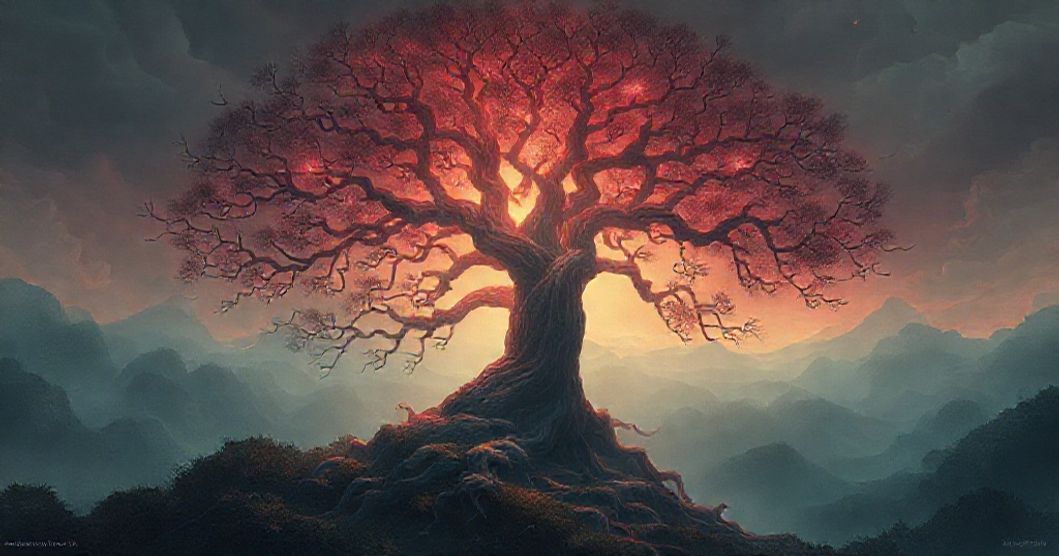
The dream’s imagery is densely symbolic, requiring careful unpacking to reveal its psychological architecture. The victims—middle-aged to elderly, wealthy, powerful men with “chubby” physiques—represent archetypal figures of authority and privilege. Their decapitation and impalement on “flesh rods” suggest a primal rejection of power structures, where the head (symbol of intellect, leadership, and ego) is severed, and the body is violated by organic, unnatural structures. The “fleshy eggs” and “tree-like growth” emerging from the victims’ bodies symbolize uncontrolled growth—perhaps repressed creativity, ambition, or desire that has metastasized into something destructive.
The monster woman herself is a complex symbol of the unconscious shadow—both terrifying and alluring. Her dinosaur-like jaw and wide, smiling mouth evoke primal fear, while her “light-blue light” emanating from “holes” suggests a hidden, perhaps sexualized, energy source. The transformation from corpse to monster hints at a process of corruption or evolution, while her disappearance into an ice cell (a container of cold, isolation, and frozen emotions) implies a containment of repressed aspects of the psyche.
Psychological Perspectives: Multiple Lenses on the Dream
From a Jungian perspective, this dream reflects the emergence of the shadow self—the repressed, darker aspects of the personality that demand integration. The monster woman embodies the dreamer’s shadow, a fusion of repressed anger, fear, and forbidden desire. The “fleshy tree” could represent the shadow’s attempt to “grow” or take root in the dreamer’s psyche, while the eggs symbolize new, potentially dangerous life emerging from the unconscious.
Freud might interpret the dream as a manifestation of repressed sexual fantasies and aggressive impulses. The “light-blue light” from the “holes” and the anus-protuberance could symbolize anal-erotic fixation or repressed sexual curiosity. The “missing heads” and “impalement” might represent阉割焦虑 (castration anxiety), a common Freudian theme of fear of losing power or control.
Neuroscientifically, dreams function as a processing mechanism for emotional memories and unresolved conflicts. The dream’s narrative structure—investigation, discovery, transformation—mirrors the brain’s attempt to make sense of complex information, integrating disparate elements into a coherent (albeit distorted) story.
Emotional & Life Context: Unpacking the Dream’s Personal Triggers
The dream’s focus on a forbidden crush—“a person I must NOT have sex with or it would destroy both our lives”—suggests internal conflict between attraction and self-preservation. The “powerful men” victims could represent the dreamer’s perception of authority figures, or perhaps the dreamer’s own desire for power. The empathy for the monster, despite her violence, hints at a conflict between moral judgment and unconscious attraction.
The “ice cell” where the monster vanishes may symbolize emotional coldness or a compartmentalized part of the psyche that cannot be accessed. The dream’s ambiguity—“I can’t really think of anything else”—reflects the dreamer’s struggle to reconcile conflicting emotions: the allure of forbidden connections and the terror of losing control.
Therapeutic Insights: Integrating the Unconscious Message
This dream invites the dreamer to explore their shadow self with compassion rather than fear. Journaling exercises could help identify specific triggers: What relationships or power dynamics feel threatening? What aspects of oneself feel “monstrous” or out of control?
Reflective questions might include: Where do I feel disempowered in my waking life? and What “growth” in my life feels destructive rather than creative? Keeping a dream journal to track recurring symbols (like trees, eggs, or missing heads) can reveal patterns over time.
Therapeutic integration involves recognizing that the monster is not inherently evil but a manifestation of unacknowledged parts of the self. The empathy the dreamer felt suggests a compassionate approach to shadow integration—embracing rather than fearing these darker aspects.
FAQ Section: Clarifying the Dream’s Meanings
Q: What does the “fleshy tree” symbolize?
A: The tree likely represents uncontrolled growth of repressed emotions or desires, taking root destructively in the dreamer’s psyche. It may signal a need to redirect creative energy into healthy channels.
Q: Why did the dreamer feel empathy for the monster?
A: Empathy suggests the monster embodies the dreamer’s own unexpressed needs or fears, creating a paradoxical connection between self and “other.” This invites self-compassion rather than judgment.
Q: How might the “missing heads” symbolize power dynamics?
A: Missing heads represent loss of control or identity, possibly reflecting the dreamer’s fear of losing autonomy in relationships or professional settings, or a desire to “decapitate” oppressive forces in life.