
Part 1: Dream Presentation
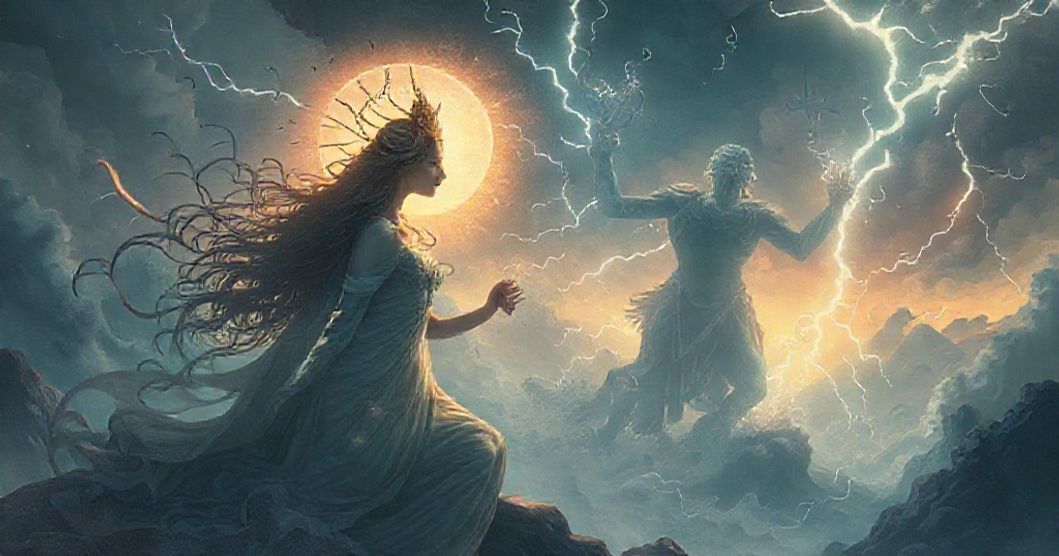
Dreams often serve as windows into our unconscious landscapes, revealing truths we might not readily access in waking life. This particular dream, vividly recalled after seven years, unfolds as a rich tapestry of archetypal imagery and emotional resonance. The dreamer finds themselves as a goddess—a figure of both power and grace—in a timeless, otherworldly realm. Their companion, Thor from the Marvel Cinematic Universe, embodies a familiar yet mythic masculine energy, and together they share a tender, romantic connection. A pivotal moment occurs when Thor sweeps the dreamer into his arms, evoking a sensation of pure bliss that lingers upon waking, leaving the dreamer emotionally transformed and haunted by the memory. This experience has led the dreamer to seek meaning in its persistence, wondering if it might offer prophetic insights or reveal connections to past or future lives.
Part 2: Clinical Analysis
Symbolic Landscape: The Goddess and the Thunder God
Want a More Personalized Interpretation?
Get your own AI-powered dream analysis tailored specifically to your dream
🔮Try Dream Analysis FreeThe dream’s core symbols carry profound psychological weight. The dreamer’s identity as a goddess reflects a deep-seated desire for self-empowerment and wholeness—archetypal representations of the feminine divine, which in Jungian psychology embodies the Anima, the unconscious feminine aspects of the male psyche and the Self’s integration of both masculine and feminine energies. Thor, as a figure from popular culture, merges mythic Norse symbolism (thunder, strength, protection) with modern cinematic interpretation. His presence introduces the archetype of the Hero or Protector, a figure who offers safety and emotional security. The act of being swept off one’s feet symbolizes surrender to love, vulnerability, and the recognition of emotional needs. The celestial landscape suggests a transcendent, spiritual dimension—the dreamer’s unconscious reaching for higher meaning or connection beyond ordinary waking reality.
Psychological Perspectives: Jungian, Freudian, and Modern Lenses
From a Jungian perspective, this dream may reflect the dreamer’s unconscious integration of masculine and feminine energies. Thor represents the Animus (the feminine’s internal masculine counterpart), while the goddess self embodies the Anima. Their union speaks to the Self’s striving for wholeness, where opposites reconcile. Freud might interpret the dream as wish-fulfillment: the dreamer’s desire for romantic connection, power, or recognition, with Thor as a projection of idealized masculine qualities. Cognitively, the dream could process recent emotional experiences or unmet needs, with the vivid details and emotional intensity indicating significant memory consolidation. Neuroscientifically, dreams serve as emotional regulation mechanisms, and this dream’s lasting impact suggests it processed a deep-seated emotional theme or unresolved longing.
Emotional & Life Context: Unpacking the Layers of Longing
The dream’s persistence over seven years hints at an unprocessed emotional state. The dreamer’s reference to “future lives planning” suggests existential reflection—questions about purpose, identity, or the nature of time. The emotional resonance of the dream (pure bliss, swooning) implies a longing for deep connection, power, or meaning that may not be fully satisfied in waking life. The inclusion of a popular cultural figure (Thor) may reflect current interests, media consumption, or a desire for the qualities he represents (strength, loyalty, heroism). The dream could be a response to relationship challenges, career uncertainty, or a general search for meaning, using mythic imagery to externalize internal struggles.
Therapeutic Insights: Dream as a Catalyst for Self-Exploration
This dream invites the dreamer to explore their emotional landscape rather than literal prophecy. Reflective practices could include journaling about the dream’s emotional core—what sensations or themes arise when recalling it? Exploring waking life connections to the symbols: Do they feel drawn to certain qualities in relationships? What does “goddess” energy represent in their life now? The dream’s intensity suggests an area of personal growth needing attention—perhaps courage to embrace vulnerability, claim personal power, or seek deeper connections. Integration strategies might involve mindfulness practices to discern between unconscious needs and literal predictions, fostering self-awareness rather than certainty about future events.
FAQ Section
Q: Is it reasonable to interpret this dream as prophetic?
A: Dreams rarely predict literal future events. Instead, they often reflect emotional states, unmet needs, or archetypal patterns. The dream’s persistence likely stems from unresolved themes rather than future foresight.
Q: What does dreaming of Thor symbolize?
A: Thor represents idealized masculine qualities (strength, protection) or the dreamer’s Animus archetype. His presence may indicate a need for security, courage, or romantic connection.
Q: How can I tell if a dream reflects my past lives versus current emotions?
A: Past-life interpretations often stem from Jungian synchronicity and archetypal resonance. Focus on current emotional triggers and themes in waking life to distinguish between unconscious projections and literal predictions.