
Part 1: Dream Presentation
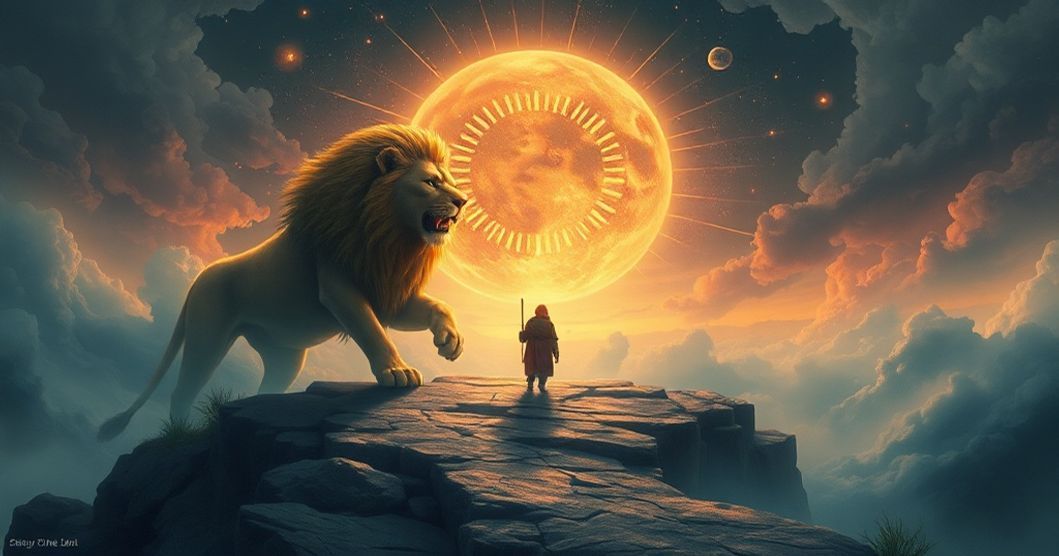
Dreams often manifest as vivid landscapes where our deepest anxieties and yearnings materialize in unexpected forms. In this particular nocturnal journey, the dreamer found themselves navigating a surreal intersection of nature’s primal power and human vulnerability. The scene unfolds in a familiar convenience store—an ordinary space of daily transactions and comfort—where the mundane is abruptly invaded by a pride of lions. As the dreamer steps outside, they encounter over a hundred male lions, their golden manes and powerful forms dominating the road. This initial encounter triggers a primal fear, prompting a desperate attempt to lock the door, as if seeking control over an overwhelming force. The lions move with silent purpose, ignoring both the dreamer’s pleas and the onlookers’ stares, suggesting an indifference to human concerns—a powerful symbol of forces beyond conscious control.
Inside the store, the dreamer discovers additional lions: a calm male and female in the corner, and a group attempting to 'humanize' a third lion. The people in the back, who reveal they were once lions with curly hair and lion-like noses, embody transformation and identity shifts. When the lions vanish, the dreamer seeks safety in the cashier’s company, only to be rejected, forcing them to face the journey alone. Finally, four hyenas appear, chasing the dreamer back to the store—a final test of courage before they resolve to walk home, heart still racing.
Part 2: Clinical Analysis
Want a More Personalized Interpretation?
Get your own AI-powered dream analysis tailored specifically to your dream
🔮Try Dream Analysis FreeSymbolic Landscape: Lions as Archetypal Forces
The lions in this dream represent a constellation of powerful archetypal forces. In Jungian psychology, lions embody the 'king of beasts' archetype, symbolizing leadership, courage, and the untamed masculine energy within both genders (the 'animus' in Jungian terms). Their large numbers (over 100) suggest an overwhelming presence of this energy, potentially representing repressed aspects of the self that demand attention. The convenience store, a space of order and accessibility, becomes a site where the unconscious (lions) breaches the boundaries of conscious control. The lions’ indifference to the human world reflects the dreamer’s feelings of powerlessness against internal or external forces they cannot fully understand.
The 'humanizing' of the lion introduces another layer of symbolism: the tension between nature and civilization. Lions, as wild animals, stand in contrast to human constructs of order and domestication. The people who 'used to be lions' with curly hair and lion-like noses suggest a process of integration—perhaps the dreamer’s shadow self (repressed traits) or an aspect of identity that feels both wild and human. This transformation hints at the dreamer’s potential for change, even as they grapple with accepting their own untamed qualities.
Psychological Undercurrents: From Jung to Cognitive Theory
From a Jungian perspective, the lions represent the 'shadow'—the parts of ourselves we disown or fear. The act of locking the door reflects an attempt to contain this shadow, to impose order on chaos. The cashier’s refusal to walk home symbolizes the dreamer’s need to face challenges alone, a common theme in dreams where external help is unavailable. In Freudian terms, the lions might represent repressed aggressive instincts or unacknowledged power dynamics in waking life. The hyenas, as scavengers, could symbolize unresolved conflicts or 'shadow' elements that resist integration, appearing as the final test after the dreamer has attempted to manage the initial threat.
Cognitive dream theory offers another lens: dreams as problem-solving mechanisms. The dreamer may be processing a real-life situation involving powerful, unexpected forces (lions) that they feel unable to control. The 'humanizing' of the lion could represent an attempt to resolve a conflict between one’s natural instincts and societal expectations—a recurring theme in dreams during periods of transition or self-discovery.
Emotional & Life Context: Fear, Control, and Transformation
The dream likely emerges from the dreamer’s encounter with significant life changes or internal conflicts. The convenience store, a familiar space, suggests a need for safety and predictability in an uncertain environment. The lions, as symbols of primal power, may reflect the dreamer’s anxiety about facing powerful challenges in waking life—perhaps career pressures, relationship tensions, or fears of inadequacy. The act of locking the door and the cashier’s refusal to help both highlight issues of control and boundaries: the dreamer seeks security in external validation (the cashier’s help) but must ultimately rely on their own resources.
The group attempting to 'humanize' the lion hints at a deeper conflict: the tension between trying to force transformation (humanizing a wild animal) and accepting natural evolution. The people who were once lions suggest the dreamer is processing a period of self-discovery, where old identities are shed and new ones emerge. The curly hair and lion-like noses might symbolize specific traits the dreamer identifies with—curly hair could represent flexibility or creativity, while the lion-like nose signifies primal strength.
Therapeutic Insights: Embracing the Wild Within
This dream offers valuable insights for self-awareness and growth. First, the lions serve as a reminder to observe and honor powerful inner forces rather than suppressing them. The dreamer’s initial reaction (running back to lock the door) reflects a common human response to fear: attempting to control the uncontrollable. However, the lions’ eventual departure suggests that these forces can be managed without force—by acknowledging their presence and moving forward with awareness.
The 'humanizing' of the lion invites reflection on the dreamer’s relationship with societal expectations versus authentic self-expression. The people who were once lions demonstrate that transformation is possible, even when identities feel deeply rooted in one’s nature. The hyenas, as the final challenge, encourage the dreamer to confront fears directly rather than avoiding them. Facing these predators alone, then walking home, symbolizes resilience and the ability to navigate life’s uncertainties.
FAQ Section
Q: What do the lions symbolize in the dream?
A: Lions represent primal power, courage, and repressed aspects of the self (Jungian 'king of beasts' archetype). Their large numbers and indifference suggest overwhelming forces the dreamer struggles to control.
Q: Why did the cashier refuse to walk the dreamer home?
A: This could reflect the dreamer’s experience of feeling rejected or unsupported in waking life, or a subconscious recognition that some challenges must be faced independently.
Q: What is the significance of the hyenas at the end?
A: Hyenas symbolize unresolved conflicts or 'shadow' elements. Their appearance after the lions suggest deeper challenges the dreamer must address, representing fears that persist despite initial attempts to manage them.