
Part 1: Dream Presentation
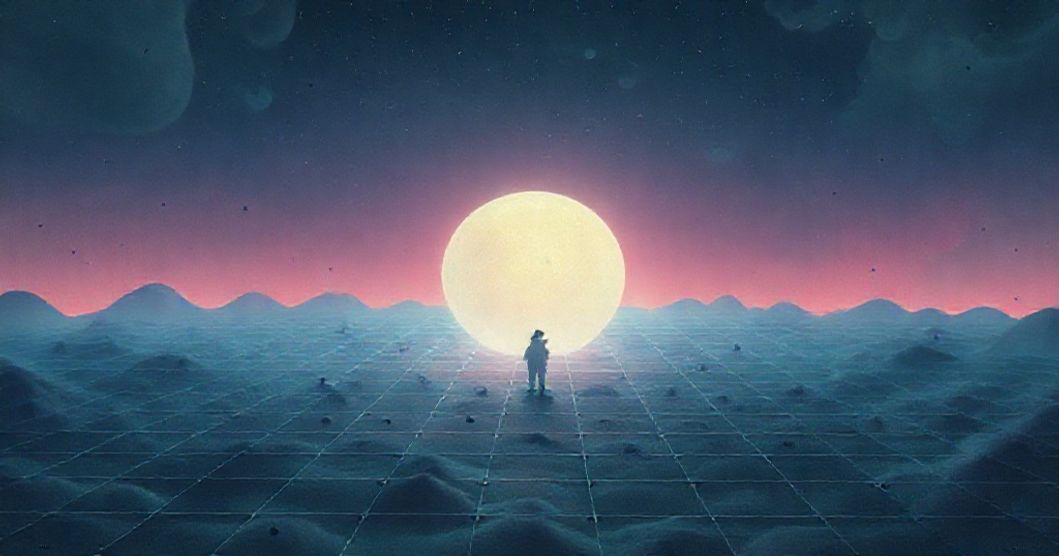
Childhood memories often blur into indistinct shapes, but some dreams remain etched in our psyche like permanent scars. For an entire year of my early childhood, I endured a recurring night terror that felt more like a living nightmare than a fleeting sleep experience. In the dream, I found myself trapped within a labyrinth of grid-like structures—tall buildings that rose in perfect, geometric blocks, their walls forming a maze of streets and alleys. I wandered endlessly among these towering blocks, growing increasingly desperate, until a massive ball—like nothing I’d ever seen in reality—appeared, its size expanding with each passing moment. It grew larger than any structure around it, its surface glinting with an ominous sheen, and then, without warning, it began to roll toward me. I’d try to run, but the ground felt sticky beneath my feet, and the buildings seemed to close in around me. The ball would crash through walls with a deafening roar, its momentum unstoppable, and I’d wake up screaming, my body drenched in sweat, my chest tight with terror. My parents told me these episodes occurred once a month for years, each time leaving me visibly shaken and disoriented. The dream felt so real, so visceral, that for weeks afterward, I’d glance at shadows on the walls and flinch, convinced the ball might materialize again.
Part 2: Clinical Analysis
Symbolic Landscape: The Grid, the Ball, and the Walls
Want a More Personalized Interpretation?
Get your own AI-powered dream analysis tailored specifically to your dream
🔮Try Dream Analysis FreeThe recurring dream’s core elements—the grid-like cityscape, the expanding ball, and the crumbling walls—contain rich symbolic meaning. The grid itself represents order and structure, yet its rigidity becomes oppressive, creating a sense of being trapped in a controlled environment that offers no escape. This pattern mirrors the developmental experience of childhood, where external boundaries (family, school, social norms) initially provide security but can later feel confining. The buildings, too, function as protective barriers that simultaneously trap and threaten to collapse under pressure.
The ball, growing larger with each passing moment, embodies an escalating sense of dread or anxiety. In dream symbolism, objects that expand often represent emotions or pressures that feel increasingly overwhelming—fear, uncertainty, or a sense of loss of control. The ball’s movement toward the dreamer suggests an unavoidable confrontation with these internal pressures, while its eventual destruction of walls symbolizes the breaking of boundaries, both literal and psychological.
Psychological Undercurrents: The Science of Night Terrors
From a psychological perspective, this recurring nightmare falls within the realm of sleep terrors (pavor nocturnus), distinct from typical nightmares by their occurrence during non-REM sleep (typically in the first third of the night) and the absence of detailed dream recall upon waking. These episodes often affect children aged 4-12 and can stem from several factors: sleep disruption, fever, or heightened anxiety. In this case, the dream’s consistency suggests a deep-seated emotional response that persisted over time.
Freudian theory might interpret the dream as a manifestation of repressed childhood anxieties—perhaps fears of abandonment, loss of control, or the overwhelming nature of growing up. Jungian psychology, meanwhile, could view the grid as a collective unconscious symbol of order versus chaos, while the ball represents the individuation process, where psychological pressures (like the dream’s escalating ball) demand integration. From a neuroscience perspective, recurring dreams often reflect unresolved emotional conflicts that the brain attempts to process during sleep, with the repetitive nature indicating that these conflicts remain unaddressed.
Emotional & Life Context: Childhood Development and Unresolved Fears
The frequency of these nightmares (once a month) aligns with typical childhood sleep patterns and developmental milestones. Around the age of 4-6, children often experience increased anxiety about separation, fear of the dark, or concerns about safety—all of which can manifest in recurring dreams. The grid-like cityscape might reflect a child’s emerging awareness of urban environments and social structures, while the inability to find