
Part 1: Dream Presentation
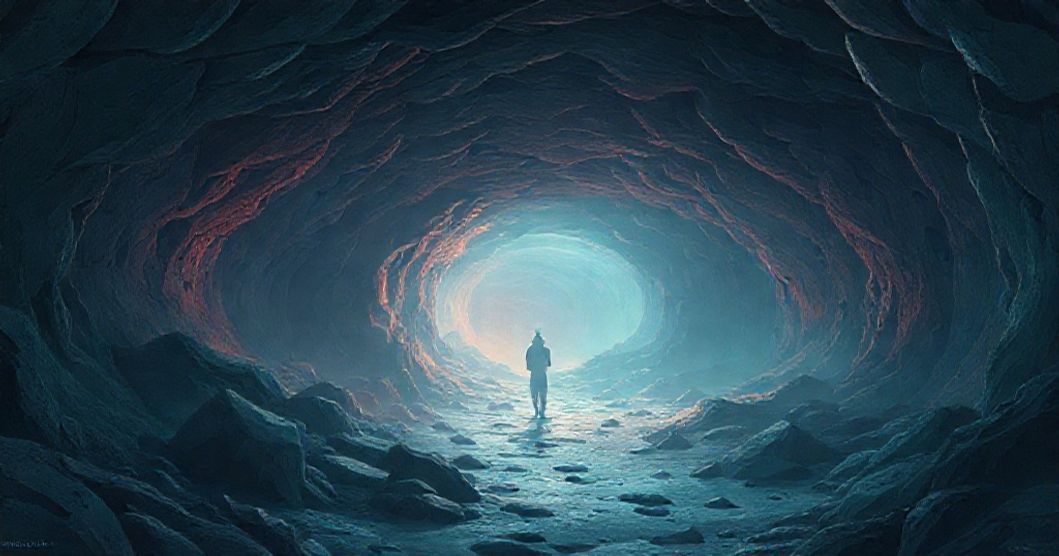
Dreams have an uncanny ability to translate the most intimate aspects of our inner lives into symbolic landscapes that often feel both foreign and deeply personal. In this particular dream, the dreamer steps into a starkly unfamiliar realm beneath the earth’s surface—a world constructed of concrete and shadow where memory itself becomes a contested terrain. The dream begins with a group of people being sent underground, their memories of the world above systematically erased, leaving them with only the barren reality of their new environment. The dreamer, however, remains an exception: they alone carry the memories of sunlight, open skies, and the world they’ve forgotten. This central paradox—being the sole ‘rememberer’ in a world of amnesiacs—immediately introduces themes of isolation, truth-telling, and the tension between individual experience and collective narrative.
The underground world itself is described as organized like ant colonies, with interconnected concrete structures that evoke the feeling of a sprawling parking garage. This architectural metaphor is particularly significant: parking garages, with their repetitive, functional design and lack of natural light, symbolize systems that prioritize efficiency over meaning, order over authenticity. The ant-colony structure reinforces the idea of collective existence without individual agency, where each person moves through the world as part of a larger, impersonal system. The dreamer’s frustration at being dismissed—‘they all thought I was crazy’—highlights the emotional core of the dream: the pain of holding onto a truth that no one else can or will acknowledge.
Part 2: Clinical Analysis
Want a More Personalized Interpretation?
Get your own AI-powered dream analysis tailored specifically to your dream
🔮Try Dream Analysis FreeSymbolic Landscape: The Underground World and Memory Wiping
The underground world serves as a powerful symbol of the unconscious mind—a realm where repressed memories and unacknowledged truths take physical form. In Jungian psychology, the unconscious is often visualized as a deep, mysterious landscape, and here the dream literalizes this concept by making the unconscious a physical place beneath the surface. The memory wiping experienced by the other characters represents a process of repression: the collective attempt to suppress certain aspects of identity, experience, or truth. This collective amnesia suggests a broader theme of societal or personal amnesia, where groups or individuals collectively forget parts of their history, perhaps to maintain a sense of order or avoid confronting uncomfortable realities.
The dreamer’s role as the sole ‘rememberer’ is equally significant. In psychological terms, this figure can be seen as the ‘shadow self’ or the ‘anima/animus’—the parts of the psyche that hold onto experiences the conscious mind has deemed too painful or too unfamiliar to integrate. The dreamer’s struggle to communicate with others who have lost these memories mirrors the eternal human conflict between the individual’s need to express and the collective’s need to deny or ignore. The concrete architecture of the underground world further underscores this theme: concrete is both rigid and unyielding, representing the hardening of beliefs or the inability to adapt to new perspectives.
Psychological Perspectives: Jungian, Freudian, and Cognitive Frameworks
From a Freudian perspective, the dream can be interpreted through the lens of repression. The memory wiping serves as a direct metaphor for the unconscious mind’s attempt to push unwanted or traumatic memories out of awareness. The dreamer’s role as the ‘rememberer’ might represent the ego’s attempt to reclaim these repressed memories, even when the id or superego resists integration. The act of trying to tell others about the above-ground world could symbolize the ego’s desire to externalize and communicate these repressed truths, only to face resistance from the unconscious itself (represented by the skeptical others).
Jungian analysis offers a complementary perspective, focusing on the collective unconscious and archetypal patterns. The ‘underground world’ might correspond to the shadow archetype—the repressed aspects of the collective psyche that society has deemed unacceptable. The dreamer, as the sole rememberer, could represent the ‘wise fool’ archetype, someone who carries insights the collective has lost. The ant-colony structure aligns with Jung’s concept of the ‘shadow collective’—the parts of our identity that exist outside conscious awareness and often manifest as impersonal, mechanical systems.
Cognitive psychology provides another layer of interpretation, viewing dreams as a natural byproduct of memory consolidation and emotional processing. The dreamer’s retention of memories while others have none could reflect a neurobiological phenomenon where certain emotional memories are encoded more deeply, even if the conscious mind tries to suppress them. The feeling of frustration and isolation in the dream might stem from the cognitive dissonance of holding contradictory beliefs: knowing something is true while others insist it is not, a common experience in the context of trauma or identity formation.
Emotional and Life Context: Unheard Truths and Isolation
To understand this dream, we must consider the emotional and life circumstances that might have triggered it. The dreamer’s experience of being the sole ‘rememberer’ often reflects real-life feelings of isolation, whether from a specific relationship, social group, or professional context. It may emerge during periods of significant change or transition, when the dreamer is questioning their own sense of self or struggling to communicate a newfound truth about themselves or their world. The memory wiping could symbolize the loss of a sense of self that has occurred in the face of societal pressures, groupthink, or trauma.
The concrete, ant-colony world might also reflect feelings of being trapped in a rigid system—perhaps a corporate environment, a social circle, or a relationship that prioritizes structure over authenticity. The dreamer’s inability to make others believe in the ‘above-ground world’ mirrors the experience of having a different perspective, identity, or truth that others dismiss as unrealistic or ‘crazy.’ This dynamic is particularly common in creative fields, where individuals must defend their unique vision against skepticism, or in relationships where one partner has a different understanding of reality than the other.
Therapeutic Insights: Honoring the Rememberer Within
This dream offers several therapeutic insights for the dreamer. First, it urges them to recognize their own value as a ‘rememberer’—someone who retains unique experiences and truths that may be dismissed by others. This is a call to honor one’s own perspective, even when it feels isolated. The dreamer might benefit from reflecting on areas of their life where they feel unheard or misunderstood, and whether those feelings stem from real differences in perspective or from their own tendency to doubt their own truth.
A practical reflection exercise could involve journaling about moments in waking life where they’ve felt like the ‘only one who remembers’—the times they’ve noticed something others seem to have forgotten or dismissed. By writing these experiences down, the dreamer can begin to recognize patterns of isolation and unheard truth, transforming them into opportunities for self-validation.
For integration, the dream suggests the importance of creating space for both collective and individual truth. In relationships or communities, the dreamer might need to practice active listening and empathy, acknowledging that others may have different perspectives without invalidating their own. Similarly, in professional settings, they can learn to communicate their unique insights with patience and clarity, rather than expecting immediate belief.
FAQ Section
Q: Why might someone dream of being the only one with memories in an underground world?
A: This often reflects feelings of isolation with unique perspectives or experiences, particularly during periods of self-discovery or transition where one’s values or truths conflict with others.
Q: What does the concrete, ant-colony underground world symbolize?
A: It represents rigid systems that prioritize order over authenticity, collective amnesia, or feeling trapped in a dehumanizing, impersonal environment.
Q: How can this dream help with personal growth?
A: It encourages self-validation, teaches patience in communication, and highlights the importance of honoring both collective and individual truth, fostering resilience against isolation.